Chitwan Jungle Safari 3 Days: Wildlife, Rivers, and Tharu Culture
If you want to see Nepal beyond the mountains, a Chitwan Jungle Safari is the trip to book. Chitwan National Park covers roughly 2,600 square kilometers of forest and grassland […]
Duration: 3 Days
Best Time:
Trip Grade: easy
Start from Kathmandu and End to Kathmandu
Min 2 to Max 14 Pax in a group
Meals: Breakfast, Launch & Dinner
Accommodation: Tea House
If you want to see Nepal beyond the mountains, a Chitwan Jungle Safari is the trip to book. Chitwan National Park covers roughly 2,600 square kilometers of forest and grassland in the country’s lowlands, and it’s home to something in the range of 800 rhinos, along with tigers, deer, gharial crocodiles, and hundreds of bird species. This 3-day itinerary from Himalayan Guide Treks takes you straight into that landscape, with a jeep safari, a canoe ride, a village visit, and two nights at a resort near the park.
Chitwan became Nepal’s first national park back in 1973, and UNESCO added it to the World Heritage list in 1984. It holds that status for good reason: researchers have documented over 700 wildlife species here, including at least 43 mammal species and around 543 bird species, plus butterflies, moths, and insects that haven’t all been catalogued yet.
Rated 99% by travelers on TripAdvisor, based on 3,444 reviews.
Why Choose This Chitwan National Park Tour
Jeep-based wildlife viewing inside Chitwan National Park, with no animal-carrying or riding involved.
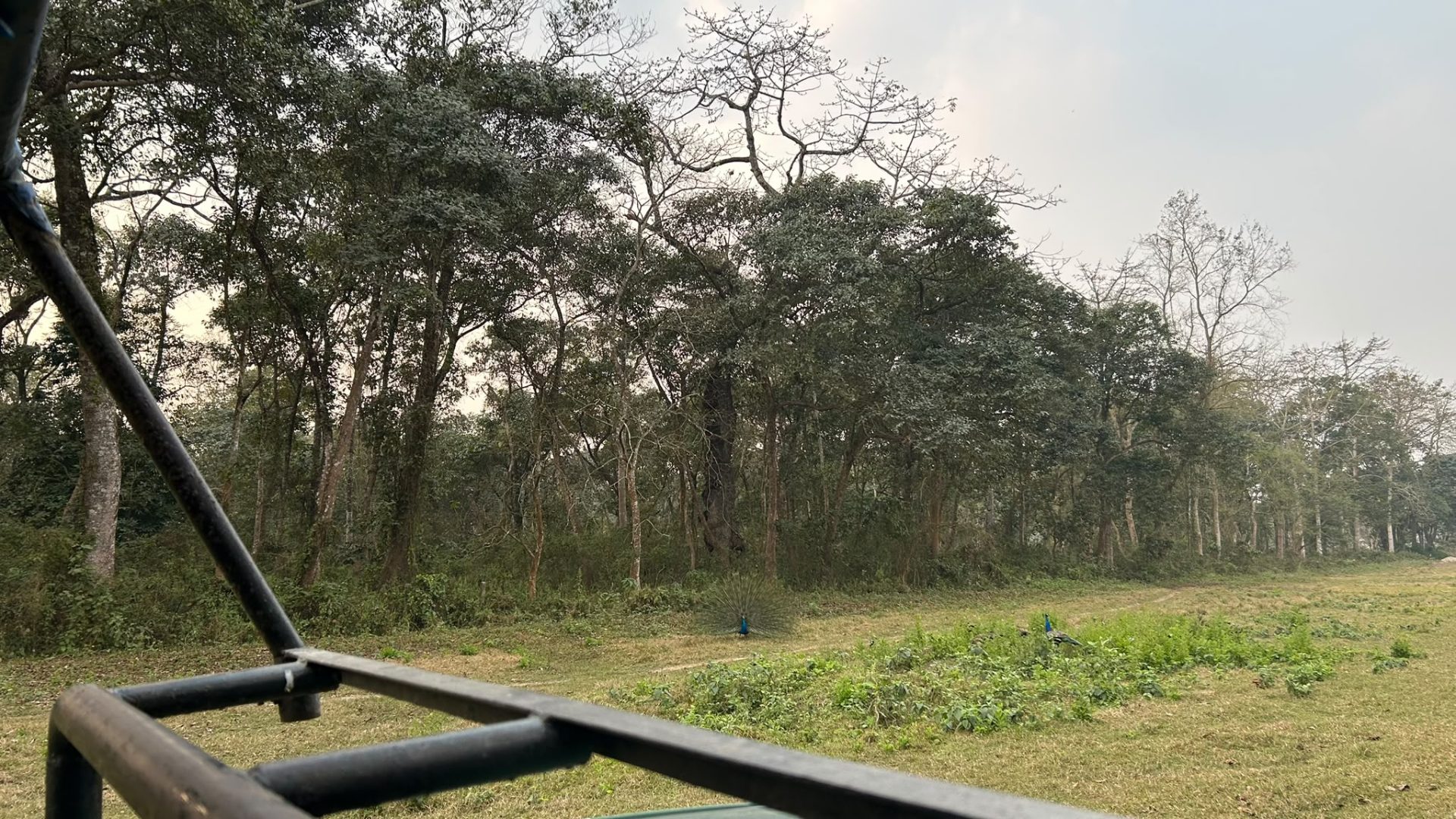
Birdwatching for species like the Great Egret, Asian Openbill, and peacock, among Chitwan’s roughly 543 recorded bird species.
A Tharu village tour, giving you a look at the culture of the indigenous community that has lived in this region for generations.
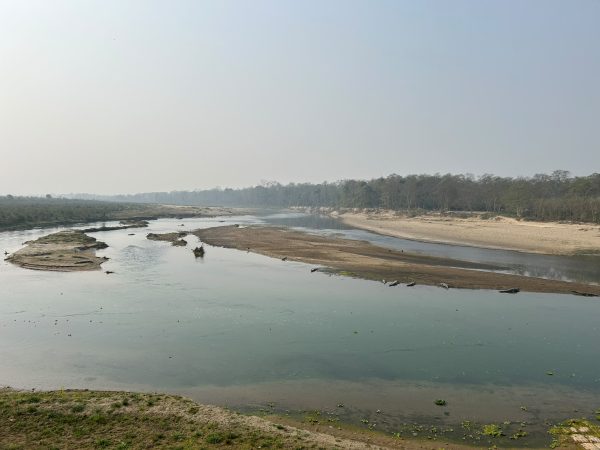
A canoe ride along the river, where crocodile sightings are common.
All meals, permits, and licensed English-speaking guiding included in the package price.
Best Time for a Jungle Safari in Chitwan
The recommended window runs from January through June and September through December. Chitwan sits in the Himalayas’ central climatic belt, and the monsoon typically arrives in mid-June and tapers off by late September. That 14-to-15-week stretch brings most of the region’s roughly 2,500 mm of annual rainfall, so it’s not the ideal time for jungle walks or jeep drives.
Sauraha, the town on the edge of the park, is the usual base for travelers. It sits within reach of Bharatpur Airport and has enough hotels, lodges, restaurants, and tour operators to make logistics simple.
3-Day Chitwan Itinerary Overview
Day 1: Kathmandu to Chitwan National Park (415 m) Private tourist vehicle, 5–6 hours drive.
Day 2: Jungle Safari and Wildlife Activities Full day of park activities, overnight at the resort.
Day 3: Morning Activities, Return to Kathmandu (1,400 m) Same-day drive back, 5–6 hours.
Flight Alternative
Instead of the road transfer, you can fly to Bharatpur, Chitwan from either Kathmandu or Pokhara for an extra USD 130. That fee covers the flight and a 30–45 minute transfer to the resort, and it saves you the long drive each way.
Detailed Day-by-Day Itinerary
Day 1: Drive from Kathmandu to Chitwan National Park
The trip starts with a private vehicle ride from Kathmandu, passing through hill scenery and river valleys along the way. The drive takes about six hours. Once you reach the resort, a Guest Relations Officer will brief you on the schedule ahead.
After lunch, you’ll head out on a village tour of the local Tharu community. Dinner will be ready back at the resort once you return.
Max altitude: Chitwan (415 m)
Duration: 5–6 hrs drive
Overnight: Resort
Meals: Breakfast, Lunch, Dinner
Day 2: Jeep Safari, Canoe Ride, and Tharu Cultural Program
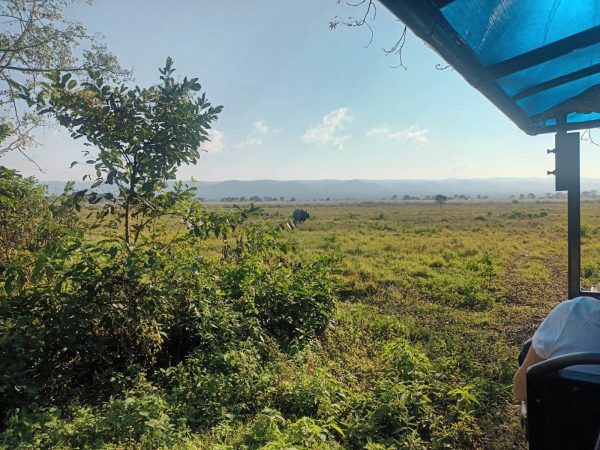
Morning starts with breakfast, followed by a jeep safari through the park — one of the better ways to spot wildlife up close. Himalayan Guide Treks uses jeeps exclusively for this activity and does not use animals to carry gear or passengers.
After lunch, you’ll take a canoe ride on the river, watching for crocodiles along the banks. In the late afternoon, a Tharu cultural program rounds out the day before dinner.
Overnight: Resort
Meals: Breakfast, Lunch, Dinner
Day 3: Bird Watching and Return to Kathmandu
This last day starts early with a bird-watching walk — Chitwan’s bird diversity is one of its biggest draws for visitors who enjoy that kind of spotting. Afterward, you’ll return to the resort for breakfast and then set off for Kathmandu by tourist vehicle. A representative will handle the logistics for the return trip.
Max altitude: Kathmandu (1,400 m)
Duration: 5–6 hrs drive
Meals: Breakfast
Group and Private Trip Options
Group departures are capped at 14 people, which keeps things personal — you’ll actually get to know your fellow travelers rather than moving with a crowd. This setup works well for independent travelers, friends, and families who want a bit more depth in the experience. You can pick a date from the calendar to book your spot, or arrange a private trip if you’d rather travel on your own schedule.
Packing List for Chitwan
General Gear
Rucksack, duffel bag, or suitcase for your clothes
Daypack (20–30 liters), with a rain cover if traveling May through October
Warm wool or synthetic hat covering the ears (December–February)
Waterproof or dry bags for documents, cash, and electronics
A copy of your airline ticket left at our Kathmandu office in case of date changes
Optional
Power bank or extra batteries
Camera or phone
Binoculars
Playing cards or a book
Itinerary
If you want tailor-made trip or want to personalize this itinerary, just feel free to contact us. We are always there to help you to make your holiday plan. Contact us
Inclusions
What's included
Twin-sharing or double accommodation at a four-star resort in Chitwan for 2 nights
Breakfast, lunch, and dinner, along with jungle activities inside the national park
All ground transportation by private tourist vehicle
Guided tours and activities inside Chitwan National Park
A licensed, English-speaking guide from Himalayan Guide Treks
Entry permits and fees for temples, parks, monasteries, and other cultural or historical sites
Necessary ground staff, including drivers and helpers
Administrative expenses and government taxes
What's not included
Travel insurance
Accommodation and meals in Kathmandu after returning from Chitwan
Bottled or boiled water and other beverages
Tips for your guide and driver (tipping is customary and expected)
Any costs not listed under “What’s Included”
Frequently Asked Questions
How many days do I need for a Chitwan Jungle Safari?
Three days is enough to cover a jeep safari, a canoe ride, a village tour, and bird watching, with two nights at a resort near the park.
What animals can I see in Chitwan National Park?
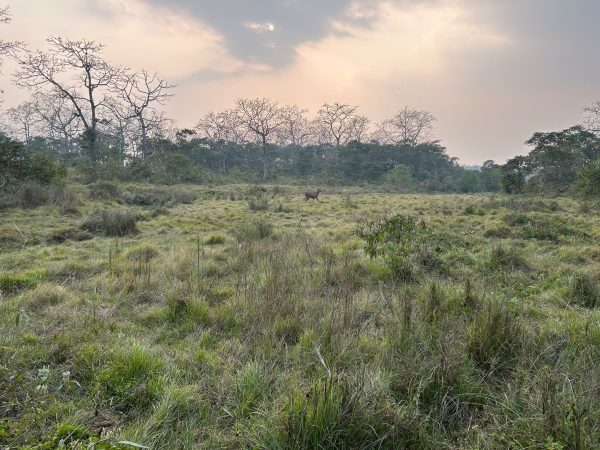
Chitwan is known for its rhino population — around 800 by recent estimates — along with deer, gharial crocodiles, and over 500 recorded bird species. Tiger sightings happen but aren’t guaranteed on any given trip.
Is Chitwan National Park safe for jeep safaris?
Yes. Safaris run with licensed guides, and jeeps are used instead of animals for transport, which keeps the experience safer for both visitors and wildlife.
Can I fly to Chitwan instead of driving?
Yes. You can fly to Bharatpur from Kathmandu or Pokhara for an added cost of about USD 130, which includes the flight and transfer to the resort.
What is the best time of year for a jungle safari in Chitwan?
January through June and September through December are the recommended months. The monsoon season, roughly mid-June to late September, brings heavy rainfall and isn’t ideal for safari activities.
Are meals included in the Chitwan Jungle Safari package?
Yes. Breakfast, lunch, and dinner are included for both nights in Chitwan, along with jungle activities. Breakfast is included on the final day before departure.
Do I need travel insurance for this trip?
Travel insurance isn’t included in the package price, so you’ll need to arrange your own before the trip.
How far is Chitwan from Kathmandu?
The drive takes about 5 to 6 hours by private tourist vehicle. A short flight to Bharatpur Airport is also available as a faster alternative.