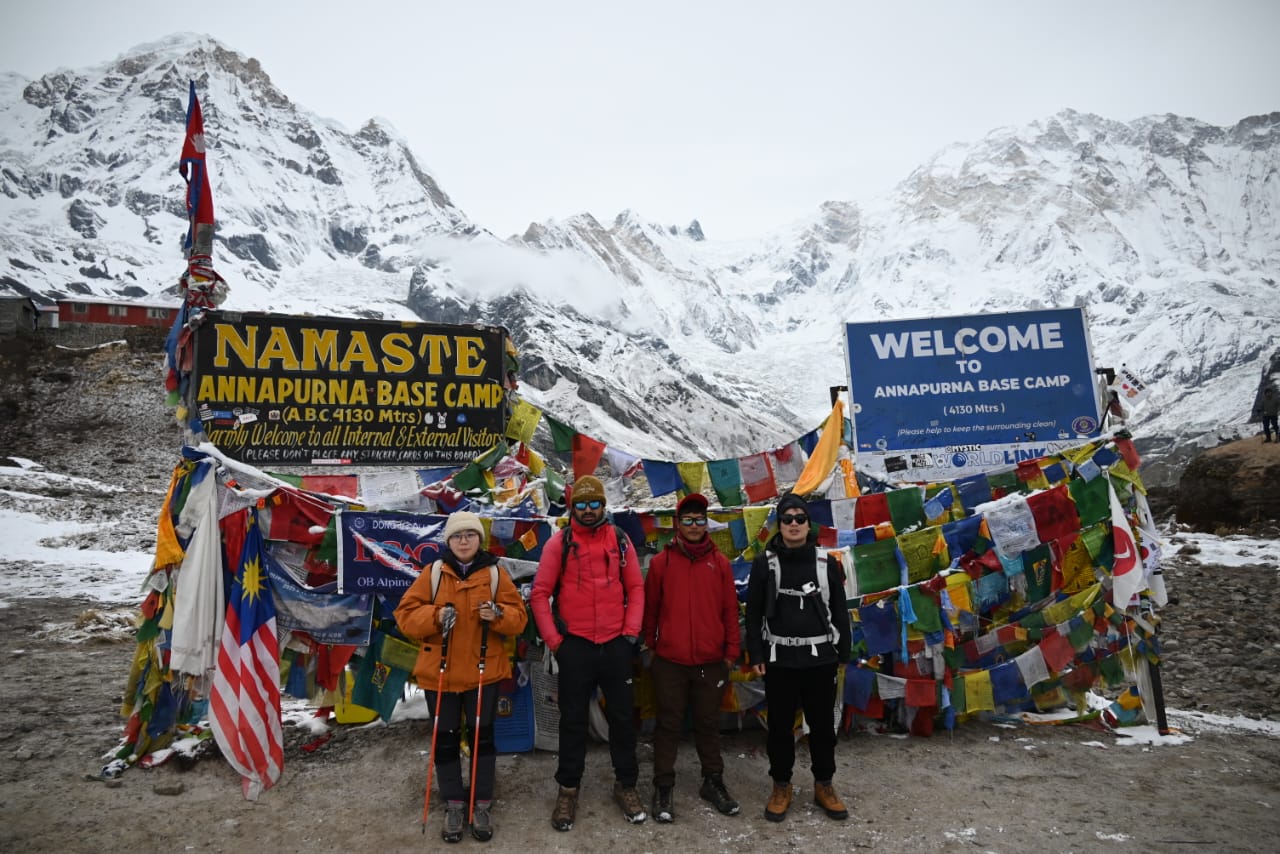
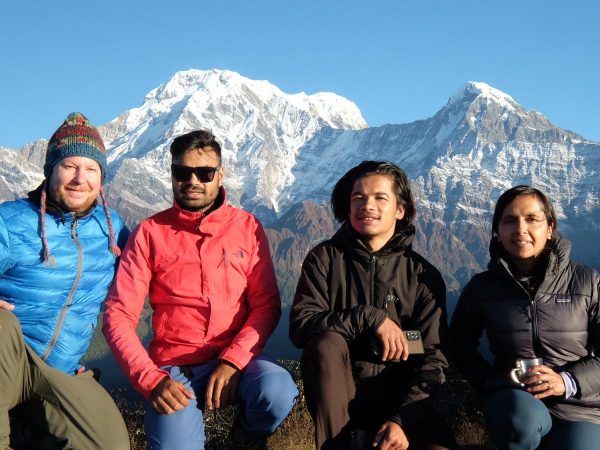
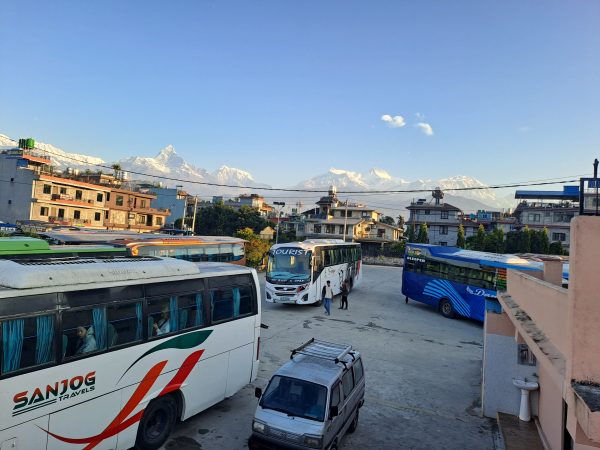
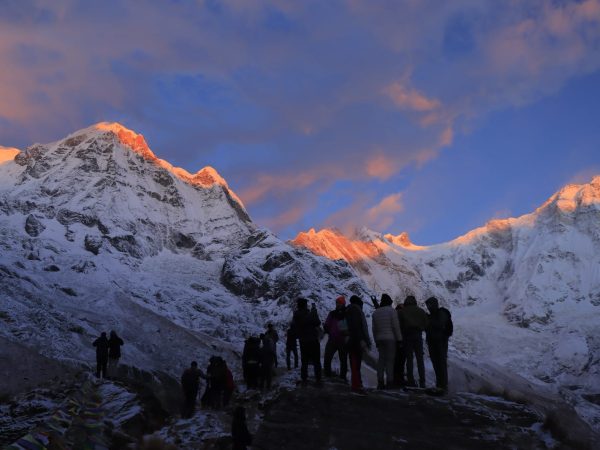
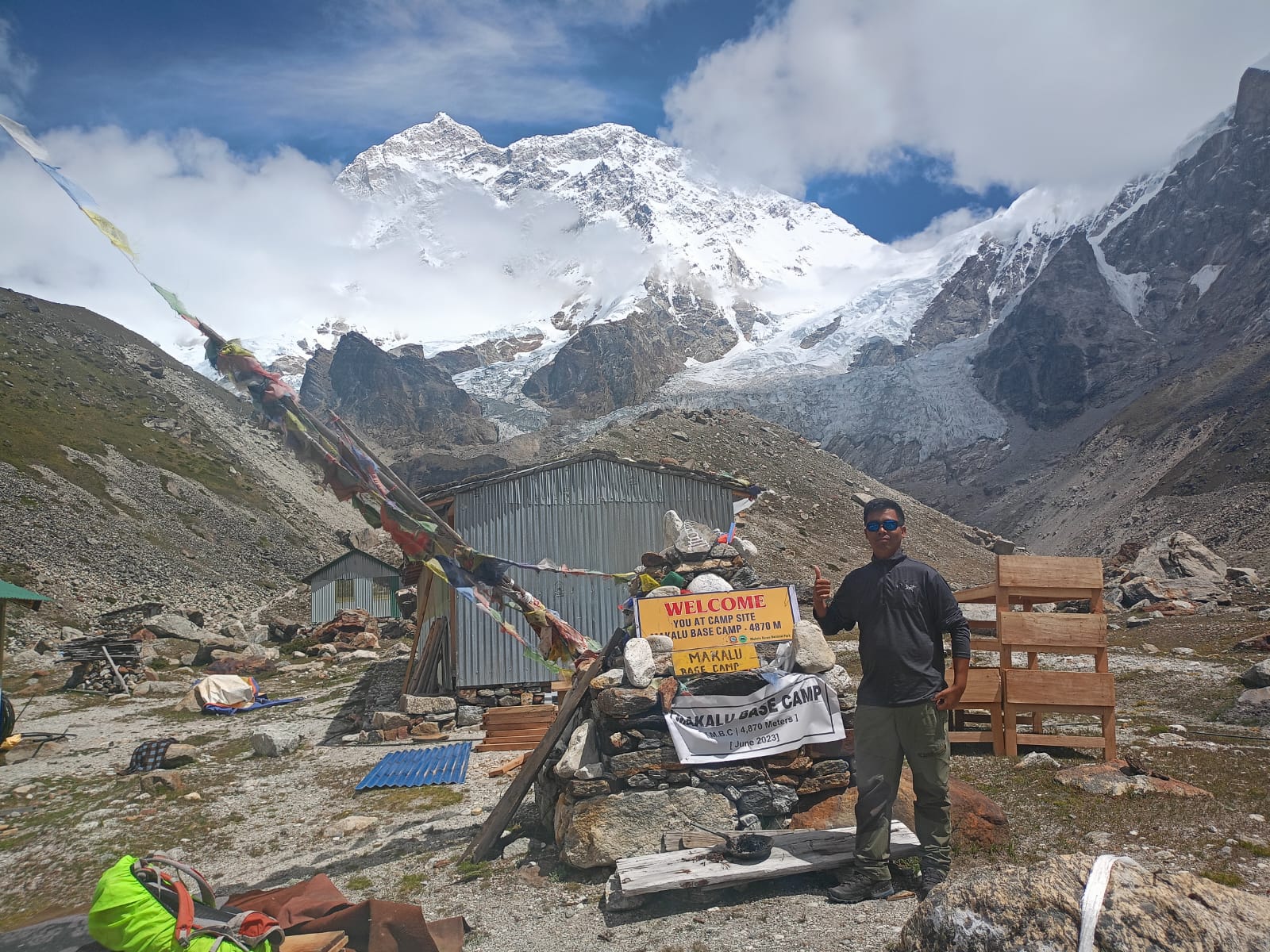
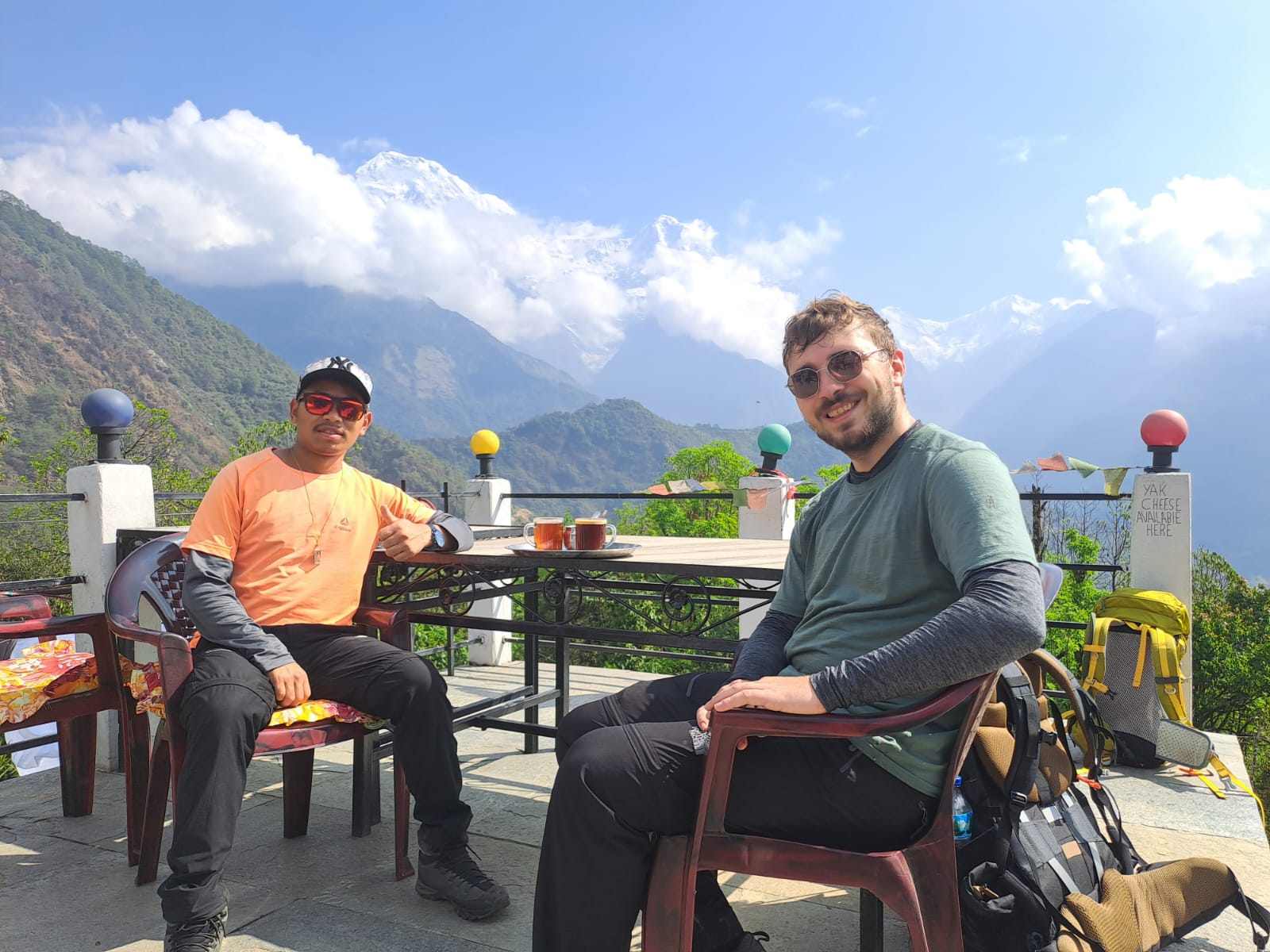
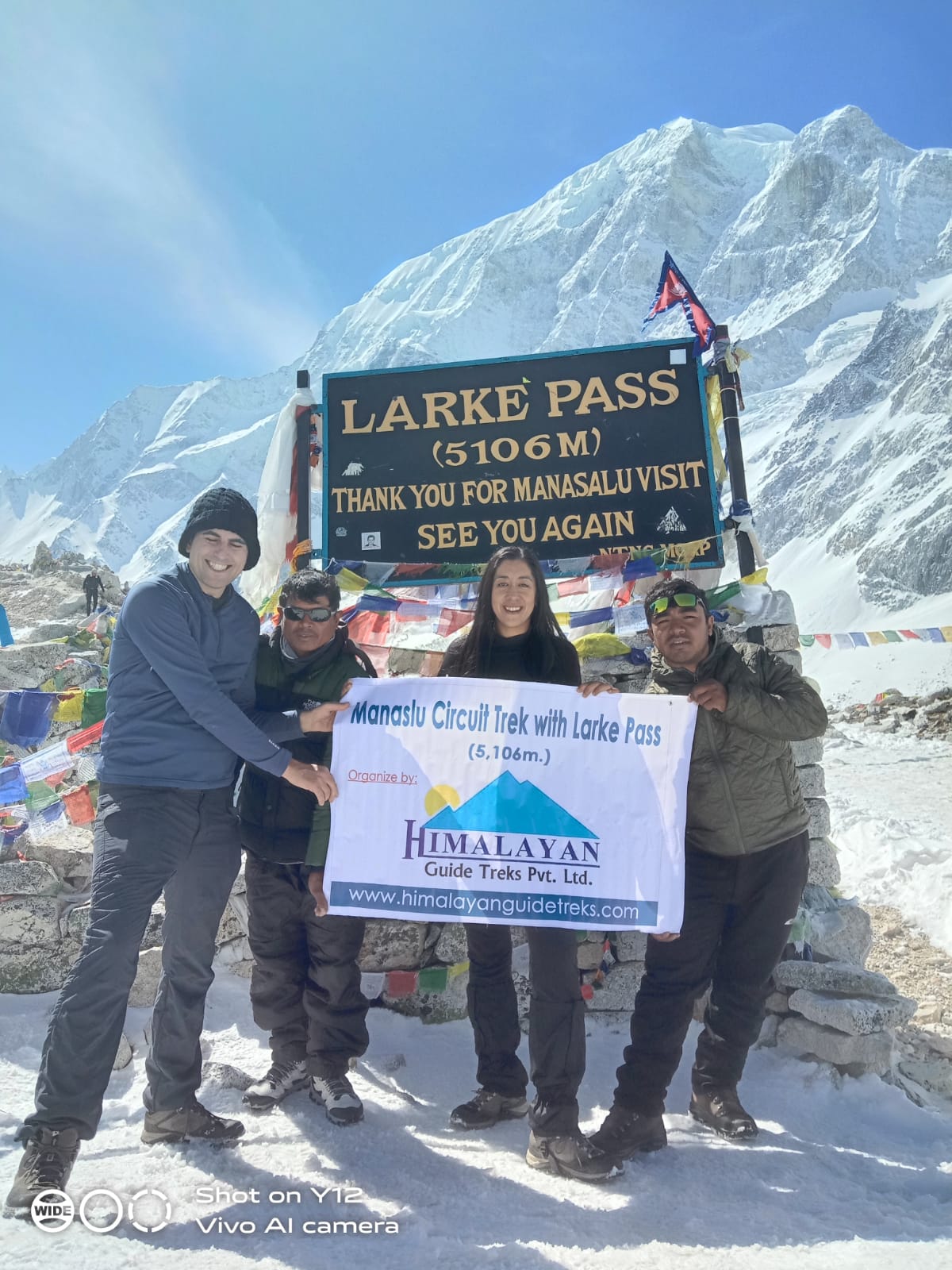
The Annapurna Base Camp Trek is Nepal’s most iconic trekking adventure. It offers an unforgettable himalayan journey into the heart of the Annapurna Sanctuary. Surrounded by the giant jaw dropping Himalayan peaks, typical Gurung villages, lush rhododendron forests, and glacial landscapes, this trek is a blend of both natural beauty and rich cultural experiences. Reaching Annapurna Base Camp (4,130 m), being face to face to the “Annapurna” the deadliest mountain is a dream for many trekkers itself. With astonishing vistas of the divine Macchapucchre.
At our company, we believe trekking is more than just simply walking through the mountains. It is about connecting with local communities, experiencing authentic Himalayan hospitality, understanding the traditions that have shaped life in the region for generations, and creating memories for lifetime. Our carefully designed 10 day Annapurna Base Camp itinerary allows you to enjoy the trek at a comfortable pace. We ensure your safety, comfort, and your overall satisfaction remains our highest priorities.
Overview
The Annapurna Base Camp Trek is located within the Annapurna Conservation Area in central Nepal. The trail leads us through diverse landscapes that change each day. Beginning from the vibrant city of Pokhara, the route passes through terraced farmland, dense bamboo forests, a lot of waterfalls, alpine meadows, and finally into the magnificent Annapurna Sanctuary.
The highlight of the trek is standing at Annapurna Base Camp, surrounded by a breathtaking amphitheater of snow covered mountains. Annapurna I, standing at 8,091 meters, dominates the skyline while Machhapuchhre, Hiunchuli, Annapurna South, Gangapurna, Tent Peak, and several other Himalayan giants create one of the most spectacular mountain panoramas anywhere in the world.
Unlike many high altitude expeditions that require technical climbing skills, the Annapurna Base Camp Trek is for anyone with reasonable physical fitness and adequate preparation. The trail is well established and teahouses are available throughout the route.
Best Season for the Annapurna Base Camp Trek
The Annapurna Base Camp Trek can be completed throughout the year. Each season significantly enhances your experience. The trek transforms itself from season to season. So, according to what you want to experience you can choose the season.
Spring
Spring, from March to May, is considered one of the best times to visit Annapurna Base Camp. The weather is stable, temperatures are warm, and rhododendron forests burst into mesmerizing bloom of different shades red, pink, white.
Mountain views are usually excellent during the mornings. While warmer daytime temperatures make trekking enjoyable even at higher elevations.
This season attracts photographers, nature enthusiasts, and first time trekkers seeking colorful landscapes.
Autumn
Autumn, from late September through November, is widely regarded as the finest trekking season in Nepal.
Following the monsoon, dust and humidity disappear. It leaves exceptionally clear skies and outstanding mountain visibility. Comfortable daytime temperatures and dry trails create ideal trekking conditions.
Autumn is also a festive season in Nepal. We may witness important cultural celebrations including Dashain and Tihar, adding another dimension to your Himalayan experience.
Winter
December through February brings colder temperatures, especially above 3,000 meters.
While snowfall occasionally affects higher sections of the trail, winter also offers peaceful trekking with fewer visitors. Clear skies often provide spectacular mountain views, although proper cold weather clothing becomes essential.
Monsoon
June through early September experiences frequent rainfall.
Trails can become muddy, leeches are common in lower forests, and clouds often obscure mountain views. However, the surrounding hills become incredibly lush and green, offering a different perspective of the Annapurna region.
Trekkers planning a monsoon adventure should be prepared for changing weather conditions and occasional travel delays.
Food During the Trek
Food plays an important role in maintaining energy during the Annapurna Base Camp Trek. Fortunately, teahouses along the trail serve a wide variety of nutritious meals designed to support trekkers throughout their journey.
Dal Bhat remains the most popular meal among experienced trekkers. This traditional Nepali dish consists of rice, lentil soup, seasonal vegetables, pickles, and curry. Many teahouses offer unlimited refills, making it both filling and nutritious.
Breakfast options typically include porridge, eggs, pancakes, Tibetan bread, toast, muesli, chapati, and hot drinks such as tea or coffee.
Lunch and dinner menus often feature fried rice, noodles, pasta, vegetable curry, soups, momo, pizza, sandwiches, and macaroni. Although menu choices become slightly more limited at higher elevations, most teahouses continue to offer satisfying meals.
Fresh fruits may not always be available at higher elevations because every ingredient must be transported by porters or mules. For this reason, many trekkers carry dried fruits, nuts, protein bars, or chocolate for additional energy.
Hydration is equally important. Drinking sufficient water helps reduce fatigue and supports acclimatization. We encourage trekkers to carry reusable water bottles and purification tablets or filters instead of purchasing disposable plastic bottles.
Accommodation
Accommodation along the Annapurna Base Camp Trek is provided through traditional mountain teahouses.
These family operated lodges offer clean, simple, and welcoming rooms. Most bedrooms include twin beds with mattresses, pillows, and blankets. We always recommend bringing a quality sleeping bag, particularly during colder months.
Bathrooms vary depending on location. Lower elevation villages generally offer modern facilities with western style toilets and hot showers. At higher elevations, facilities become more basic due to challenging mountain conditions.
Dining halls serve as the social center of every teahouse. Heated by traditional stoves during colder evenings, these communal spaces allow trekkers from around the world to share stories while enjoying freshly prepared meals.
Electricity is available in most villages, although charging electronic devices may involve a small additional fee. Internet access is available in many teahouses but becomes slower and less reliable as elevation increases.
Despite their simplicity, mountain teahouses provide one of the most memorable aspects of the Annapurna Base Camp experience. Staying with local families allows visitors to enjoy genuine Himalayan hospitality while supporting mountain communities whose livelihoods depend on sustainable tourism.
Throughout the trek, our team carefully selects reputable teahouses known for cleanliness, friendly service, nutritious meals, and comfortable accommodations whenever possible. While luxury hotels are not available on the trekking route, the warmth of local hospitality often becomes one of the most cherished memories of the entire journey.
Culture Along the Annapurna Base Camp Trek
One of the most rewarding aspects of the Annapurna Base Camp Trek is the opportunity to experience the rich culture of the people who call these mountains home. Beyond the spectacular landscapes, the journey offers meaningful encounters with local communities whose traditions have been preserved for generations.
The lower sections of the trail are home to the Gurung and Magar communities, two of Nepal’s most respected ethnic groups. The Gurung people are especially well known for their warm hospitality, strong community values, and proud history of serving in the Gurkha regiments. Their villages reflect a lifestyle that has remained closely connected to nature and the mountains for centuries.
As you pass through villages such as Chhomrong, you’ll notice traditional stone houses, terraced fields, colorful flower gardens, and prayer flags fluttering in the mountain breeze. Daily life revolves around farming, livestock, family, and tourism. Although trekking has become an important source of income, local residents continue to maintain their cultural identity and traditional way of life.
Religion also plays a significant role throughout the Annapurna region. Small Buddhist shrines, mani walls, prayer wheels, and chortens can be found along the trail. Many homes display symbols of both Buddhism and Hinduism, reflecting Nepal’s unique cultural harmony. Visitors are encouraged to walk clockwise around religious monuments and show respect when visiting monasteries or sacred sites.
Festivals bring villages to life throughout the year. If your trek coincides with Dashain or Tihar, you may witness families gathering to celebrate with traditional food, music, blessings, and colorful decorations. In spring, local communities also celebrate regional festivals that reflect their agricultural traditions and mountain heritage.
Food is another important part of the cultural experience. Sharing meals with local families inside cozy teahouses provides insight into everyday mountain life. Many ingredients are grown locally, and recipes have been passed down through generations. Simple meals such as Dal Bhat are not only nourishing but also represent the hospitality for which Nepal is famous.
At our company, we believe responsible tourism means more than visiting beautiful places. It means respecting local customs, supporting family-run businesses, and ensuring that tourism benefits the communities that make the Annapurna region so special. Every trek contributes to local livelihoods through accommodation, meals, transportation, guiding services, and conservation efforts.
Permits Required for the Annapurna Base Camp Trek
Before entering the Annapurna region, all trekkers must obtain the required permits. These permits help protect the environment, maintain trekking trails, and support conservation projects throughout the Annapurna Conservation Area.
Annapurna Conservation Area Permit
The Annapurna Conservation Area Permit, commonly known as the ACAP, is mandatory for all foreign trekkers entering the Annapurna region. The permit supports conservation programs, wildlife protection, waste management initiatives, and community development projects within Nepal’s largest protected conservation area.
TIMS Card
Depending on the latest trekking regulations in Nepal, trekkers may also be required to obtain a Trekkers’ Information Management System registration. Government policies regarding trekking documentation can change over time, and requirements may vary depending on whether you are trekking independently or with a registered trekking company.
You should always carry their passport and permit documents during the trek, as checkpoints are located along the route where officials verify trekking permissions.
Why Hire a Professional Guide and Porter
Although the Annapurna Base Camp Trek follows a well-established trail, hiring an experienced guide and porter greatly enhances both your safety and overall experience.
A professional guide provides much more than navigation. They share local history, explain cultural traditions, monitor your health at higher elevations, coordinate accommodations, communicate with teahouse owners, and respond quickly if unexpected situations arise. Their local knowledge helps you gain a deeper appreciation of the region while ensuring your trek runs smoothly.
Weather conditions in the Himalayas can change rapidly. Trails may become slippery after rain, visibility can decrease due to fog, and occasional landslides or snow may require route adjustments. An experienced guide understands these conditions and makes informed decisions based on years of local experience.
Communication is another important advantage. Many teahouse owners and local residents speak limited English. Your guide acts as a bridge between cultures, making interactions more meaningful while helping resolve any practical concerns during the journey.
Hiring a porter allows you to trek comfortably with only a light daypack carrying your personal essentials such as water, snacks, camera, and extra clothing. This significantly reduces physical strain, conserves energy, and makes the trek more enjoyable.
We strongly believe in ethical porter welfare. Our porters receive fair wages, proper equipment, suitable clothing, insurance coverage where required, and reasonable carrying loads that follow responsible trekking practices. Supporting ethical employment contributes directly to the wellbeing of mountain communities.
For many travelers, the friendships formed with guides and porters become one of the most memorable parts of the Annapurna Base Camp experience.
Altitude Sickness and Prevention
The Annapurna Base Camp Trek reaches an elevation of 4,130 meters above sea level. At this altitude, oxygen levels are significantly lower than at sea level, and some trekkers may experience symptoms of Acute Mountain Sickness, commonly known as altitude sickness.
Altitude sickness can affect anyone regardless of age, fitness level, or previous trekking experience. Being physically fit does not eliminate the risk, which is why proper acclimatization and careful monitoring are essential throughout the journey.
Common early symptoms include headache, loss of appetite, nausea, unusual tiredness, dizziness, difficulty sleeping, and shortness of breath during physical activity. These symptoms are often mild at first but should never be ignored.
Our itinerary has been carefully designed to reduce unnecessary altitude gain while allowing your body sufficient time to adjust naturally. Trekking gradually rather than rushing significantly lowers the likelihood of developing altitude related illness.
Staying well hydrated is one of the simplest and most effective preventive measures. Drinking plenty of water throughout the day supports normal body function and helps reduce dehydration, which can worsen symptoms. We also encourage trekkers to avoid excessive alcohol consumption before and during the trek, as alcohol can interfere with acclimatization.
Eating regular meals is equally important. Even if your appetite decreases slightly at higher elevations, consuming enough carbohydrates and maintaining adequate energy intake helps your body adapt more effectively.
Pacing yourself is another key factor. Many first time trekkers make the mistake of walking too quickly during the early days. A steady, comfortable pace allows your body to adjust while reducing unnecessary fatigue.
Our guides conduct regular health checks throughout the trek and pay close attention to any signs of altitude related illness. If symptoms become more severe or do not improve with rest, descending to a lower elevation remains the most effective treatment. No mountain summit or destination is worth risking your health.
Trekkers with pre existing medical conditions should consult their healthcare provider before traveling to high altitude and discuss whether preventive medications or additional precautions may be appropriate for their individual circumstances.
By following safe trekking practices, listening to your guide, and respecting your body’s limits, most visitors complete the Annapurna Base Camp Trek safely while enjoying one of Nepal’s most spectacular mountain experiences.
Why Choose the Annapurna Base Camp Trek
The Annapurna Base Camp Trek remains one of Nepal’s most popular trekking routes for many reasons.
The trek offers exceptional scenery from the very first day. Instead of spending several days walking through dry valleys before reaching the mountains, trekkers immediately begin experiencing forests, rivers, waterfalls, suspension bridges, and panoramic mountain views.
One of the most remarkable things of the trek is the diversity of landscapes. Within just a few days, you travel from subtropical forests filled with bamboo and rhododendrons to glacial terrain surrounded by massive Himalayan peaks.
The route also provides meaningful cultural experiences. Traditional Gurung and Magar villages welcome trekkers with genuine hospitality. Staying in family operated teahouses allows visitors to experience local customs, food, and everyday mountain life.
For photographers, every day presents new opportunities. Sunrise over Annapurna South, mist rising through bamboo forests, colorful prayer flags fluttering beneath snow covered peaks, and the famous golden light illuminating Machhapuchhre are unforgettable moments.
Compared to longer Himalayan expeditions, the Annapurna Base Camp Trek delivers an outstanding mountain experience within a manageable timeframe, making it ideal for travelers with limited vacation days.
Guide and Porter
Legally, you don’t need a guide or porter for this particular route. Nepal’s stance on solo trekking in the Annapurna region has flip-flopped a bit over the years, so double-check the rules before you go. That said, most people doing this for the first time bring one or both along anyway, and honestly, it’s easy to see why.
A guide does more than just point you in the right direction. They’ll handle the permit checks at each stop, get your room booked ahead of time in places like Ghorepani where things fill up fast, and share bits of local history and culture as you walk. If something goes wrong health-wise, they’re usually your first line of help too.
Then there’s the porter, who’ll take your main bag off your hands (usually 10-15 kg, sometimes split between two hikers) so you’re just carrying a light daypack. You’ll really appreciate this on the Ulleri staircase, which is no joke. n that works well on a route like this since it’s short and easy to follow.
As for cost, figure around $25-35 a day for a guide, $15-20 for a porter, or $20-25 if you go with a porter-guide. That usually covers their food and lodging too, and it’s customary to tip at the end somewhere around 10-15% of your total trip cost, split among the crew.
What to Expect on the Trail
Day 1 in Kathmandu is normally logistics and settling in the jet lag, gear checks and rest. Maybe a walk through Thamel’s street, trekking shops, cafes and prayer-flag-draped alleys.
Day 2’s drive to Pokhara will be quite long, 6 to 7 hours. Although the scenery (terraced hillsides, river gorges, glimpses of the Annapurna range on clear days) makes it easier. Pokhara itself is worth an evening walk; it’s the last real “comfort” before the trail.
Day 3 is where it gets real. The drive to Birethanti is short, but the trek from there to Ulleri is the hardest single day of this itinerary. A long staircase of roughly 3,000 stone steps climbing through the Bhurungdi Khola valley. It’s humid, it’s relentless, and it’s the day most people question their life choices. Walk slowly, drink constantly, and remember it gets easier after this.
Day 4 to Ghorepani is easier in comparison, still uphill, through stunning rhododendron forest. If you’re trekking in spring (roughly March–April), this stretch is when the forest explodes into red and pink blooms, and it’s genuinely one of the best-looking parts of the whole route. Ghorepani itself sits on a ridge with your first unobstructed panorama of the high peaks.
Today you wake-up early around 4 am and a headlamp-lit climb up to Poon Hill for sunrise. It’s cold, it’s crowded (this viewpoint draws trekkers from every itinerary converging at once), and it’s absolutely worth it a 360-degree sweep of Dhaulagiri, Annapurna South, Annapurna I, Machhapuchhre, and Nilgiri. After descending back to Ghorepani for breakfast, the day continues on to Tadapani through quieter, denser forest. This is a good spot for wildlife if you’re lucky enough, you will spot langurs especially.
Day 6 brings you down through Ghandruk, one of the best-preserved Gurung villages in the region, with traditional stone-and-slate architecture and a small heritage museum worth a stop if time allows. From there it’s a drive back to Pokhara, and the trekking portion of the trip is done.
Travel Insurance
Travel insurance is necessary for the trek. Weather, accidents, illnesses, and unexpected emergencies can occur, and medical evacuation from the mountains can be expensive without insurance.
A good travel insurance policy for the Poon Hill Trek should include emergency medical expenses, trekking coverage up to at least 3,500-4,000 meters (or higher), emergency helicopter evacuation, trip cancellation or interruption, lost or delayed baggage, and emergency repatriation if you need to return home for medical reasons. Many standard travel insurance policies exclude trekking above certain altitudes, so it is important to read the policy carefully and confirm that high-altitude hiking is specifically covered.
Can Beginners Do the Ghorepani Poon Hill Trek?
Yes, without much hesitation this is probably the most commonly recommended “first Himalayan trek”. The trail is well-established, teahouses are frequent enough that you’re rarely more than a couple of hours from food, water, or a place to rest, and the altitude never climbs high enough to be a real medical concern for most healthy adults.
The honest caveat is fitness, not experience. Day 3’s climb to Ulleri is genuinely demanding thousands of stone steps with real elevation gain in a single push and it will test anyone who isn’t used to sustained hiking, regardless of how many treks they’ve done before. The good news is it’s a single hard day rather than a sustained slog; days 4 through 6 are noticeably more forgiving. If someone can handle a few hours of stair-climbing without a technical background in trekking or mountaineering, they can do this trek. It’s also a smart “test run” for people considering a longer or higher trek later (like full ABC). It tells you a lot about your own pacing and how your body handles multi-day trekking before you commit to something bigger.