Kathmandu City Tour leads you from the sub-metropolitan to the medieval period around historical sites. Kathmandu is the capital and commercial hub of Nepal enriched with ancient history, culture, and traditions. An amazing Kathmandu city, where visitors can observe, both Hindu and Buddhist religions blending in perfect harmony.
Kathmandu is also an important pilgrim destination for both Hindus and Buddhists with major and important heritage sites. The city houses major old temples and monasteries, which are listed in the UNESCO World Heritage Sites. Kathmandu City, is indeed a unique traveler destination, wearing an exotic setting. In the past thousands of centuries, it stood as a large lake. It is surrounded by a tier of Green Mountain walls above, with mighty snow-capped peaks towards the north.
Kathmandu City Tour takes you to visit the country’s famous ancient landmarks of monuments, from religious to historical sites.
The Best Seasons
Kathmandu city tour, for all seasons of the year, from spring, summer, autumn to winter. However, the best time is spring from March to May, most days are sunny but can get cloudy in the late afternoon.
Chances of light showers. Next best season is autumn/fall, begins in September and ends in November. One of the high seasons for views and pleasant walks, sunny days most of the time in autumn.
But gets dark soon, due to short sunlight hours, cold morning, and late afternoon till nighttime.
Detailed Itinerary For Full Day Tour From 9 A.M To 3 P.M
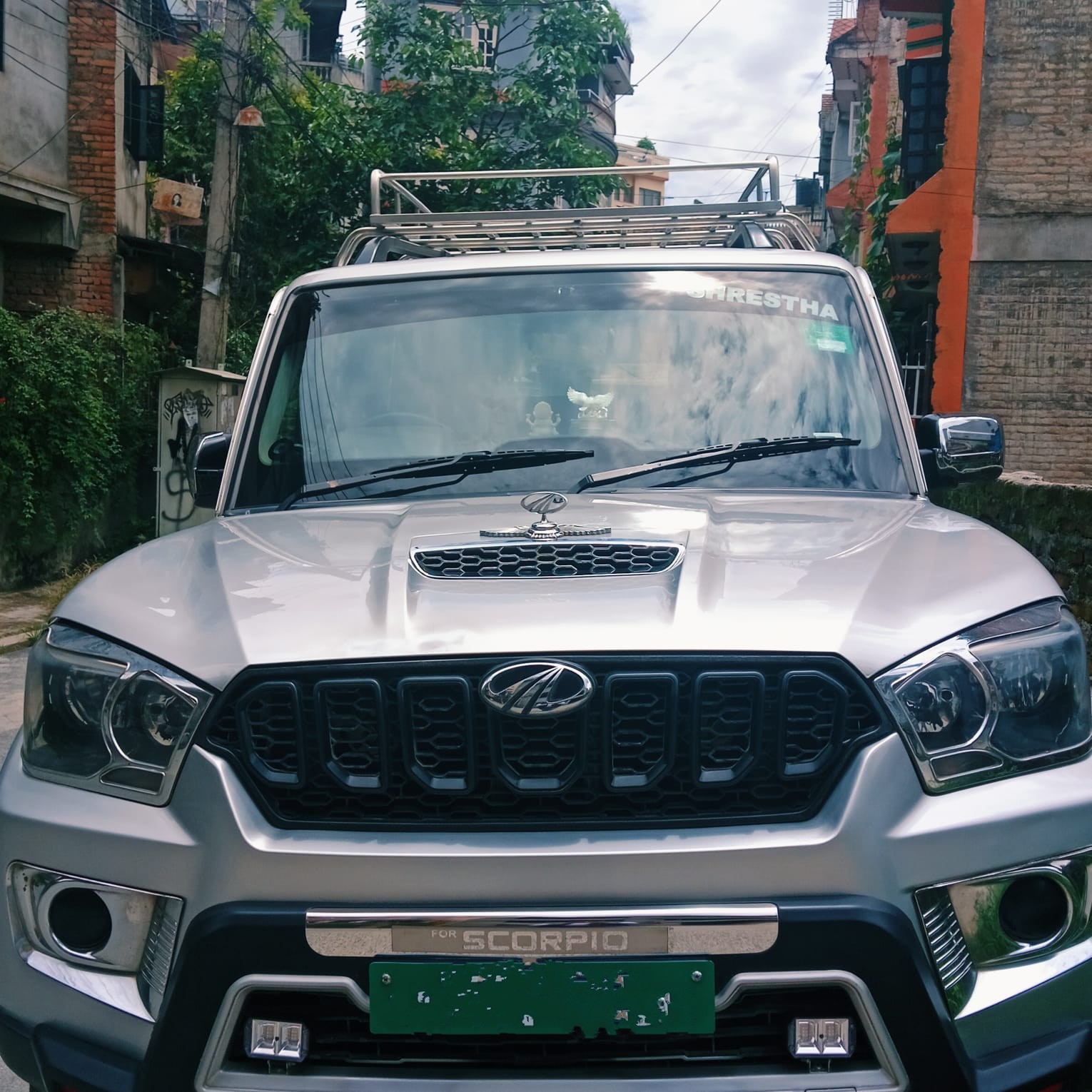
The time and places can varies as per the interest of visitors and as per the tour guide decisions. The tour includes lunch break in a nice world class restaurant. It is a fully guide tour led by expert guide and in a spacious vehicle, as size of a group. From cars, coach, 4WD or in a comfortable Bus for large group of more than 10 people.
Places Of Intresting Sites In and Around Kathmandu City Tour
- Kathmandu Durbar Square
- Hanuman Dhoka
- Temple of Kumari
- Kastamandap
- Swyambhunath (Monkey Temple)
- Pashupatinath Temple
- Bouddhanath Stupa
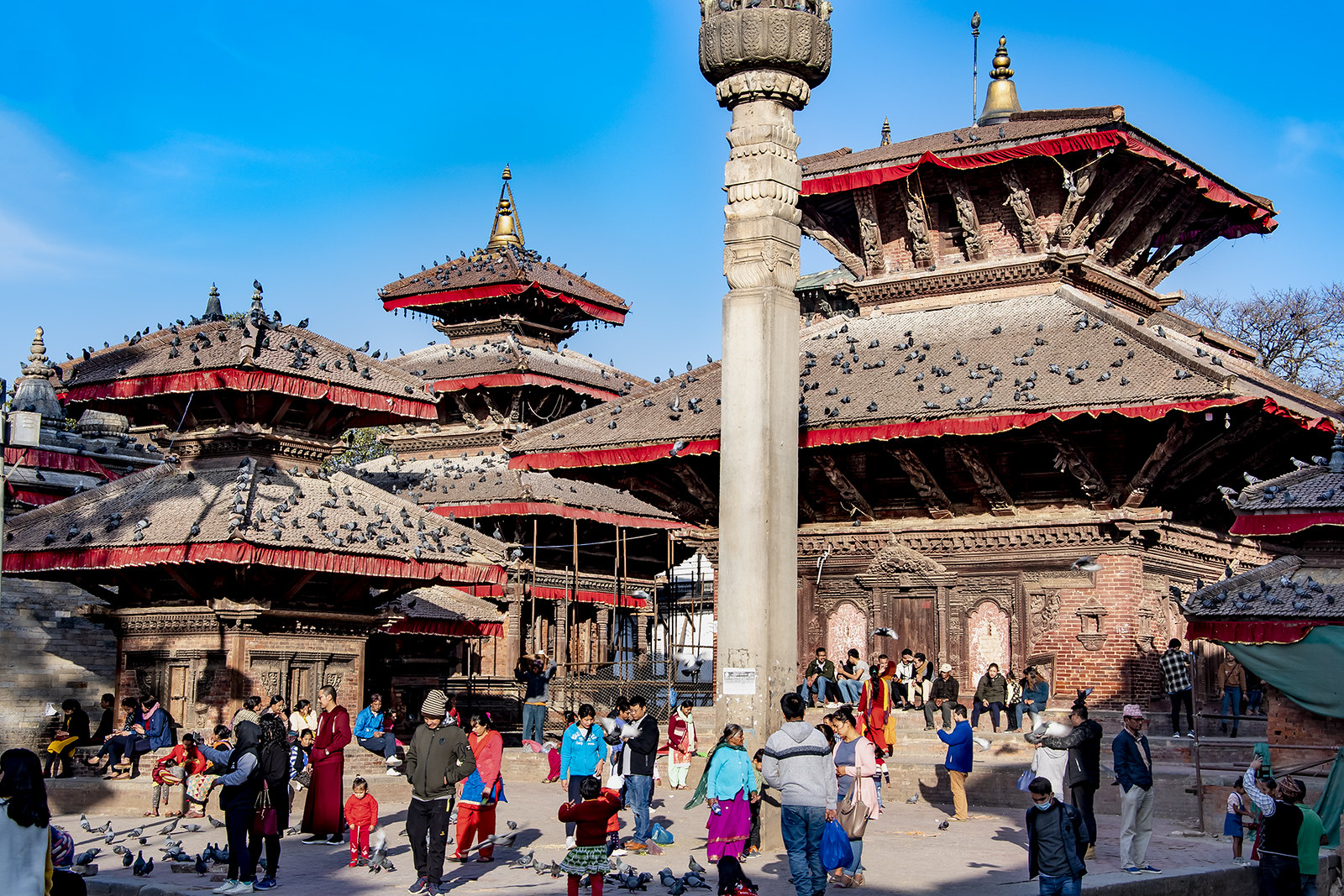
The Kathmandu Durbar Square
An amazing place where one can be overwhelmed by uncountable monuments in the Kathmandu Durbar Square. The house of the Living Goddess (Kumari Ghar), the ferocious Kal Bhairab, the red monkey god, and hundreds of erotic carvings are a few examples of the sights at the Square! The buildings are greatest achievements of the Malla dynasty around Kathmandu, Patan, and Bhaktapur.
Kastamandap, a rest house, built with the wood of a single tree from which Kathmandu name derived from all woodcarvings, statues, and architecture in this area are exceptionally fine. Kathmandu Durbar Square is among the most important sights for travelers to experience.
The complex also houses the Tribhuvan Museum that carries the mementoes of different Shah Kings.
Swyambhunath (Monkey Temple)
More than 25 centuries old and stands as one of the world’s oldest Buddhist Chaityas. The Great Stupa of Swayambhu is the wonder that was Nepal, the glory that was Nepal. It is indeed listed a World Heritage for Site to prove that it serves as the nerve center of faithful worship for all the devout philosophy of Vajrayana in particular and honors Lord Adi Buddha. It is dedicated to the self – originating flame God. The stupa, which forms the salient structure, is well composed of a solid hemisphere of terra – cotta bricks and soil supporting a cornice of copper and gilt.
Painted on the four -sided based by spiral are all seeing eyes of Lord Buddha, keeping an eternal watch on the Valley distinguishing between vice and virtue. It is some two miles west of Kathmandu City proper across the holy Bishnumati River. Situated on the top of a hillock, it is about 500 feet above the level of the Valley. The whole hill is a mosaic of small Chaityas and pagoda temples possessing great five Mahayana (Lamaism) and one Hinyana (Therbadist). On the hind hill is located another important Buddhist shrine; it is called Manjushree. This Chinese Buddha is the God of Knowledge.
Pashupatinath Temple
A pagoda style Hindu temple with gilt roofing and richly carved silver doors dedicated to Lord Shiva and is situated at the bank of the holy Baghmati River. One of the most sacred temples in the entire Hindu world, Pashupatinath Temple is the nerve center of pilgrimage on the day of Shivaratri.
This small religious town itself houses the great temple is known as Debpatan and is situated 5 kilometers east of the capital city. Only Hindus are permitted to enter the main courtyard of the temple. Alien tourists can view the temple from the eastern side of the Baghmati River.
Bouddhanath Stupa
Declared as the largest Buddhist shrine of South Asia, the ancient colossal chorten built in the 6th century A.D. by King Man Deb. It rests on a series of three terraces and from the bird’s eye view it takes the relevant shape or of a lotus flower which indeed remains a very holy object for all the devout Buddhists of the world. The chorten surrounded by a circular market, which forms a part of little Tibet town.
A four pairs of the Buddha’s eyes give a vivid flash to the four cardinal directions, meaning to keep a diligent watch over the people and their commitments all day all night. The chorten embraces the authentic philosophy of Mahayana faith of Buddhism which is known as Lamaism in Sikkim, Ladakh, Bhutan and Tibet.