Remembering the Victims and Standing with the Communities Affected by the Devastating Floods in Nepal
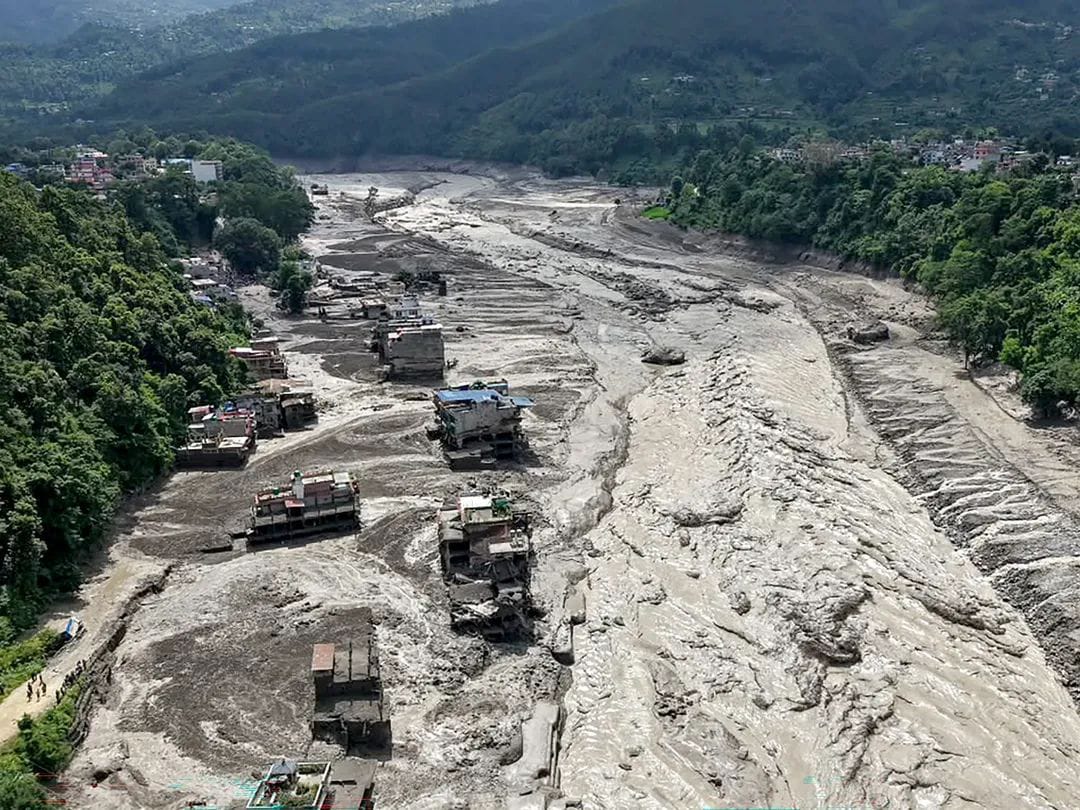
Nepal is once again facing one of the most heartbreaking natural disasters in recent years. On 26 August 2026, severe flash floods swept through parts of central Nepal, particularly along the Bhote Koshi and Trishuli river corridors, causing widespread destruction to communities, infrastructure, tourism routes, and livelihoods.
The disaster has deeply affected districts including Rasuwa, Nuwakot, Dhading, Chitwan, Gorkha, and Tanahun. Homes, bridges, roads, hydropower facilities, and other essential infrastructure have suffered significant damage, while thousands of families have been displaced or remain uncertain about the safety of their loved ones.
For Nepal, a country known for its mountains, rivers, resilience, and hospitality, this tragedy is a painful reminder of the power of nature and the vulnerability of communities living in the Himalayan region.
What Happened?
According to preliminary assessments, the catastrophic flooding was linked to a sudden surge of water originating upstream from the Tibet Autonomous Region of China. Scientific investigations are still underway, but authorities and researchers have suggested that an ice-and-rock avalanche and temporary damming of the Lhende River may have contributed to the disaster.
The exact sequence of events is still being investigated. What is clear, however, is the devastating impact that the sudden flood had as it travelled downstream through the Bhote Koshi and Trishuli river systems.
Entire settlements were affected within a short period of time. Roads and bridges were washed away, communication networks were disrupted, and rescue operations became extremely challenging due to the difficult Himalayan terrain.
A Humanitarian Crisis
The human cost of this disaster has been devastating.
As of the Government of Nepal’s latest official briefing on 29 August 2026, hundreds of bodies had been recovered and approximately 2,400 people remained unaccounted for. Search, rescue, relief, and recovery operations continue as authorities work to reach affected communities and locate missing individuals.
Among those affected are local residents, workers, travellers, and international visitors. The disaster has therefore become not only a national tragedy but also an international humanitarian concern.
Children and vulnerable communities have been particularly affected. UNICEF has reported that thousands of children require urgent humanitarian assistance, with schools and essential community infrastructure damaged by the flooding.
Behind every number is a family waiting for news, a community searching for loved ones, and survivors trying to rebuild their lives.
The Impact on Communities and Infrastructure
The floods have caused enormous damage across several regions of Nepal.
Communities located near river corridors have experienced the destruction of:
- Homes and residential settlements
- Roads and highways
- Bridges and transportation networks
- Hydropower infrastructure
- Schools and community facilities
- Agricultural land
- Local businesses and livelihoods
- Tourism and pilgrimage routes
The destruction of transportation infrastructure has also created major challenges for rescue teams and relief organizations. In mountainous areas, damaged roads and unstable terrain can make access extremely difficult.
For many communities, recovery will not simply mean rebuilding houses. It will mean rebuilding livelihoods, restoring transportation, reopening schools, reconnecting communities, and helping families recover emotionally from unimaginable loss.
Nepal’s Strength During Difficult Times
Despite the tragedy, Nepal has once again demonstrated the extraordinary strength and unity of its people.
Government agencies, the Nepal Army, Nepal Police, Armed Police Force, healthcare workers, volunteers, local communities, humanitarian organizations, and international partners have mobilized to support rescue and relief operations.
Search teams continue to work under extremely difficult conditions. Helicopters, emergency teams, medical personnel, and volunteers are playing an essential role in reaching affected communities.
In moments like these, the true strength of Nepal becomes visible.
A Reminder of Nepal’s Environmental Vulnerability
Nepal is one of the world’s most geographically beautiful countries, but its Himalayan landscape also makes it highly vulnerable to natural disasters.
The country’s steep mountains, rapidly flowing rivers, changing weather patterns, and fragile geological conditions create significant risks during extreme weather events.
Scientists continue to study the relationship between changing climatic conditions, glacier activity, landslides, extreme rainfall, and sudden flooding in the Himalayan region. The recent disaster highlights the importance of improving early-warning systems, disaster preparedness, cross-border information sharing, infrastructure planning, and community-level emergency response.
Protecting vulnerable communities requires long-term planning and cooperation at local, national, and international levels.
What This Means for Tourism in Nepal
Tourism is an important part of Nepal’s economy and provides livelihoods for thousands of families. The recent disaster has affected transportation networks and some tourism areas, particularly in regions connected to the affected river systems.
For travellers planning to visit Nepal, it is important to understand that conditions can vary significantly depending on the destination and route.
Travellers should:
- Check the latest road and weather conditions before travelling.
- Follow official government advisories.
- Avoid travelling near high-risk river corridors during emergency situations.
- Use experienced local travel agencies and guides.
- Stay updated on potential route changes.
- Keep emergency contact information available.
- Purchase appropriate travel insurance.
- Remain flexible with travel itineraries during the monsoon and disaster-risk periods.
At the same time, it is important not to generalize the situation across the entire country. Nepal remains a vast and geographically diverse destination, and travel conditions differ significantly from one region to another.
Responsible tourism and accurate information are essential during times of crisis.
Our Message to the People of Nepal
At Himalayan Guide Treks Pvt. Ltd., our hearts are with every family affected by this devastating disaster.
We extend our deepest condolences to those who have lost loved ones. We pray for the safety of those who remain missing and for the recovery of those who have been injured or displaced.
We also express our deepest respect and gratitude to:
- Rescue teams
- Security personnel
- Healthcare workers
- Volunteers
- Local communities
- Humanitarian organizations
- Government authorities
- Everyone working tirelessly to save lives and provide relief
Nepal has suffered a tremendous loss, but the spirit of its people remains strong.
Moving Forward Together
The road to recovery will be long.
Rebuilding communities after a disaster of this scale requires more than immediate emergency assistance. It requires sustained support, infrastructure reconstruction, livelihood restoration, psychological assistance, and long-term disaster preparedness.
The affected families will need support not only today but also in the months and years ahead.
As a Nepali travel company, we believe that tourism has an important role to play in Nepal’s long-term recovery. Responsible tourism creates employment, supports local businesses, strengthens communities, and contributes to the national economy.
When the time is appropriate and destinations are declared safe, supporting Nepal through responsible travel can become one of many ways to help communities rebuild their livelihoods.
But today, our first priority is humanity.
Today is the time to stand together.
Today is the time to support affected families.
Today is the time to remember those we have lost.
And today is the time to show the world the strength, courage, and resilience of Nepal.
Together, Nepal Will Rise Again
Natural disasters can destroy homes, roads, and infrastructure, but they cannot destroy the spirit of a united people.
Nepal has faced difficult moments before. Each time, the nation has rebuilt itself through courage, compassion, and collective strength.
The recent floods have brought unimaginable pain to many families, but Nepal will not stand alone.
From communities helping their neighbours to rescue workers risking their lives, the message remains clear:
We are stronger when we stand together.
On behalf of Himalayan Guide Treks Pvt. Ltd., we stand in solidarity with every individual, family, and community affected by this tragedy.
Our thoughts and prayers remain with Nepal.
Stay Safe. Stay Strong. Nepal Will Rise Again.