Introduction
So, many people still think of Nepal as a point of an adventure due to Everest, its high altitude topographies and multiple mountains above 8,000 meters.
Not just topographies, but also the history of how tourism started in Nepal.
The Nepalese mountains have acted like the pillars of tourism in Nepal which is why it’s common for many people to think Nepal is majorly for and all about Adventure and bravehearts, but it’s not completely true.
Nepal has a deeply rooted side in culture and spirituality and given the fact that the birth place of Lord Buddha is here.
So if you want to see, feel and touch the spiritual side of Nepal and truly immerse yourself into the experience of spirituality and want to get the opportunity to touch that part of your life then we’ve got just the thing for you.
We have a carefully crafted new Buddhist tour that blends deep pilgrimage with peaceful reflection and cultural immersion. From ancient stupas and monasteries of the Kathmandu valley to the holy Halesi Mahadev caves and lush jungles of Chitwan and revered birthplace of Buddha. This tour offers a perfect balance of spirituality, nature and comfort.
Doesn’t matter if you are a devoted Buddhist pilgrim or spiritual seeker, a cultural traveler or even an atheist it doesn’t matter, spirituality is never about religion. This journey right here allows you to walk into the footsteps of Lord Buddha and Guru Rinpoche while you experience the Nepalese profound tranquility and warm hospitality of the locals.
You will feel like home even when you are not at home. That’s how profound and warm the hospitality here is.
Trip highlights
Let’s explore what’s in the bag for you.
Halesi Mahadev (Maratika cave)
So this will be one of the major highlights of the trip. This holy cave complex is revered as the place where Guru Rinpoche (Padmasambhava) and his consort Mandarva gained state of immortality.
Pilgrims keep coming here to pray, meditate and seek blessings for a long life and spiritual realization in a powerful serene hilltop setting.
Lumbini, the birth place of Lord Buddha
Listed as the World Heritage site by UNESCO, the birthplace of Lord Buddha. This right here is a fascinating and must-watch and must-see sight.
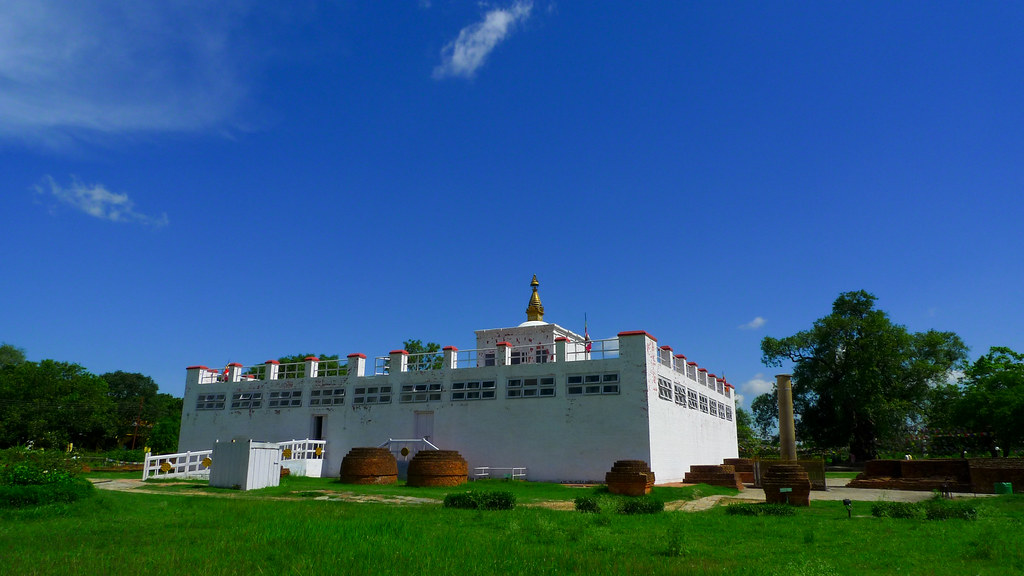
Here you will visit the Sacred Maya Devi Temple, which marks the exact spot where the Queen Maya Devi gave the birth to the prince Siddharth Gautama, and the pillar, Ashoka erected over 2000 years ago.
We can also walk through the beautiful sacred garden and visit the magnificent monasteries built by Buddhist communities from around the world, offering a deeply peaceful and spiritually enriching experience.
The prayer wheels of Bouddhanath
One of the most powerful Tibetan Buddhist sites in the country and largest stupa from the time of many kingdoms to the modern rule, it’s a highlight that pilgrims from around the world visit everyday to pray and walk around the dome and experience spiritual healing.
Only a limited number of people are said to have known about the stupa containing relics of Kassapa Buddha, which is why the place feels so peaceful the moment you step in.
As you walk around the prayer wheel turning them and chant “Om Mani Padme Hum,” it tunes into a beautiful kind of moving meditation that leaves you feeling calm and refreshed.
After going around the outside, It took some time to visit these smaller monasteries and shrines tucked around the base. And if you want the best bluegrass seat at one of the rooftop cafes. Watching the prayer flags flutter with the mountains in the distances, something magical.
Visit the Jamchen Vijaya Stupa
This stupa is perched on a quiet hill close to Shivapuri National Park, a lesser-known spot that is becoming more popular lately. As you climb the stairs lined with prayer flags, the Valley View opens up beautifully in front of you.
The best thing to do here is simply sit quiet or take a walk around the stupa. The whole area feels very tranquil.
Note that you can’t enter the inner garden but the surrounding space is much more than enough to enjoy the peaceful vibe.
Hike to Nagi Gumba
Nagi Gumba, is a special nunnery that is located inside the Shivapuri National Park.
One of the few places in Nepal dedicated only to Buddhist nuns. A short but pleasant hike through the forest takes you upto this peaceful sanctuary about the noisy city.
We can watch the nuns go about their daily routine of study, prayer and meditation. Their simple and disciplined lifestyle is really inspiring. The humble buildings and kind atmosphere makes this one of the most touching stops on the tour.
Visit the quiet hilltop of the Namkha Monastery.
This place really feels like a hidden gem.
I mean, it’s peaceful, quiet and is far from the everyday noise of modern life and sits on a hill surrounded by trees and greenery.
Belonging to the ancient Bon tradition, Tibet’s oldest spiritual line, it offers a very different instruction compared to other monasteries.
The views are open and beautiful and the prayer halls are decorated with colorful traditional paintings.
Here’s what I suggest to you.
Take a slow walk around the grounds and enjoy the silence. It’s one of those places that truly helps you feel grounded and peaceful.
A meditation session in Kopan Monastery
Speaking about this. This takes just a 30 minute drive from the Bouddhanath, It’s renowned among the solitude lovers. Well known center for Tibetan Buddhist study and meditation. Founded by Lama Yeshe and Lama Zopa Rinpoche, It has a wonderfully calm atmosphere that’s perfect if you’re looking for something deeper.
They keep things quiet and focused here so it doesn’t get crowded with casual visitors to the gardens, sit in prayer halls or simply find a quiet corner to meditate. A lot of our guests end up spending half a day here because the energy of the place is so soothing.
I’m personally suggesting you. It’s better if you give it a shot.
The Spiritual life of Kirtipur Monastery.
Let’s take a round for Kirtipur Monastery exploration.
The Kagyu Institute of Buddhist Studies, also known as Kirtipur Monastery, is a beautiful blend of learning and spiritual practices.
It started from a small house offered to distinguish Karmapa and was later developed by Venerable Shangpa Rinpoche.
You can walk around the peaceful courtyard, spend time in prayer halls and enjoy the sweeping views. It’s a great place to see how you study and devotions to work together in Tibetan Buddhism.
The Dzogchen Monastery in Godawari
Monasteries are typically far from the everyday hustle of life. Just like the Kirtpuri monastery this too is far from noise and chaos of life, sitting near the botanical garden of Godawari. With the roots of ancient Dzongchen teachings of Nyingma tradition, it was established. With guidance from great masters like Penor Rinpoche and Chokyi Nyima Rinpoche.
You can see it in the meditation halls and feel the strong spiritual energy around you. If there’s time, a quick visit to the nearby botanical garden is a nice bonus, but the real focus remains in the monastery.
The Sacred Namobuddha Monastery grounds
Namobuddha (Thrangu Tashi Yangtse Monastery Grounds) It’s one of the most important Buddhist sites near Kathmandu. About 40km southeast of the city, this sacred place is where Prince Mahasatva, an earlier incarnation of Buddha, sacrificed his body to save a hungry tigress and her cubs.
The story makes it powerful, but the monastery also offers beautiful Himalayan views on clear days. Walking on the ground while thinking about this act of compassion is something many pilgrims remember long after the trip.
The ancient caves and monasteries in Pharping.
Pharping is a sacred area strongly connected to Guru Padmasambhavaba and the main highlight is the Asura cave where Guru Rinpoche is believed to have reached the level of Mahamudra Vidyadhara. Inside you will see beautiful images of Padmasambhavaba and other deities.
Right over The Cave in Pema Osaling Monastery with its lovely courtyard and the calm shrine rooms. A full day exploring Pharping’s cave and temples feels quiet, meaningful and very special.
The climb of Swayambhunath
Popularly known as Monkey Temple, it’s one of the oldest Buddhist sites in Nepal. Legend says a statue appeared itself where the architecture stands today, when the Kathmandu valley was not even a settlement and just a big lake.
Just be aware of the monkeys, they are very naughty and mischievous. This place has a strong spiritual feeling. Don’t miss the nearby Harati Ajima Temple, And make sure to enjoy the panoramas from the top. You can sometimes see the Ganesh Himal and Langtang ranges clearly in winter
Detailed itinerary
Day 1: Arrival in Kathmandu transferred to hotel.
When you land at Tribhuvan International Airport in Kathmandu , one of our delegates agreed to transfer you to your hotel where you will have enough time for rest and recovery from your journey.
In the evening you will get a welcome dinner with a brief orientation about the sacred Buddhist sites and journey ahead. By our designated guide for you from for the event tomorrow onwards
Day 2: Drive from Kathmandu to Halesi Mahadev Temple. ( 1,200m/3937 ft)
Today we drive east from Kathmandu towards the sacred Halesi Mahadev, also known as Maratika Cave. This will be a long but scenic drive of around 8-9 hours, approximately 220km.
Halesi holds a deep significance both for Hindus and Buddhists.
For Buddhists, it is a holy site where Guru Rinpoche (Padmasambhava) meditated with his consort Mandarava and attended the realization of immortality.
Day 3: Explore Halesi Temple.
This day is fully dedicated to exploring the Sacred Halesi-Marathika cave.
You will visit three main caves, offer prayers and soak in the powerful spiritual energy of the ancient pilgrimage sites. Many Buddhist pilgrims come here seeking blessings for longevity and spiritual realization.
The serene hilltop location and surrounding views make this a. Peaceful and profound experience.
Day 4: Drive from Halesi to Chitwan (150m/492ft)
After breakfast we head towards the Chitwan National Park, approximately 6 to 7 hours, enjoy the changing landscapes from hill to the lush Terai Plains, at the resort in Chitwan three to one and relax in the natural surroundings.
Day 5: Chitwan Exploration.
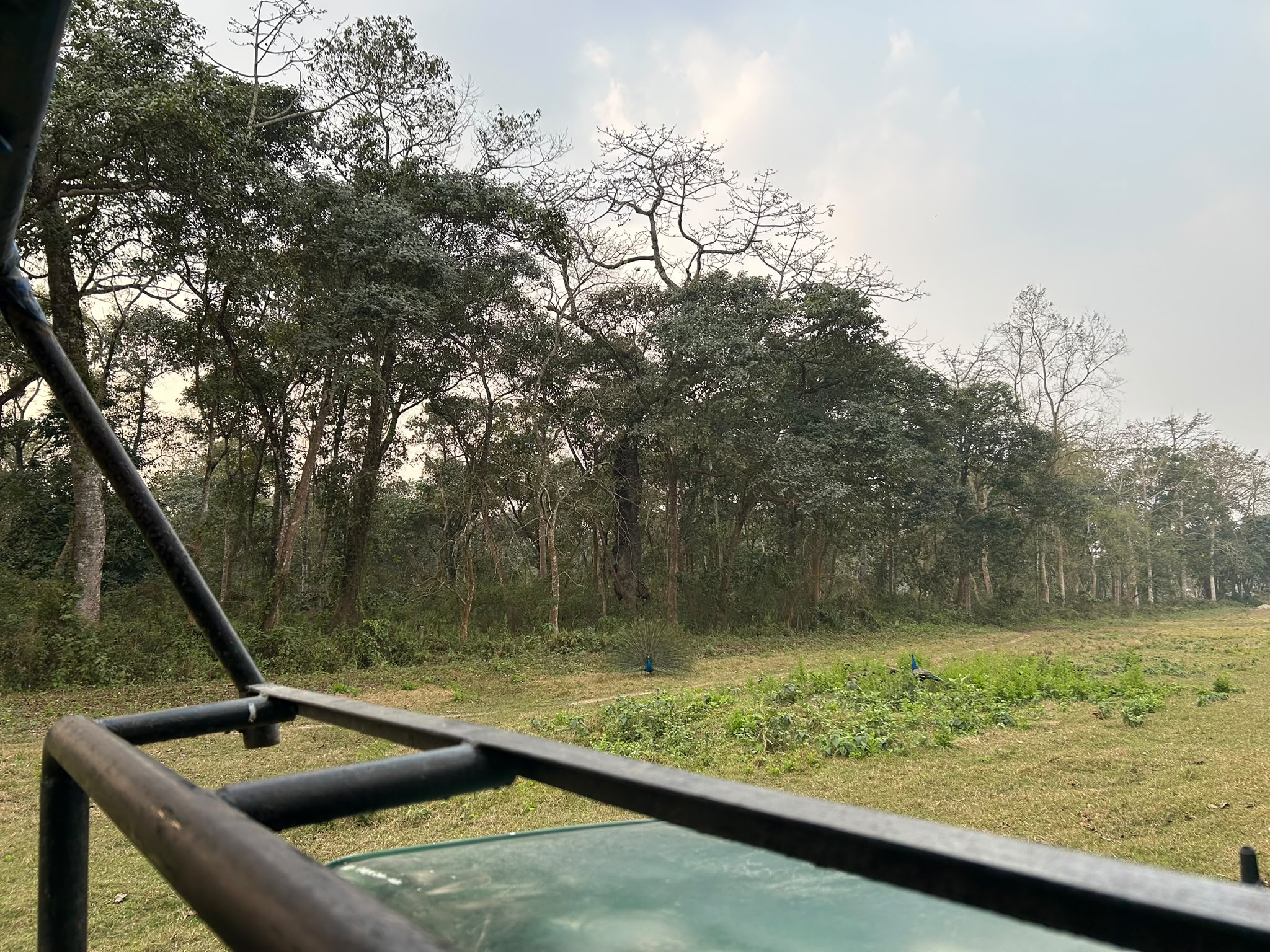
Today we allot this day for Chitwan exploration, particularly Chitwan National Park, a UNESCO World Heritage Site. Activities may include Jungle Safari, Canoe Ride on the Rapti River, visit Tharu village and witness the Cultural dance Program in the evening.
While not a major Buddhist site, the peace of adventure here offers a wonderful space for reflection.
Day 6. Drive from Chitwan to Lumbini (150m/492ft).
We will drive to Lumbini, the birth place of Lord Buddha. It will take around approximately 4-5 hours for this trip.
This is one of the most important days of the tour as you enter the sacred land where the Prince that the Gautama was born.
You will also explore the ancient kingdom of Tilaurakot (Kapilvastu), where the Buddha spent the first 29 years of his princely life before walking on his spiritual journey.
Day 7: Lumbini exploration.
Just like Chitwan , this day right here is a fully dedicated exploration day for Lumbini.
We will visit the sacred Maya Devi Temple, marking the exact birth place of Lord Buddha, the Ashoka Pillar, the sacred Garden and beautiful monasteries built by different countries, China, Japan, Thailand, Myanmar, Sri Lanka.
You can meditate, Circumbabulate the stupas, and feel the profound sense of peace and solitude this holy site makes you feel.
Day 8. Drive from Lumbini to Trishuli Riverside Resort (350m/1,148 ft).
After the peaceful morning in Lumbini, we will drive back to Kathmandu and stop at the scenic Trishuli riverside resort.
The trip will take around. 6 to 7 hours.
Take your time, enjoy and relax by the Riverside, enjoy the beautiful surroundings and reflect on the spiritual experiences you had so far.
Day 9: Drive from Trishuli to Kathmandu (1,400m/4,593).
You wake up, freshen up, and then have your breakfast, pack your stuff, board the bus and head back to Kathmandu on a road trip for somewhere around 2.5 hours to three hours.
When you arrive in the valley, the afternoon is free for the rest of the duration and for you to explore as per your wish.
Day 10: Kathmandu Valley Sightseeing Tour
So usually what happens is, this day is designated or specified around the starting of the trip. But can be tailored as per your timing and need.
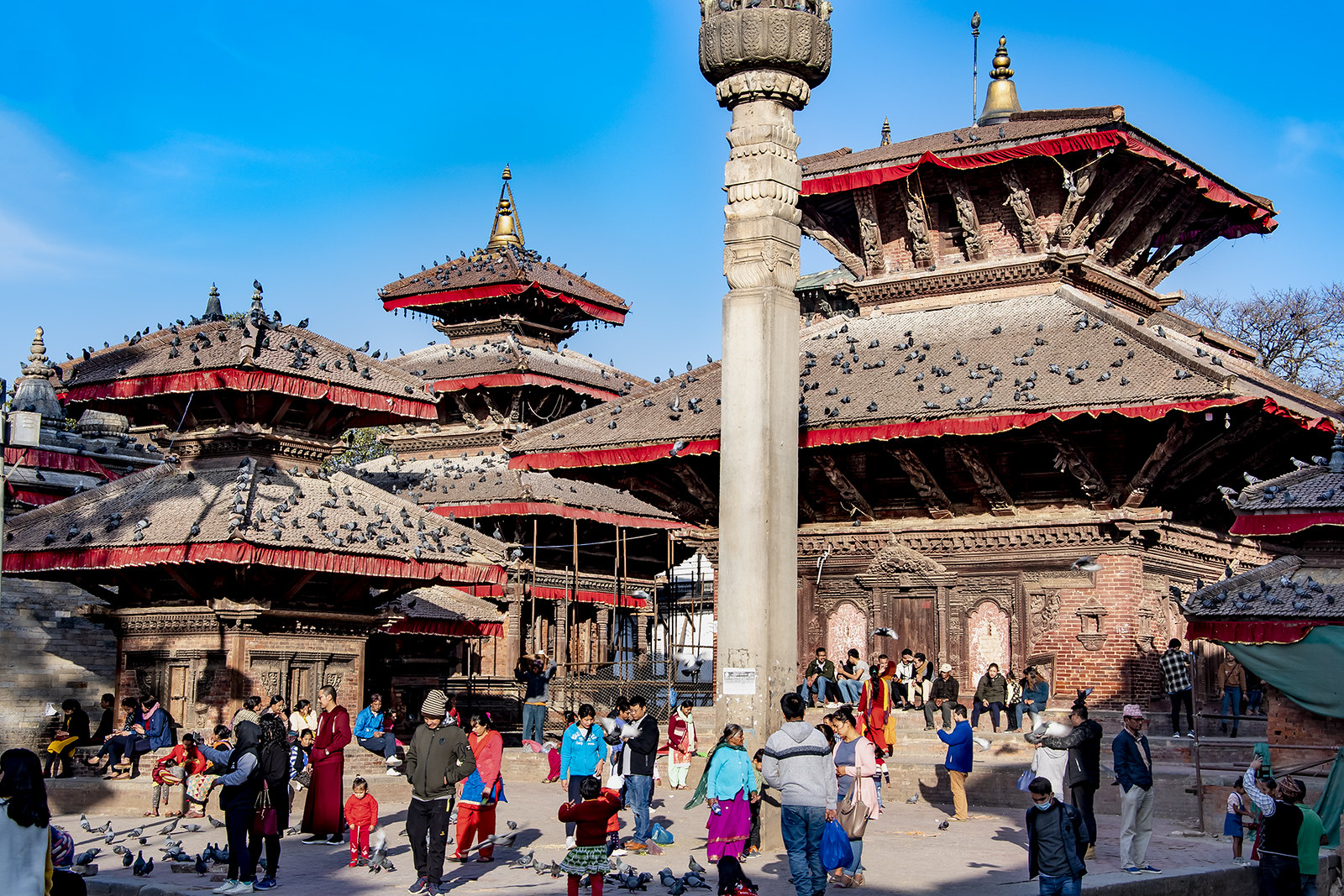
We will be visiting major sites like, the Bouddhanath Stupa, Swyambhunath Stupa also famously known as the Monkey Temple, and other important monasteries and sacred sites like the Namobuddha, Pashupatinath Temple (The largest open cremation ground in the world) which might come as a cultural shock to many first-timers.
This is a perfect day for you to immerse yourself into the local culture, vicinity and people before you see off and do any last-minute souvenir and Buddhist art shopping.
Day 11: Departure
This is the final day of your Buddhist Pilgrimage tour in Nepal. You wake up, have your breakfast, check and pack your belongings thoroughly and then step out. A ride will be managed priorly for smooth transfer of yours from hotel to airport.
Accommodations
You will be staying in comfortable, well-located hotels and resorts chosen for their peaceful atmosphere and proximity to the sacred sites. The tranquility hits just different.
In Kathmandu it will be a 3-star or 4-star boutique hotel with modern facilities whereas in places like Halesi it will be a comfortable resort.
In Chitwan it will be an Eco-resort inside or near the national park, and in Lumbini it will be a peaceful hotel near the sacred Garden and in Trishuli it will be a scenic Riverside resort.
Do keep in mind the fact that all the accommodations are on a twin-sharing basis. Single supplements are also available.
Meals
You will have a daily breakfast at the hotel whereas lunch and dinner will be at selected restaurants or hotels with a mix of Nepali, Indian, Chinese and continental cuisines.
You would be happy to hear that special vegetarian, Jain and Buddhist-friendly meals options are also available on request.
You will be given a farewell dinner with cultural programs a day before your departure.
Transportation and Guidance
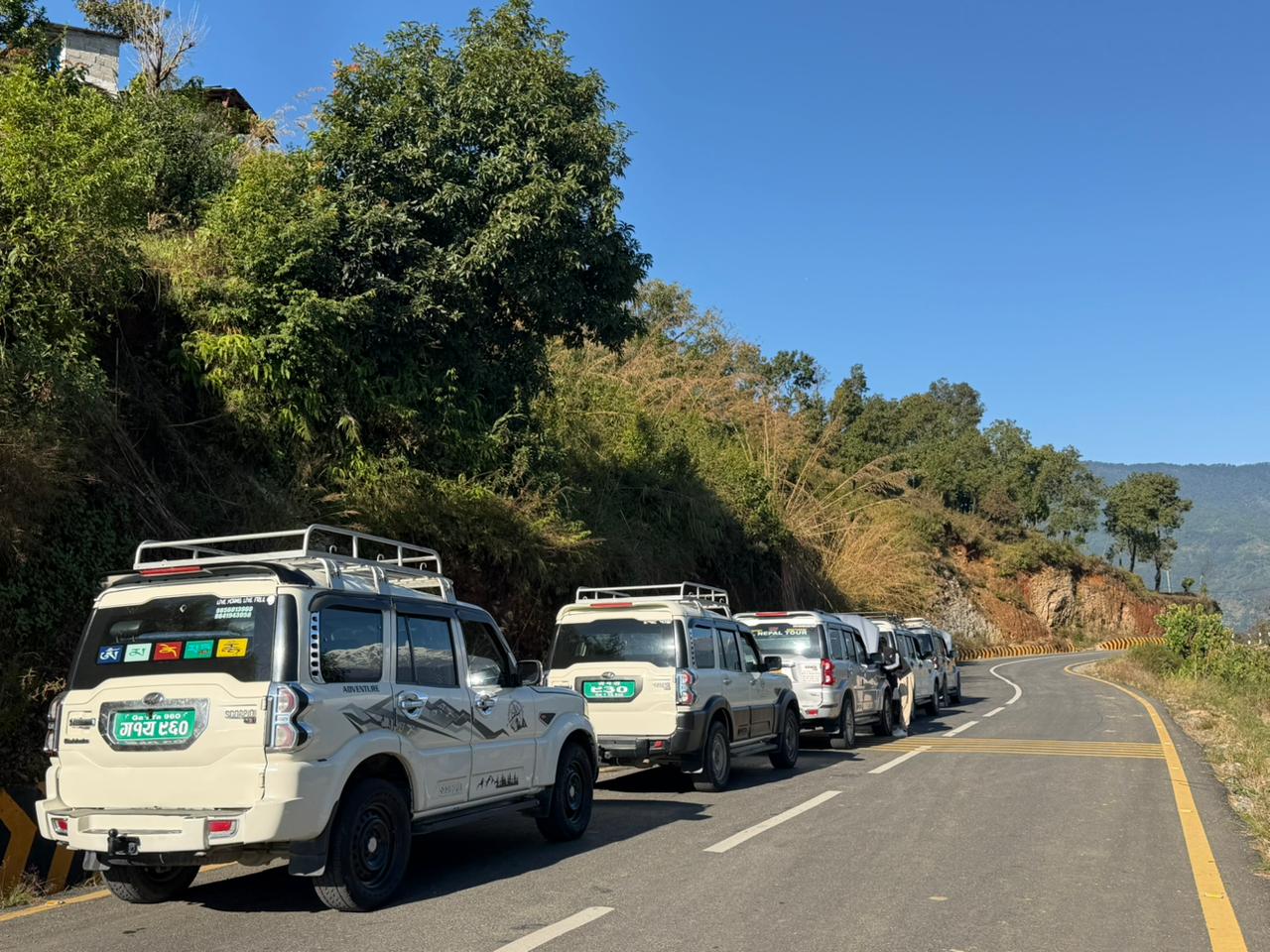
You don’t need to worry how it will go or if it will be of any hassle as all the transfers and sightseeing by private air-conditioned vehicle will be made available to you.
If you want to save time and reduce the durations of travel during this visit. You can also request for domestic flights.
For your communication an experienced, well-speaking driver will be assigned with whom you can communicate fluently and who will also offer you very smooth communication and details about the sites.
Travel Insurance, Visa and liability
The company is not responsible for any loss, injury or damages caused by unforeseen events and natural causes, which is why it’s recommended for you to have a good insurance coverage before you embark on your trip that covers any sorts of accidents, emergencies and help required.
As per the visa, travelers are responsible to obtain a valid Nepal visa by themselves.
Many nations often have the provision of on-arrival visas for a Nepal trip.
Reason to undertake this tour
- This trip is a balanced itinerary combining major Buddhist sites with relaxation and recreation.
- An emphasis on spiritual depicted knowledgeable guides.
- Comfortable pace suitable for senior travelers and families.
- Eco friendly and responsible tourism practices.
- Full customization available according to your faith, interest and schedule.
Physical requirements/Fitness level
This tour is easy to moderate and suitable for most travelers, that includes seniors and families as no high altitude trekking is involved, the maximum elevation is around 1500m at Halesi and most activities involve gentle walking around the religious sites for usually around 1 to 3 hours per day, and mostly on flat grounds or gentle sloping paths, so it won’t be a situation of emergency or any sorts of physical uneasiness.
But keep in consideration the fact that you should be in good health and able to walk for a few hours at a time. And the good thing is you don’t need previous trekking experience.
Note: Even if the trip isn’t much of a strenuous trip, travelers with lung or heart conditions should consult their doctor before traveling as it requires one to three hours of working as mentioned above.
Packing list
Essential items
- Passport and Nepali visa documents (Photocopies)
- Comfortable walking shoes or sneakers.
- Modest clothing (shoulders and knees should be covered for temple visits).
- Light jacket or fleece, evenings can be cold.
- Rain jackets in real life, especially in the months of May to September.
- Sunglasses, hat and sunscreen.
- Reusable water bottles
- Personal medications and basic first-aid kit
- power adapter type C and D + power bank.
Recommended
- Comfortable cotton or Quick-dry clothes.
- A small day back for sightseeing
- Shoulder scarf (usually for temple visits)
- Toiletries and hand sanitizer.
- Insect Repellent (for Chitwan)
- Camera/binoculars.
- Light scarf or prayer shawls for spiritual ceremonies.
- Snacks on personal items.
Note: Dress modestly and respectfully when visiting temples and monasteries.
Best time to travel
Peak seasons (recommended)
- Autumn (September to November): Best overall, clear skies, pleasant temperatures, 15 to 25°C excellent visibility. Ideal for spiritual sightseeing and photography.
- Spring (March to May): Very popular warm weather, blooming flowers and vibrant landscapes. Perfect for visiting Lumini and Halesi.
Good seasons
- Winter December to February: Cool and dry days with fewer crowds. Great for peaceful temple visits though mornings and evenings can be chilly.
Off seasons
- Monsoon (June to August): Hot and humid with frequent rain. Roads can be slippery and views can be limited. So it is only recommended if you prefer low crowds and lower prices.
As for October, November, March and April, these are the best months overall.