Overview
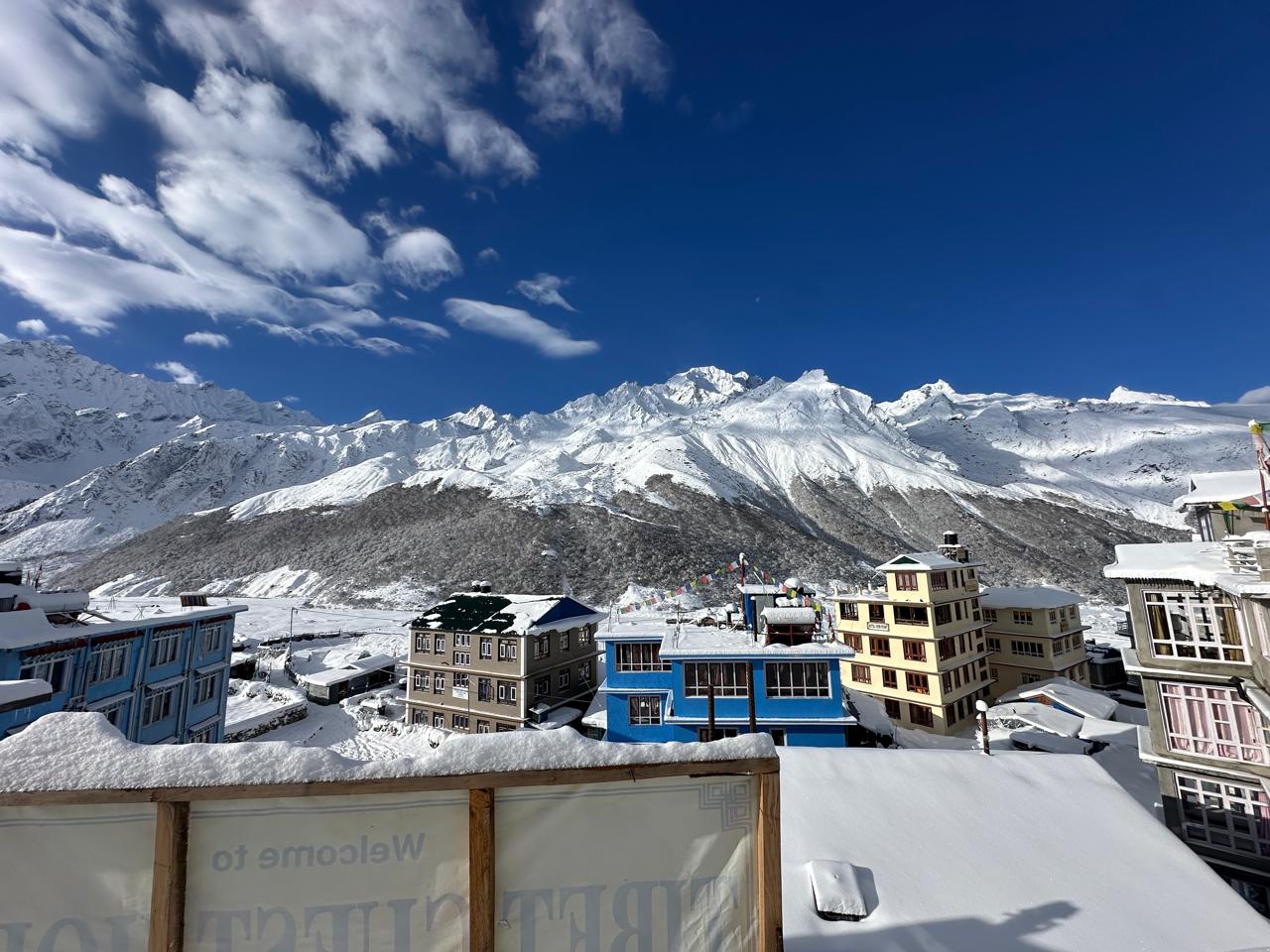
On this blog, today we’ll be talking about different topics regarding the Langtang Valley Trek. From elevation details to fitness requirements, general itinerary, weather, and preparation tips, this blog will guide you and help you plan your trip in advance, making it an easier and less complex task.
Altitude and Adaptation
The trekking trip of the Langtang Valley is one of a kind, unique and most importantly a high-altitude trek which is why important to know about basics of altitude so we can deal with the challenges.
Acute Mountain Sickness (AMS): So what usually hapens is we initially start from Syabrubesi (1,550m) and incline towards Langtang Village and it’s at an elevation of around 3,430m and since it’s rise in elevation more than twice which is why we’ll be needing a session of acclimatization.
Max.elevation: Our trek ends at Kyanjin Ri (4,773m/15,659 ft), it’s a optional trip to there but is very highly recommended as it’s a popular viewpoint.
As for our stay overnight we’ll be settling down at the Kyanjin Gompa (3,870m/12,697 ft)
The effect of global shift in climate due to global warming can also be seen here, as a result climate can sometimes get unpredictable potentially altering schedules which is why we suggest you to preplan flexible schedules for mountain trips like this.
Itinerary outline
| Day | Route | Altitude |
|---|---|---|
| Day 1 | Kathmandu → Syabrubesi | — |
| Day 2 | Syabrubesi → Lama Hotel | 2,470m / 8,103 ft |
| Day 3 | Lama Hotel → Langtang Village | 3,430m / 11,255 ft |
| Day 4 | Langtang Village → Kyanjin Gompa | 3,870m / 12,696 ft |
| Day 5 | Acclimatization Day (Kyanjin Gompa) | Kyanjin Ri: 4,773m / Tserko Ri: 4,984m |
| Day 6 | Kyanjin Gompa → Lama Hotel | 3,870m → 2,470m |
| Day 7 | Lama Hotel → Syabrubesi | — |
| Day 8 | Syabrubesi → Kathmandu | — |
Fitness Requirement for the trek
Since we are talking about the mountain trip that involves walking in at 4,000m to almost 5,000m you’ll be needing a solid cardiovascular endurance, muscle strength along with mental resilience as someone who is not mentally resilient this trip isn’t for them as panicking in tough condition worsens the situations.
Lets talk about what you’ll need to do to be fit for this trip:
Muscular strength: This is one fo the major component of the trip, if your muscles cant bearthe strain and pull your bdy to the elevation than you can’t make the trip for sure which is why you’ll need to be on a training session that comprises of 5-7 hours of hiking per day for almost 2 weeks along with 2-3 months of aerobic and proper workout.
The requirement is not gym muscles but functional strength through exercises like lunges, squat, and weights backpack climbs as it help simulatethe pressure on body from the mountain surrounding and help body adapt once in the mountain.
For instance if you watch a Sherpa, than their survival doesn’t depend on bulk muscles rather depends on their functionality.
Cardiovascular endurance: When at such altitude body works out overtime and extra as your heart beats to keep the oxygen supply consistent but if your cardiovascular strength is not up to the notch as required for the altitude than you might get gassed out easily which is one of the major cause behind altitude sickness.
Suggested training moves: So, aim to build up endurance through simulated training practices like stair climbing, running uphill and if possible with weighted backpack better with stones.
Trek Duration and distance
Let’s talk about watches and compasses.
Since the destination of the trek or let’s say the trail is in the neighbouring district from the capital i.e Rasuwa it doesn’t take log to reach the trail which saves a good time and shortens the duration of the trek hence it uusaly takes around 7-9 days in general as per the usual itinerary and differs incase of tailor-made or upon requests.
Counting from the day we start we’ll be covering 65-70km (40-47 miles) at maximum as a round trip which is quite a bit short from the trek and it’s also one of the best thing of the trek in itself for those who are short on time but stil want and have the desire to experience the typical Earthy scent of the nature while standing near to the vicinity of the Himalayas.
Now you might think since it’s just a week long if not 9-10 days long at best you won’t have much of effort on trek but trip from Syabrubesi to Lama Hotel is often flagged as most grueling for feet as per the trekkers who have been on this trek.
So, just as advised above train your feet well as this day requires you to be on foot for quarter of a day tha too on a steep ascend.
Langtang Weather quirks
It’s high elevation place, temperatures are low usually which adds a layer of challenge in itself.
Also the time determines the weather and temperatures as it might get warm and also unpredictable icy winds on day but notoriously biting cold as night approaches.
Usually on winter the temperature at Kyanjin Gompa can drop to -10°C to -15°C (14°F 5-10°F) easily. As for the winds sudden snowstorms even in peak season is a kind of common occurrence oftentimes halting the pass and progress.
Trail and Topography conditions
Speaking of the region, it’s necessary to talk how it will be above our head and under our feet. So let’s breakdown.
Terrain: The path where we’ll be walking will be most likely as combo or let’s say a blend of roy moraines, dirt tracks surrounded by forests along with staircases and suspension bridges that are usually above fast flowing and gushing rivers.
Sections as mentioned before often include post-landslde portions which can make the trails narrow and exposed.
So before you get there read and research well and do spend money on quality boots.
Ofen times weather and seasons are the main factor that determine the condtinos of trails so lets talk about their impacts.
Monsoon (Jun-Sep): It’s often recommended to avoid this season for major trails as the risk of natural calamities and instability on trail is higer compared to other seasons. It’s also an offseason and it means teahouse and service provider are usually limited hence even menus get limited and you might need to make several adjustments as you are left with limited options and besides all the reasons the
Trail after rain just filled with leeches and is slippery, so best to avoid.
Winter (Dec-Feb): As for th winter it’s like almost no chance and recomened to trek under normal preparations as it requires advance level of preparation and training just to even walk on trails as the trail are frozen and just covered with glassy layer of ice on it addition to the pile of snow making you lose the grip until and unless yo have high quality crampons and miro-pikes combined shoes.
Teahouse are limited and with constant waves of cold breeze that reflected after crashing on icy walls of mountains.
It’s not like not recommended but only if you are well prepared on every level.
Spring (March-May) & Autumn (Oct-Nov)
These are basically the friends of trekkers. Clear sky, crisp visuals, a weather when you can trek on your short or trousers as per your comfort cause it’s neither too hot nor too cold and since you have that freedom you get a different kind of energy and enthusiasm in your body that heps you do the trek smoothly hence these seasons are highly recommended for anyone seeking to trek.
Vital preparation Tips
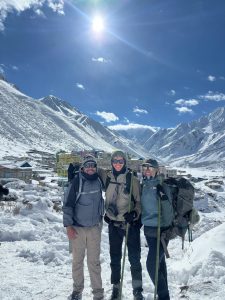
Let’s walk through some of the important tips which are also lifesaving tips for this trip.
Physical Conditioning: if you’re thinking of starting this trip anytime soon than better be if the trip is after 3 months as this trip demands at least 90-days worth of preparation leading to buildup comprising of exercises like long runs, cycling, leg strengthening, weight bearing and climbing which all lead to building up and improving your endurance.
Invest proper and good time for this cause this is something you an start long before the trip unlike acclimatization that requires on trail time for adaptation.
Gear: Next is gear investment. Use your money wisely on quality products even if costly cause along with your body and mind, the durability and endurance of your gear too is very essential as the best durable gear helps make the trip smooth.
Acclimatization: Choose your itinerary that focuses on acclimatization and recovery day in Kyanjin Gompa and makke good use out of those 24 hrs like involving in additional hiking to Tserko Ri or Kyanjin Ri and get back as it elevates your physique to adapt better the next day on the elevation you gain through this trip and rule of “Climb high, Sleep low”.
Travel insurance: Among all of those other factors this is the most essential factor to take in consideration, you know why?
No matter how good gear is, no matter how well you acclimatized or what physical conditioning and shape you are in altitude sickness hits outta nowhere even to the fittest and experienced trekkers and when it does and situation starts going south the only choice and option to stay alive is helicopter evacuatin cause no vehicle is coming up there.
So it’s mandatory for trekkers to issue an insurance that covers “Emergency helicopter rescue” upto 5,000m including trekking related medical expenses.
Guide hiring: This is what determines your input and output of the trip. For new trekkers or those unfamiliar with high-altitude trekking in Nepal hiring a licensed guide is highly rcond as they are the one who saves lives, calls for emergency rescue services when life is on the line. So it’s a safety net worth of investment.
Emergency contingency Days
Despite the short duration nature of the trek do not forget to add couple of extra days for contingency as things might not go planned all the time. So to deal with it, recover and make up for loss pre-plan the contingency days.
Additional Notes
Always carry your personal stuffs with you.
Have your personal medicines in adequate quantity as the delay or weather might affect it incase.
Segregate small amount and denominations in local currency equivalent to $30-$50 as it makes the transactions easier in higher altitude for things like device chagrin, hot showers and wifi.
Withdraw necessary amounts on major hubs as the atm’s are limited or almost non-funtional on higher altitud and cash is all that works.
Conclusion
Should i take this trip?
If you’re short on time and preparation and still want to taste and feel the serenity of the high-altitude vicinity along with the panoramic view, sunrise and sunsets on the way to the destination and have an authentic experience of life while staying on teahouses and taintg the local delciaices and sharing stories and cultures with local and hospitality than without a second thought this a trip for you
FAQs
Why is altitude concerned the major factor for hardship?
Elevation is the biggest hurdle because:
- The relatively fast ascent increase the probloty of Acute Mountain Sickness (AMS)
- Levels of oxygen at Kynajin Gompa are roughly 40% as compared to the sea level.
- Well-adjustement as per the necessary elevation increase is to be scheduled that cannot be rushed.
- Elevation affect each person differently, regardless of their physical conditon.
Why should i hire guide if it’s not a restricted area?
You should consider hiring a guide as you get assistance in:
- Navigation throughout the trail and poor weather.
- They are expert in elevation management.
- Help you deal with local culture and translation removing the barrier of communication adn misunderstanding.
- They are your logistic patents helping you reduce the load
- A company through out the trip that provides a sense of assurance and safety.
How can I best prepare for the Langtang Valley Trek?
Follow the given guidelines to do a better preparation:
- Indulge yourself in a 90-days pre-workout and conditioning comprising of activities like cardiovascular workouts, breathing technique, overall physical strengthening exercise and do hikes with pracise of carrying load on your back.
- Buy proper and premium quality hiking gears, from shoes, socks and crampons to sleeping bags.
- Don’t rush, select itineraries that provide enough gap and time fro adjustments for acclimatizations.
- Mentally prepare yourself to avoid panic during situations like unexpected avalanche, altitude sickness and severe fatigue.
- Well-experienced, highly-professional, fit and fluently-communicative guides are highly recommended regardless of cost for best safety and services.
What is the overall difficulty level of Langtang Valley trek?
The Langtang Valley trek is classified as a moderately difficult excursion, is presence notable challenges comprising of several ups and downs and unstable weather patterns, but still entirely attainable for individuals with adequate physical preparation and conditioning.
When is the best time for the Langtang Valley trek?
The ideal time for Langtang Valley trek Spring (March-May) which is a pre-monsoon and next is the post-monsoon ( October to November) these time are clear, easier with safer trails alon with clear views of mountain panorama and sable weather making hurdles manageable.
Where are the most difficult portions of the Langtang Valley trek?
The challenges on the trail includes:
- Syabrubesi to Lama Hotel which is a steep Climb on the second day.
- The other one is Thangsyap to Langtang Village
- And the final is trail leading to Kynajin Gompa
Reaching Kyanjin Ri (4,773m) is also ery strenuous but this depends on the individual as it’s an optional one
Why is Langtang Valley Trek difficult in comparison to other trekking trips?
So, while significantly lower on elevation scale compared to major routes like Annapurna Circuit and Everest treks, the challenge for Langtang rises form the ruggednessof the trail that is still recovering from the seismic events, and potential weather conditions the might get harsher wirth elevation gains and unpredictability which is a compact from while limiting it to short span for trekking.
How long would it usually take to complete the Langtang valley trek?
Usually it last almost 10 days at max counting the day of arrival and stay at capital for preparations and a week atleast for just actual trekking as it covers 65-70 km through the rugged ups and downs of the trails.
What are the risks of altitude sickness on this trek?
The risk of AMS is notable due to the rapid ascent rate. Trekker’s symptoms can vary from mild headaches to severe life-threatening medical conditions. A properly structured itinerary with sufficient acclimatization days is suggested for safety.
Why is travel insurance mandatory for this trip?
The The comprehensive travel insurance covers high altitude excursions and emergency rescue, which is absolutely critical for both safety and financial protection as the emergency helicopter evacuation from high-altitude areas can sometimes range between $5000 to $10,000.
How cold does it get during the Langtang valley trek?
Temperature fluctuates greatly depending on the season and altitude. At Kyanjin Gompa (3,870m), the nighttime temperatures can fall between -10°C and -15°C (14°F- 5°F) during winter months, whereas daytime temperatures might reach 10°C- 15 °C (50°F to 59 °F) in the sun.
What about the fitness level requirements for the Langtang valley trek?
So you must possess a strong cardiovascular endurance, leg strength and stamina. The capability to hike 5 to seven hours per day continuously with a 10 to 15 Kg pack over your on a steep terrain on your back is recommended. If you have prior multi-day hiking experience it is highly beneficial.
Where does Langtang valley trek start and how do I get there?
The Langtang valley trek begins with 7-9 hours by vehicles and is situated at about 7 to 9 hours by vehicle from Kathmandu.
As for the transportation, the route will follow the Trishuli Highway before transitioning into a steep, winding mountain road to reach the trailhead at 1550m elevation.
How difficult is inclination of Kyanjin Ri?
The accent of Kyanjin Ri is often times viewed as strenuous, Involving a 700m vertical climb, often over snowy and icy paths, To reach the elevation of 4,773m. The round trip requires 4-5 hours with an early morning start, but rewards hikers with breathtaking 360 degree views of the Langtang Himalayas.
In winter what makes Langtang Valley trekking more difficult?
Obvious challenges like the altitude. Sub-zero temperatures, icy trails that often requires technical retraction gears beside potential closures of certain teahouses causing shortage of services and shorter daylight hours and also trail closure in case of snowstroms leading to blockage on trails.