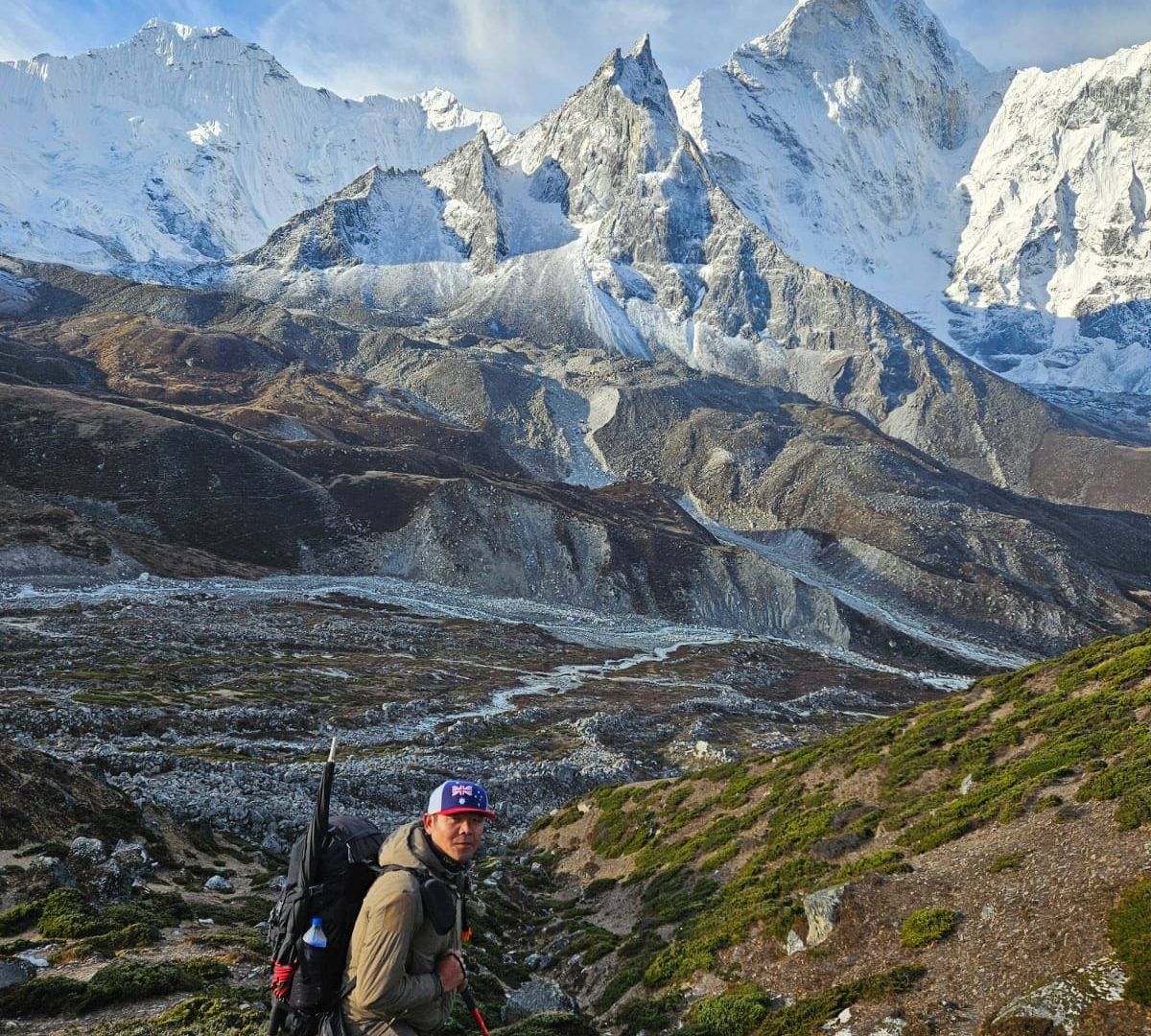
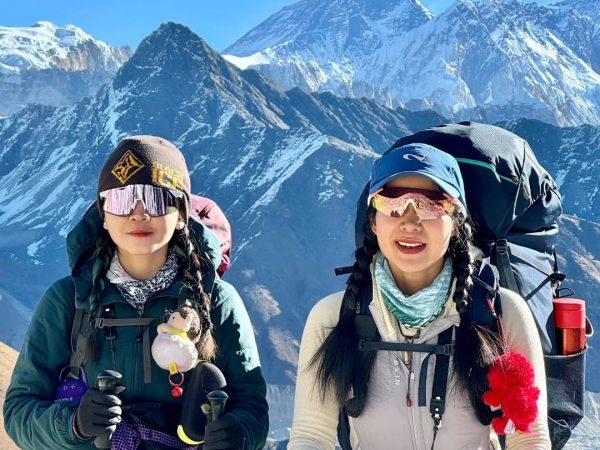
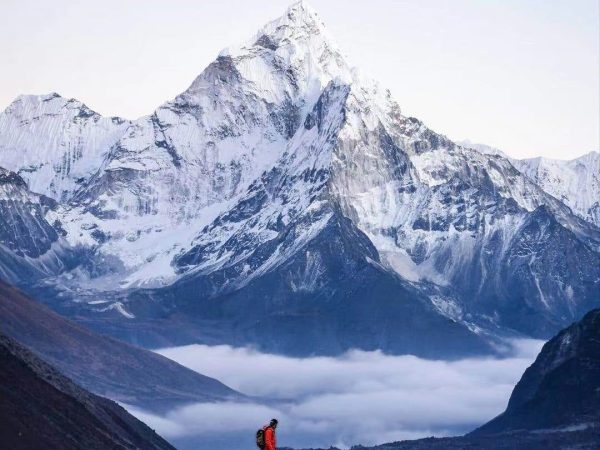
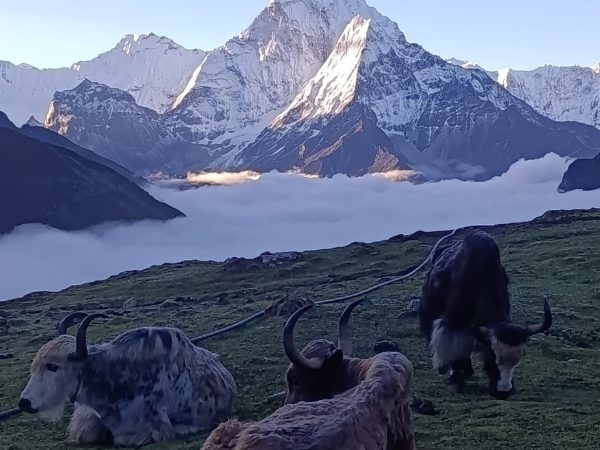
The Everest Base Camp via Gokyo trek stands as one of Nepal’s most spectacular and challenging treks in Nepal, offering adventurers an extraordinary journey through the heart of the Himalayas.
Duration: 18 Days
Best Time: Spring and Autumn
Trip Grade: moderate
Start from Kathmandu and End to Kathmandu
Min 2 to Max 10 Pax in a group
Domestic Flight and Private Vehicle
Meals: Breakfast, Lunch and Dinner
Accommodation: Teahouse
Highlights
Stunning sunrise and 360° panorama from Gokyo Ri and Kalapathar
Cross the dramatic Cho-La Pass, one of Khumbu’s most scenic high passes
Discover the holy Gokyo Lakes, Nepal’s highest freshwater lake system
Explore the world-famous Sherpa towns: Namche Bazaar, Khumjung & Pangboche
Reach the legendary Everest Base Camp (5,364 m)
Walk alongside the massive Ngozumpa Glacier—the longest glacier in the Himalayas
Experience Buddhist monasteries, vibrant Sherpa culture, and peaceful alpine valleys
Journey through Sagarmatha National Park, rich in wildlife and ancient traditions
Overview
The Everest Base Camp Trek via Gokyo Lake is one of Nepal’s most spectacular high-altitude journeys—an epic Himalayan adventure that blends the pristine beauty of Gokyo’s turquoise lakes with the legendary Everest Base Camp trail. This route offers a quieter, more scenic alternative to the classic EBC trek, taking you across the dramatic Cho-La Pass (5,367 m) and to the breathtaking viewpoints of Gokyo Ri (5,357 m) and Kalapathar (5,545 m).
At Himalayan Guide Treks Pvt. Ltd., we design this trek for trekkers seeking deeper exploration, panoramic mountain views, and authentic Sherpa culture. With our certified local guides, reliable logistics, and safety-first approach, you can enjoy Nepal’s most iconic adventure with comfort and confidence.
Who This Trek Is For
This trek is ideal for:
Adventurous trekkers seeking a more scenic and less crowded variation of the classic EBC trail
Trekkers with good fitness who prefer longer, high-altitude journeys
Nature lovers wanting the best panoramic views in the Everest region
Those prepared to cross a technical but non-technical high pass (Cho-La)
Anyone seeking an immersive cultural, scenic, and challenging Himalayan experience
Trek Difficulty Level
Difficulty: Moderate to Challenging
You will walk 5–7 hrs per day, cross icy moraines, and summit high viewpoints. The Cho-La Pass demands good balance and stamina, especially in snowy conditions.
With proper acclimatization and our expert guides, this trek is safe for anyone with:
Reasonable fitness
Previous trekking experience (recommended but not mandatory)
Positive attitude
Best Time to Trek
The finest seasons for the Everest Base Camp via Gokyo trek are:
✔ Spring (March–May)
Rhododendron forests bloom
Clear skies and warm days
Stable weather for high pass crossings
✔ Autumn (September–November)
Crystal-clear visibility
Best views of Everest, Lhotse, Cho-Oyu & Makalu
Perfect trekking temperatures
✘ Not recommended: June–August (monsoon), late winter heavy snow
Required Permits
Our team obtains all permits on your behalf:
Sagarmatha National Park Entry Permit
Khumbu Rural Municipality Permit
No special climbing permits are required for Gokyo or Cho-La Pass.
Accommodation & Meals
This trek is teahouse-based with comfortable lodge accommodation:
Accommodation
Twin-sharing mountain lodges with clean rooms
Warm dining halls and Sherpa hospitality
Hot showers available in many villages (extra cost)
Meals
You will enjoy fresh, hygienic meals including:
Dal bhat (traditional Nepali energy meal)
Soups, noodles, pasta, momos
Eggs, potatoes, rice, curry
Tea, coffee, hot drinks
We also offer vegan, vegetarian, and gluten-free meal options on request.
Transportation / How to Reach the Starting Point
Early morning scenic flight from Kathmandu to Lukla (2,820 m)
Return flight from Lukla to Kathmandu
All airport transfers included
Flights offer beautiful views of the Himalayas—weather-dependent.
Altitude Profile & Acclimatization Notes
This trek includes multiple high points above 5,000 m:
Gokyo Ri – 5,357 m
Cho-La Pass – 5,367 m
Everest Base Camp – 5,364 m
Kalapathar – 5,545 m
To ensure safe acclimatization:
Two acclimatization days (Namche & Gokyo)
Gradual elevation gain
“Climb high, sleep low” approach
Slow and steady walking pace
Our guides monitor your health daily using:
Oxygen saturation checks
Heart-rate monitoring
Altitude sickness assessment
Weather & Packing Tips
Weather Conditions
Expect:
Clear mornings, colder evenings
Temperatures ranging from +15°C (day) to -10°C (night)
Deep understanding of local culture, routes, and mountain conditions
Authentic Himalayan experience with a warm Nepali hospitality
Your dream Himalayan journey deserves expert hands—and we deliver exactly that.
Outline Itinerary (Day-by-Day Summary)
Day 01: Arrival in Kathmandu Day 02: Kathmandu sightseeing & trek preparation Day 03: Fly to Lukla & trek to Phakding Day 04: Trek to Namche Bazaar Day 05: Acclimatization day in Namche Day 06: Trek to Dole Day 07: Trek to Machhermo Day 08: Trek to Gokyo Lake Day 09: Hike Gokyo Ri & trek to Thagnak Day 10: Cross Cho-La Pass & trek to Dzongla Day 11: Trek to Lobuche Day 12: Trek to Everest Base Camp & return to Gorakshep Day 13: Hike Kalapathar & trek to Pangboche Day 14: Trek to Namche Bazaar Day 15: Trek to Lukla Day 16: Fly back to Kathmandu Day 17: Contingency / free day in Kathmandu Day 18: Final departure
Itinerary
If you want tailor-made trip or want to personalize this itinerary, just feel free to contact us. We are always there to help you to make your holiday plan. Contact us
Inclusions
What's included
International and domestic airport pickup and drop-off services
All meals during the trek with teahouse accommodation in rooms with attached bathrooms (where available)
Kathmandu–Lukla flight tickets
All necessary trekking permits, including National Park entry and Pasang Lhamu Rural Municipality fees
Guide and porter insurance, including meals and accommodation
Experienced, English-speaking trekking guide
Basic first-aid and medical kit
Use of sleeping bag, duffel bag, down jacket, and trekking poles (to be returned after the trek)
Emergency helicopter evacuation arrangement (costs to be covered by your travel insurance)
All required paperwork and applicable government taxes
Farewell dinner in Kathmandu
Himalayan Guide Treks T-shirt
Add-ons
A porter: a porter is assigned for 2 trekkers and carries upto 20 kg
What's not included
International airfare
Nepal travel visa fees
Personal medical and travel insurance (must cover emergency helicopter evacuation)
Porter service (one porter can be shared by two trekkers)
Tips for guide, porter
Personal trekking gear and equipment
Personal expenses such as laundry, charging, Wi-Fi, and hot showers
Hotel accommodation in Kathmandu
Lunch and dinner in Kathmandu
Beverages, including soft drinks and alcoholic drinks
Any other expenses not specifically mentioned in the “Includes” section
Frequently Asked Questions
1. How difficult is the Everest Base Camp Trek via Gokyo?
It is moderately challenging with one high pass. Good fitness is required, but no technical climbing experience.
2. How long is the trek?
18 days total, including sightseeing and contingency days.
3. Do I need prior trekking experience?
Helpful but not required. Our guides support beginners and experienced trekkers alike.
4. What is the accommodation like?
Clean teahouses with warm dining areas, twin rooms, and hearty meals.
5. Is the Cho-La Pass dangerous?
It’s steep and icy in parts but safe with proper guidance. Our team crosses it regularly.
6. What happens if the Lukla flight is delayed?
We keep an extra buffer day in Kathmandu. Changes are handled smoothly by our team.
7. Can vegetarian or vegan meals be arranged?
Yes! Nepal is vegetarian-friendly, and we arrange vegan options as well.
8. Do I need to carry my own bags?
No. Porters carry your main luggage. You only carry a light daypack.
9. What is the best month for this trek?
March–May and September–November offer the best weather and views.
10. Is drinking water available?
Yes. Bottled or boiled water is available, but we recommend purified water for sustainability.
11. What if I feel altitude sickness?
Your guide will monitor your symptoms. Rest days, slow ascent, and emergency evacuation are arranged if needed.