Introduction
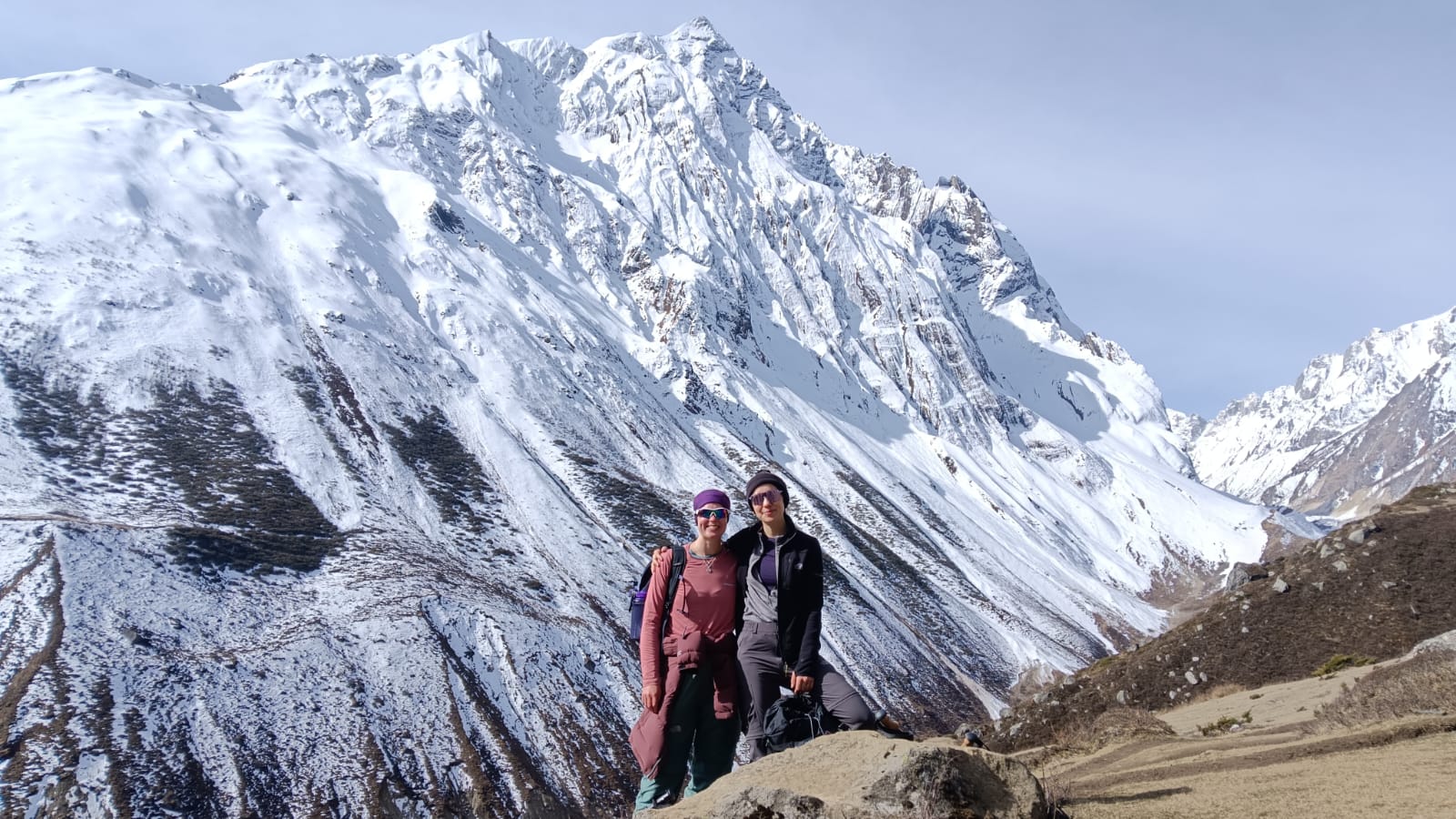
There’s a certain kind of silence you don’t experience until you’re deep in the Himalayas. Not the quiet of a library or a late night in the city, but the kind that comes from a distance, altitude, and absence. No traffic. No background noise. Just wind, footsteps, and the occasional echo of a river cutting through a valley.
That’s the kind of environment the Manaslu Circuit Trek drops you into.
Circling Mount Manaslu (8,163m), the eighth-highest mountain in the world, this trek isn’t just about scenery, but rather more about immersion into a part of Nepal that still feels relatively untouched. Villages with strong Tibetan cultural roots, long suspension bridges over deep gorges, and a gradual shift from lowlands to cold alpine terrain define the journey.
But before any of that happens, there are some hurdles most trekkers deal with:
Overview of Manaslu Circuit Trek cost in 2026/27
Let’s dive into the overall cost of the Manaslu Circuit Trek in 2026/27. It can be understood by looking at the type of experience you are aiming for. Budget travellers who are willing to keep things simple and share resources often spend on the lower end, while those seeking more comfort or private arrangements naturally fall into higher price ranges. Most trekkers, however, settle into a middle ground where the balance between cost and experience feels reasonable.
In practical terms, the trek usually costs between USD 1,100 and USD 1,500 for a standard experience that includes a guide, accommodation and meals. This range reflects what most people choose, as it provides a manageable level of comfort without pushing into luxury pricing. Costs rise when services become more personalised, the group decides to shrink, or additional conveniences are added.
The final amount you explained depends on several factors, including whether you book a full package or organise things differently. The size of the group, the season you travel in and how much comfort you expect along the trail. Understanding these factors helps you control your budget rather than reacting to costs as they appear.
Permit costs: The Non-Negotiable Expenses.
One of the defining aspects of Manalsu Circuit Trek is its restricted status, which means permits are not optional but rather a required part of the journey. These permits exist to regulate tourism, protect the environment and preserve the cultural integrity of the region.
The largest portion of the cost comes from the Restricted Area Permit, which varies with the season and trip duration. During peak months, such as autumn, the permits are more expensive, while off-season rates are slightly lower.
Additional conservation permits are also required as these trails pass through both the Manaslu and Annapurna conservation areas.
Altogether, trekkers typically spend between $160 and $250 on permits alone. The cost remains consistent regardless of how you plan your trek, and is one of the few fixed elements in your overall budget. While it adds to the total, it also ensures that the region remains less crowded and better preserved and offers more open trekking routes.
Guide and porter costs: Required Support System
Unlike many trekking routes in Nepal, the Manalu Circuit requires every trekker to be accompanied by a licensed guide. This rule is strictly enforced, and while it increases the overall cost, it also adds a layer of safety and support that becomes incredibly valuable as the trek progresses.
A guide typically costs between $30 and $40 per day, and over the course of a standard two-week trek, this adds up to a significant portion of the budget. Many trekkers also choose to hire a porter, whose role is to carry heavier loads, making the physical demands of the trek more manageable. Porter costs are slightly lower per day, but over time, they also contribute notably to the total.
While this cost may initially seem like an added burden, they often enhance the experience. Guides help with navigation and communication and pacing, while porters allow trekkers to focus more on the journey itself rather than the weight on their backs. In remote and high-altitude environments, this support often feels less like a luxury and more like a necessity as they literally act as a lifeline and lifesaver when the time gets tough in the elevation that high.
Transportation costs: Getting to and from the trail.
Reaching the starting point of the Manaslu Circuit trek involves a long overland journey from Kathmandu to Machha Khola. The root conditions vary, and the journey itself becomes a part of the adventure, gradually transitioning from urban landscapes to rural valleys and winding mountain roads.
Travellers can choose between local buses, shared jeeps, or private vehicles, each offering a different balance of cost and effort. Local buses are more affordable options but can be crowded and less predictable, while shared Jeeps offer a more comfortable middle ground. The private jeeps provide the highest level of convenience, but come at a slightly higher cost unless shared among a group.
The return journey from the end of the trek follows a similar pattern, usually involving a combination of Jeep and bus travel. Overall, transportation remains a relatively small portion of the total cost, but it always plays an important role in shaping the overall experience, especially at the beginning and the end of the trip.
Accommodation costs: Teahouse Living
Accommodation along the Manaslu circuit is based entirely on teahouses, which are simple lodges run by local families. These teahouses provide basic rooms, usually with twin beds and shared facilities, and serve as both resting places and social hubs for trekkers.
The cost of accommodation increases gradually with altitude, reflecting the difficulty of transporting supplies to the higher regions. In the lower sections of the trail, rooms are very affordable, while higher up, prices rise slightly but remain reasonable overall.
Across the entire trek, accommodations cost typically remains within a modest range, making it one of the less expensive components of the journey. However, the simplicity of these lodges means that comfort is a basic expectation that should be adjusted accordingly. What they lack in luxury, they often make up for with warmth and authenticity.
Food and drinks: The Largest daily expenses.
Food becomes one of the most significant daily expenses during the Manaslu circuit trek. As you ascend, the cost of meals increases because all supplies must be transported manually or by pack animals into remote areas.
Meals are generally simple but designed to provide energy for long days of walking. Prices rise steadily with antitrust, making food one of the most variable and noticeable costs throughout the trek.
Over the full duration, food expenses can add considerably, often forming one of the largest portions of the total budget. Despite the simplicity of millions, they play a crucial role in maintaining energy and endurance, making them an essential investment rather than an optional expense.
Hidden costs: Small but noticeable.
Beyond the primary expenses, several smaller costs can generally add up over the course of the trip. These include services such as Wi-Fi access, device charging and Hot showers, all of which are priced separately at most tea houses.
While each cost is relatively small, the cumulative effects can become noticeable if used frequently. Many trekkers underestimate these expenses when planning their budget, only to realise later that they have spent more than expected on these extras.
You might oftentimes feel liek why eve charge moneyfor charging something as small as mobile phone, but it takes effort and time to provide electricity in the region so you can charge your gadgets which is why there’s a charge due to the reason.
Being aware of this cost in advance allows you to make conscious choices about where to spend and where to save, helping you maintain better control over your overall budget.
So keep track of your expense records to help yourself with budget an spendings cause oftentime small expenses keep adding cost without your knowledge, increasing he expenses.
Equipment cost: Renting vs Buying
Proper equipment is essential for a successful trek, particularly as conditions become colder and more demanding at higher altitudes. While experienced Breakers may already own the necessary equipment, many travellers choose to rent equipment in Kathmandu to reduce costs.
It’s your personal choice to either buy or go for rentals, so think wisely before investing in the resources, as rental options are widely available and relatively affordable. Making them a practical choice for items such as greeting bags and a down jacket. Buying equipment locally is another option, though quality can vary, and high-end gear can become expensive quickly.
The decision between renting and buying often depends on how frequently you plan to trek in the future. For most travellers, renting provides a balance between cost and convenience.
Insurance and Emergency expenses
Travel insurance is an essential part of the Manaslu Circuit Trek, particularly because of the altitude and remoteness of the region. Policies that cover high-altitude trekking and emergency regulations are strongly recommended.
In the unlikely event of a series of issues, helicopter evacuation can be extremely expensive without insurance. While this is not what most trekkers will experience directly, it remains an important consideration while planning a realistic budget.
Including insurance in your overall cost ensures that you are prepared for unexpected situations, allowing you to focus more on the experience itself.
Total cost breakdown playlist (Realistic estimate)
| Category | Details |
|---|---|
| Trek | Manaslu Circuit Trek |
| Trek Style | Independent trek with guide and porter |
| Total Estimated Cost | $1,620 – $2,030 |
| Includes | Permits, transportation, accommodation, food, and additional expenses |
| Notes | Cost may vary slightly depending on personal choices and level of comfort |
Package vs independent trek
Choosing between a package trek and an individual setup often comes down to convenience versus flexibility. Package treks bundle most expenses into a single price, simplifying logistics and often reducing overall cost through group arrangements.
Independent trekking offers more control over decisions, but requires effort in planning and coordination. In many cases, packages end up being both easier and more costly, particularly for those who are unfamiliar with the region.
Seasonal cost variation
The time of the year you choose to trek can influence both cost and experience. Peak seasons, such as autumn, tend to be more expensive due to higher demand, while offseason periods offer lower costs, but come with increased risk related to weather and trail conditions.
The spring provides a middle ground with moderate pricing and generally favourable conditions. Understanding seasonal differences helps you align your budget with your expectations.
Tipping culture
Tipping is a common practice in Nepal’s trekking culture and is seen as a way to show appreciation for the efforts of guides and Porters. While not strictly mandatory, it is generally expected and should be factored into your overall budget.
The amount varies depending on the level of service and personal preferences, but it remains an important part of the trekking experience, and it’s just a gracious gesture to show appreciation towards the people who have accompanied you and worked for your service as a professional and friend on a foreign soil, giving you a warmth of familiarity.
Budget tips to save money
Managing costs effectively often comes down to a small decision made throughout the trek. Sharing guides and porters with others, choosing more affordable transportation options, and limiting optional expenses can all help reduce overall spending without significantly affecting the experience.
Being mindful of those choices allows you to enjoy the trek fully while staying within your budget, as even small acts can save you a few bucks for later use, particularly if you’re a solo traveller or in a group as a youth with your friends.
Carry gadgets and accessories like good capacity power banks so that you can cut the cost of charging your devices in the teahouse.
Acts like carrying your own filtered water bottle and light snacks can save you some money, along with if you are in very good shape and fit enough to carry half of your logistics, and don’t have to hire extra porters, then it’s a cherry on top.
Final Thoughts: Is the Manaslu circuit trek worth the cost?
The Manaslu circuit trek is not the cheapest trekking option in Nepal, but it offers a level of authenticity and remoteness that is becoming increasingly rare. The cost reflects not only the logistics required to access the region, but also the value of the experience in itself.
You might get to enjoy and learn about new things and cultures, blend with people of different cultures and backgrounds, and know the world and life better.
For many trekkers, the journey becomes less about money spent and more about what is gained: time in the mountains, connection with the local culture, and a deeper understanding of both the landscape and self.
So, yes, the trip is absolutely without any doubt worth it.
FAQ
1. How much does the Manaslu Circuit Trek cost in 2026/27?
It typically costs between $1000 to $2000, depending on the services and trekking style.
2. Is the Manaslu Circuit Trek Cheaper than the Everest Base Camp?
Yes, it is generally cheaper due to lower commercialisation and fewer luxury options.
3. Are permits included in Manaslu Circuit Trek packages?
Most standard packages include all the permits in the total cost.
4. How much do permits cost for the Manaslu Circuit Trek?
Permit cost ranges from $160 to $205 per person, depending on the season.
5. Is a guide mandatory for the Manaslu Circuit Trek?
Yes, a licensed Guide is required due to the restricted area regulations.
6. How much does a guide cost per day?
A licensed guide usually costs between $30 to $40 per day.
7. Do I need a Porter for the Manaslu Circuit Trek?
A porter is optional, but highly recommended to reduce physical strain.
8. What is the average daily cost of food on the trek?
Food costs range from $25 to $45 per day, depending on the altitude.
9.How expensive is the accommodation on the Manaslu Circuit Trek?
Tea house accommodation typically costs between $4 to $12 per night.
10. Is transportation included in trekking packages?
Most packages include transport, but independent trekkers must arrange it separately.
11. What is the cheapest way to reach the trailhead?
Taking a local bus is the cheapest option, though less comfortable than a Jeep.
12. Are there hidden costs during the trek?
Yes, expenses like Wi-Fi, charging and hot showers can add up gradually.
13. Do I need travel insurance for the Manaslu Circuit Trek?
Yes, insurance with high altitude recovery is strongly recommended.
14. When is the cheapest time to do the Manaslu Circuit Trek?
Winter and Monsoon seasons are the cheapest but with high risk.
15.Is tipping expected on the Manaslu Circuit Trek?
As for the tipping guides and porters, it is usually customary to tip around 10 to 15% per cent of the cost.