Explore the World’s Third Highest Mountain in Remote Eastern Nepal The Kanchenjunga North Base Camp Trek takes you on an extraordinary journey through one of Nepal’s most pristine and untouched […]
Duration: 12 Days
Best Time:
Trip Grade: moderate_strenuous
Start from Kathmandu and End to Kathmandu
Min 2 to Max 10 Pax in a group
Meals: Breakfast, Lunch and Dinner
Accommodation: Teahouse
Explore the World’s Third Highest Mountain in Remote Eastern Nepal
The Kanchenjunga North Base Camp Trek takes you on an extraordinary journey through one of Nepal’s most pristine and untouched wilderness areas. Standing tall at 8,586 meters, Mount Kanchenjunga is the third highest peak on Earth and remains a sacred guardian of the eastern Himalayas. This 12-day trekking adventure offers something truly special: a chance to walk through landscapes where few travelers venture, meet communities that preserve ancient traditions, and stand face to face with some of the planet’s most magnificent mountains.
Himalayan Guide Treks Pvt Ltd brings you this carefully designed itinerary that balances adventure with safety, cultural immersion with natural exploration, and physical challenge with proper acclimatization. Our locally born and raised guides know every trail, every village, and every viewpoint along this remarkable route.
What Makes Kanchenjunga North Base Camp Trek Special
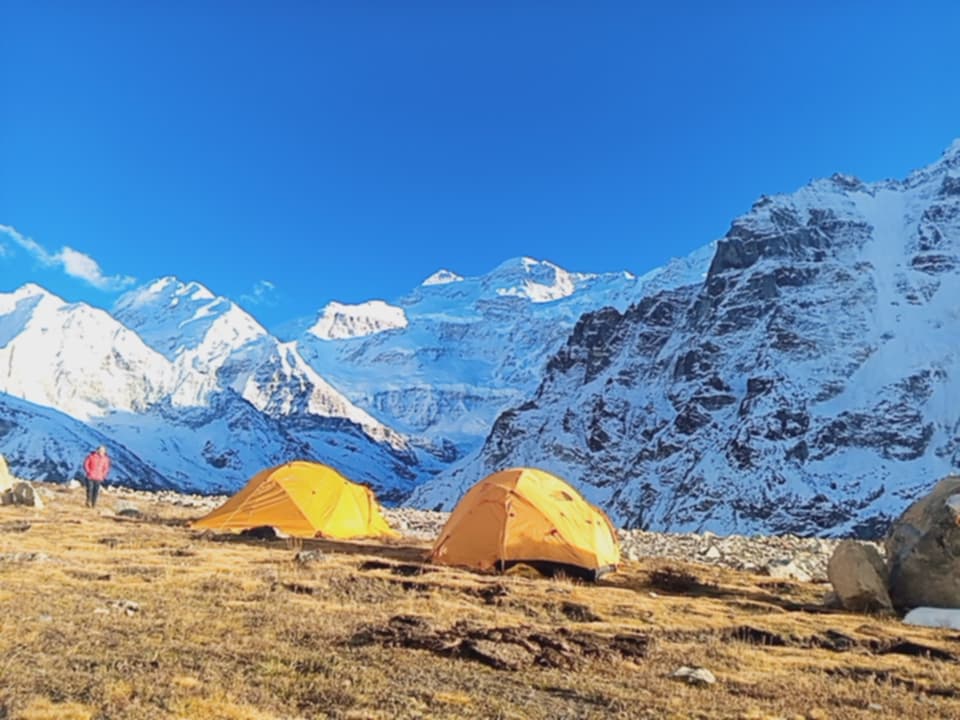
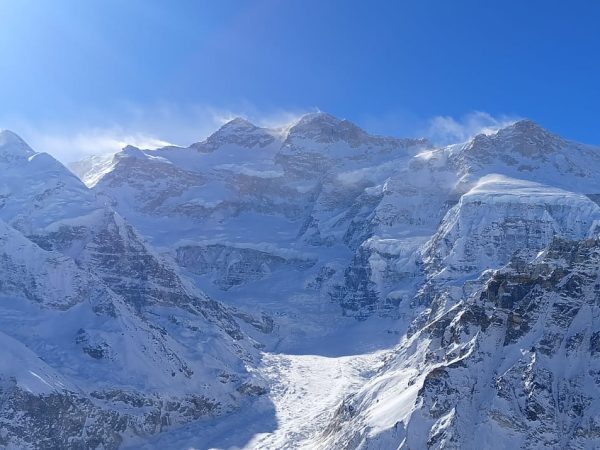
Spectacular Mountain Views Your trek rewards you with breathtaking panoramas of Mount Kanchenjunga’s five peaks, each representing a sacred treasure in local mythology. You’ll also witness Jannu (7,710m), Yalung Kang (8,505m), and the magnificent Kanchenjunga Glacier stretching across the landscape in brilliant whites and blues.
Authentic Cultural Encounters Walk through villages where the Limbu, Rai, Sherpa, and Tibetan communities welcome you into their homes. Share traditional drinks like tongba and raksi, visit centuries-old monasteries, and experience festivals that connect people to the mountains and seasons.
Untouched Wilderness Unlike the busy trails of Everest or Annapurna regions, Kanchenjunga sees fewer than a thousand trekkers each year. This means peaceful forests, quiet trails, and genuine interactions with local people who rarely see foreign visitors.
Rich Biodiversity The Kanchenjunga Conservation Area protects diverse ecosystems ranging from subtropical forests filled with rhododendrons to high alpine zones. You might spot red pandas, Himalayan tahr, blue sheep, and if fortune smiles, the elusive snow leopard.
Off the Beaten Path Adventure This trek takes you to corners of Nepal that remain genuinely remote. Every day brings new discoveries, whether it’s a hidden waterfall, a centuries-old chorten, or a yak herder’s seasonal camp.
Trek Difficulty and Fitness Requirements
The Kanchenjunga North Base Camp Trek is rated as moderate to challenging. This grading reflects several factors that make this trek more demanding than popular routes like Annapurna Base Camp or Langtang Valley.
Altitude Considerations You’ll reach a maximum elevation of 5,143 meters at Pangpema Base Camp. At this height, oxygen levels are roughly 50 percent of those at sea level. Even fit trekkers can experience altitude related symptoms like headaches, nausea, or fatigue. The itinerary includes two dedicated acclimatization days to help your body adjust safely.
Daily Walking Duration Most trekking days involve 5 to 8 hours of walking on mountain trails. Some days include steep climbs with significant elevation gain. You need good cardiovascular fitness and leg strength to maintain this pace comfortably.
Trail Conditions Paths range from well-maintained lower sections to rocky moraine scrambles near base camp. Some sections cross suspension bridges over rushing rivers. The final approach to Pangpema involves walking on loose rocks and glacial debris.
Remote Location This trek takes you far from roads, hospitals, and emergency services. You need mental resilience to handle basic accommodations, simple food, and days of walking through wilderness areas.
Recommended Preparation Start cardiovascular training at least 8 weeks before departure. Include long hikes with elevation gain, preferably carrying a backpack. Stair climbing, running, and cycling all build useful fitness. Previous high altitude trekking experience is strongly recommended but not absolutely required if you have excellent general fitness.
Best Time to Trek Kanchenjunga North Base Camp
Spring Season (March to May) Spring is considered one of the two ideal windows for this trek. Weather becomes stable after winter, with clear morning skies offering excellent mountain views. Daytime temperatures range from comfortable in lower valleys to cold at high camps. The major highlight is the rhododendron bloom that paints hillsides in vibrant reds, pinks, and whites throughout March and April. Wildlife is also more active as animals emerge from winter. Afternoon clouds sometimes develop but typically clear by evening.
Autumn Season (September to November) Many trekkers and guides consider autumn the absolute best time for Kanchenjunga. The monsoon rains have ended, leaving crystal clear skies and superb visibility. Mountain views are consistently spectacular throughout the day. Temperatures are comfortable for walking, though nights get cold at higher elevations. The landscape looks fresh and green after monsoon rains. You might witness local harvest festivals in October and November, adding cultural richness to your trek.
Monsoon Season (June to August) Summer brings heavy monsoon rains to this region. Trails become muddy and slippery, leeches are common in forests, and mountain views are often obscured by clouds. Landslides can block roads and trails. We do not recommend trekking during monsoon unless you have very specific reasons and accept the significant challenges.
Winter Season (December to February)
Winter trekking is possible but extremely challenging. Heavy snowfall blocks high passes and makes trails dangerous. Temperatures drop far below freezing, especially at night. Many teahouses close for the season. Only very experienced winter trekkers with proper equipment should attempt this trek in winter months.
Cultural Insights and Local Communities
Limbu and Rai People The lower valleys are home to Limbu and Rai ethnic groups who practice a blend of animism, shamanism, and Buddhism. These communities are renowned for their warmth and hospitality toward visitors. You may be invited to try tongba, a traditional fermented millet drink served warm in wooden or bamboo containers, or raksi, a strong rice spirit.
When entering Limbu homes, remove your shoes and accept offered food or drink with both hands as a sign of respect. Many families still live in traditional thatched houses called ghor, though modern construction is increasingly common.
Sherpa and Tibetan Communities Higher elevation villages like Ghunsa and Khambachen have predominantly Sherpa and Tibetan Buddhist populations. Houses display prayer flags, and villages feature chortens (Buddhist stupas) and mani walls carved with sacred mantras.
Mount Kanchenjunga itself is considered sacred, believed to house five divine treasures: gold, silver, precious stones, grain, and holy texts. Local people make offerings at mountain viewpoints and spin prayer wheels to accumulate spiritual merit.
Buddhism influences daily life, with morning prayers, butter lamp offerings, and festivals marking the religious calendar. If you visit during Losar (Tibetan New Year in February or March), you might witness mask dances, feasting, and purification rituals.
Respectful Interaction Always ask permission before photographing people or inside monasteries. Dress modestly, especially when visiting religious sites. Walk clockwise around chortens and mani walls. If offered food or drink, try to accept at least a small amount as refusal can be considered rude.
Small gifts like pens, notebooks, or sweets for children are appreciated, though giving directly to children can encourage begging. Consider donating to schools or community projects instead.
Wildlife and Natural Environment
The Kanchenjunga Conservation Area protects 2,035 square kilometers of exceptional biodiversity across multiple ecological zones.
Forest Ecosystems Lower elevations between 1,500 and 3,000 meters support dense forests of oak, pine, and rhododendron. These forests provide habitat for red pandas, one of the region’s most endangered species. You might also see langur monkeys, yellow-throated martens, and numerous bird species including the colorful Himalayan monal, Nepal’s national bird.
Alpine Zone Above the treeline, hardy plants like juniper, alpine grasses, and medicinal herbs grow in the harsh conditions. The valuable Yarsagumba (caterpillar fungus) grows here, creating a lucrative but controversial harvesting industry.
High Altitude Wildlife Blue sheep graze on impossible cliff faces near base camp. Himalayan tahr, a wild goat with curved horns, inhabits rocky terrain. The most elusive resident is the snow leopard, perfectly adapted to this extreme environment with thick fur and huge paws for walking on snow. Sightings are extraordinarily rare, but your guide will point out tracks and signs if found.
Bird Life Bird enthusiasts can spot Himalayan griffon vultures soaring on thermals, golden eagles hunting for marmots, blood pheasants in forest undergrowth, and numerous species of finches, warblers, and thrushes.
Conservation Responsibility Stay on marked trails to avoid damaging fragile alpine vegetation. Never feed wildlife as this disrupts natural behaviors. Observe animals quietly from a distance without approaching or disturbing them.
Why Choose Himalayan Guide Treks Pvt Ltd
Locally Owned and Operated Himalayan Guide Treks Pvt Ltd is a registered Nepali trekking company based in Kathmandu. We are owned and operated by experienced mountain guides who were born and raised in Nepal’s trekking regions. When you trek with us, your money directly supports local families and communities.
Expert Local Guides Our guides are licensed professionals with years of trekking experience in the Kanchenjunga region. They possess extensive knowledge of mountain safety, altitude sickness prevention, local culture, and natural history. Many of our guides come from Sherpa, Tamang, or Rai communities and can provide authentic cultural insights.
All guides are trained in wilderness first aid and carry comprehensive first aid kits. They monitor your health daily and make informed decisions about acclimatization and safety.
Small Group Philosophy We keep group sizes small to minimize environmental impact and ensure personalized attention. Your guide has time to answer questions, adjust the pace to your comfort level, and share detailed knowledge about everything you see.
Fair Wages and Ethical Practices We pay our guides, porters, and staff fair wages that exceed minimum industry standards. Our porters carry reasonable loads and receive proper equipment including footwear and warm clothing. We believe ethical treatment of our team members is fundamental to responsible tourism.
Comprehensive Safety Standards Safety is our absolute priority. Every trek includes emergency communication devices, detailed evacuation plans, and comprehensive travel insurance requirements. Our guides are trained to recognize and respond to altitude sickness, weather hazards, and medical emergencies.
Transparent Pricing Our trek costs include all stated services with no hidden fees. We clearly outline what is included and excluded so you can budget accurately. Quality equipment, experienced guides, and proper insurance cost money, and we believe transparency about costs is essential.
24/7 Support From the moment you contact us until you return to Kathmandu, our team provides continuous support. Before your trek, we answer all questions and help with preparations. During the trek, our Kathmandu office maintains contact with your guide. After your trek, we welcome feedback to improve our services.
Environmental Commitment We practice Leave No Trace principles on all treks. Our guides educate clients about minimizing waste, respecting wildlife, and supporting conservation efforts. We encourage using refillable water bottles instead of buying plastic, disposing of waste properly, and staying in lodges that employ sustainable practices.
Safety and Responsible Trekking
Altitude Sickness Prevention Acute Mountain Sickness (AMS) is the primary health concern on high altitude treks. Our itinerary includes two rest days specifically for acclimatization. We follow the golden rule: climb high, sleep low when possible, and never rush altitude gain.
Your guide monitors everyone daily for symptoms like headache, nausea, dizziness, or unusual fatigue. If symptoms develop, the standard response is to rest, hydrate, and not climb higher until symptoms resolve. In serious cases, immediate descent is necessary.
Drink at least 3 to 4 liters of water daily, avoid alcohol and sleeping pills, eat regular meals even if appetite decreases, and communicate honestly with your guide about how you feel.
Travel Insurance Comprehensive travel insurance covering emergency evacuation and medical treatment up to 6,000 meters is mandatory for this trek. Helicopter evacuation from remote areas costs thousands of dollars, and insurance ensures you receive prompt care if needed.
Verify your policy covers trekking at high altitude, emergency helicopter rescue, and medical repatriation to your home country if necessary.
Physical Preparation Start training at least 8 weeks before departure. Focus on cardiovascular endurance through hiking, running, cycling, or swimming. Include uphill hiking with a weighted backpack to simulate trek conditions. Strong leg muscles and good cardiovascular fitness make the trek more enjoyable and safer.
Environmental Responsibility Carry out all non-biodegradable waste including batteries, wrappers, and toiletries. Use provided toilet facilities and avoid polluting streams or forests. Burn or carry out used toilet paper. Use biodegradable soap and wash away from water sources.
Respect wildlife by observing from a distance without feeding or disturbing animals. Stay on established trails to prevent erosion and protect vegetation.
Cultural Sensitivity Ask permission before photographing people, especially during religious ceremonies. Dress modestly with shoulders and knees covered when visiting monasteries or villages. Remove shoes before entering homes and temples. Accept hospitality graciously, even if just sampling offered food or drink.
Avoid public displays of affection, as this can offend local sensibilities. Learn a few basic Nepali or Tibetan phrases like “Namaste” (hello), “Dhanyabad” (thank you), and “Tapai lai kasto cha?” (How are you?). Locals deeply appreciate efforts to speak their language.
Preparing for Your Kanchenjunga Trek
What to Pack Bring a good quality sleeping bag rated to minus 10 degrees Celsius. High altitude nights get extremely cold even in summer. Include warm layers like fleece jackets, down jackets, thermal underwear, and warm hats and gloves.
Trekking boots should be broken in and waterproof. Bring trekking poles to reduce knee strain on descents. Pack a headlamp with extra batteries, sunglasses with UV protection, high SPF sunscreen, and lip balm.
A basic first aid kit with personal medications, blister treatment, pain relievers, and altitude sickness medication (consult your doctor) is essential. Water purification tablets or a filter system reduces plastic waste.
Money and Expenses ATMs exist in Kathmandu and possibly Bhadrapur, but not along the trekking route. Bring sufficient Nepali Rupees in cash for personal expenses like snacks, drinks, hot showers, battery charging, and tips for guides and porters.
Budget approximately USD 15 to 25 per day for meals and drinks not included in the trek package, plus extra for any personal purchases.
Communications Mobile phone coverage is intermittent and unreliable in most trekking areas. Some lodges offer WiFi for a fee, though connections are slow and unreliable. Consider purchasing a local SIM card in Kathmandu if you need occasional connectivity.
Inform family that you’ll be largely out of communication for the trek duration. Your guide carries a satellite phone or communication device for emergencies.
Start Planning Your Kanchenjunga Adventure
The Kanchenjunga North Base Camp Trek offers everything serious trekkers dream about: towering Himalayan peaks, authentic cultural experiences, incredible biodiversity, and genuine wilderness adventure. This is not a trek for everyone, but for those ready to challenge themselves physically and mentally, the rewards are immeasurable.
Himalayan Guide Treks Pvt Ltd has been organizing treks in Nepal’s mountains for years, building a reputation for safety, professionalism, and authentic local knowledge. Our experienced guides, fair treatment of staff, and commitment to responsible tourism set us apart from budget operators.
We customize this trek to match your schedule, fitness level, and interests. Whether you want to extend the itinerary to include Kanchenjunga South Base Camp, add extra acclimatization days, or combine this trek with other Nepal adventures, we create itineraries that work for you.
Outline Itinerary
Day
Activity
Details
Day 1
Travel from Kathmandu to Taplejung
1,820m – Scenic drive or flight + drive
Day 2
Drive to Sekathum & Trek to Amjilasa
2,510m – Mixed road and trekking day
Day 3
Trek to Ghunsa
3,415m – Gradual ascent through remote villages
Day 4
Acclimatization Day
Rest and explore Ghunsa
Day 5
Trek to Khambachen
4,050m – Alpine terrain with mountain views
Day 6
Acclimatization Day
Rest day in Khambachen
Day 7
Trek to Lhonak
4,780m – High-altitude rugged landscape
Day 8
Hike to Pangpema (Base Camp) & Return
5,143m – Visit Kanchenjunga Base Camp
Day 9
Trek back to Ghunsa
Descend through familiar trails
Day 10
Trek to Amjilasa
2,510m – Long descent day
Day 11
Trek to Taplejung & Drive to Bhadrapur
Return to lower altitude
Day 12
Flight to Kathmandu
End of trek
Itinerary
If you want tailor-made trip or want to personalize this itinerary, just feel free to contact us. We are always there to help you to make your holiday plan. Contact us
Day 01
Kathmandu to Taplejung (1,820m)
Altitude1,820m
AccommodationHotel
MealsBreakfast
Your adventure begins with a scenic 45-minute flight from Kathmandu to Bhadrapur in eastern Nepal. The flight itself offers stunning Himalayan views on clear days. From Bhadrapur, a long but beautiful 8 to 9 hour drive takes you through lush tea gardens, terraced farmlands, and traditional villages to reach Taplejung. This hill town serves as the gateway to Kanchenjunga and is home to the welcoming Limbu community. Overnight in a local lodge where you can rest and prepare for the trek ahead.
Day 02
Drive to Sekathum, Trek to Amjilasa (2,510m)
Altitude2,510m
AccommodationTeahouse
MealsBreakfast, Lunch and Dinner
After breakfast, a 3 to 4 hour drive on winding mountain roads brings you to Sekathum at 1,650 meters, where your trekking journey truly begins. The trail follows the rushing Ghunsa Khola river upstream through terraced fields and mixed forests. This relatively gentle 3 to 4 hour trek covering 9 kilometers allows your body to adjust to walking with a backpack. Amjilasa is a small Tibetan settlement where you'll notice the first prayer flags and mani stones. The lodge here is basic but comfortable, and the hosts are wonderfully hospitable.
Day 03
Amjilasa to Ghunsa (3,415m)
Altitude3,415m
AccommodationTeahouse
MealsBreakfast, Lunch and Dinner
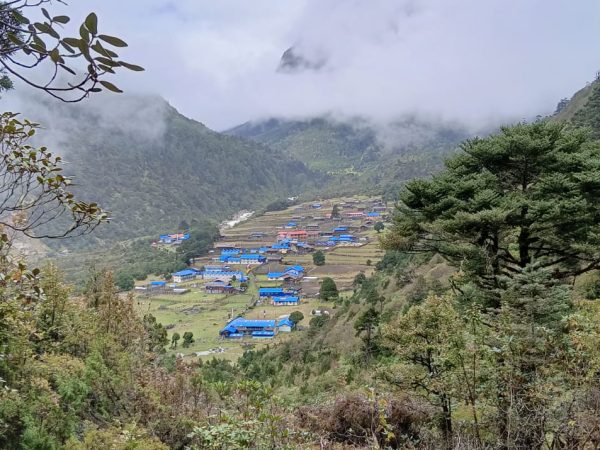
Today is your longest trekking day, covering 17 kilometers over 7 to 8 hours. The trail climbs steadily through magnificent forests of rhododendron, oak, and bamboo. During spring, these hillsides burst into color with pink and red rhododendron blooms. You'll pass several small Tibetan villages before reaching Ghunsa, the largest settlement in the upper valley. This historic trading village features a beautiful monastery, traditional stone houses with prayer flags, and warm teahouses where trekkers gather in the evening. Take time to explore the village and meet the friendly locals.
Day 04
Acclimatization Day in Ghunsa
AccommodationTeahouse
MealsBreakfast, Lunch and Dinner
Proper acclimatization is crucial for your safety and enjoyment at higher altitudes. Today you'll take short hikes around Ghunsa, perhaps visiting viewpoints above the village or exploring nearby trails. Visit the local monastery to see monks at prayer and learn about Tibetan Buddhism's role in mountain life. You can also walk through the village observing daily activities like butter making, weaving, and tending to yaks. This rest day allows your body to produce more red blood cells and adjust to the thinner air before climbing higher.
Day 05
Ghunsa to Khambachen (4,050m)
Altitude4,050m
AccommodationTeahouse
MealsBreakfast, Lunch and Dinner
The trek continues upward for 4 to 5 hours covering 12 kilometers. You'll walk through thinning forests of pine and rhododendron with increasingly dramatic mountain views. The towering north face of Jannu Peak dominates the skyline, its sheer rock and ice walls rising impossibly high. Khambachen is a traditional yak herding village where families spend the summer grazing their animals on high pastures. The lodges here are simpler than lower elevations, but the mountain views from your window are priceless. Evening temperatures drop significantly, so prepare warm layers.
Day 06
Acclimatization Day in Khambachen
AccommodationTeahouse
MealsBreakfast, Lunch and Dinner
Another important rest day at this higher elevation. Take a short hike to nearby ridges for even better views of the surrounding peaks. Watch yak herders at work and learn about their seasonal migration patterns between high summer pastures and lower winter valleys. The air is noticeably thinner here, so move slowly and drink plenty of water. Some trekkers experience mild altitude symptoms like headache or reduced appetite, which usually improve with rest and hydration.
Day 07
Khambachen to Lhonak (4,780m)
Altitude4,780m
AccommodationTeahouse
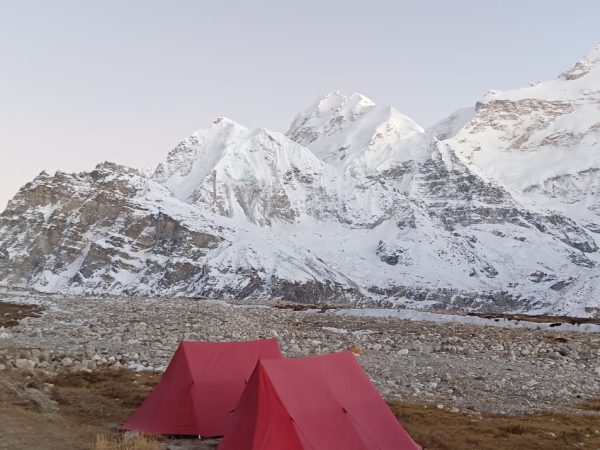
The landscape changes dramatically on this 4 to 5 hour trek covering 10 kilometers. Trees disappear completely as you enter a high alpine zone of rocks, glacial streams, and hardy grasses. The trail crosses challenging moraine fields left behind by ancient glaciers. Views of Kanchenjunga, Mera Peak, and neighboring giants improve with every step. Lhonak sits in a windswept valley with just a few seasonal teahouses. The environment feels truly remote and wild. Nights are cold even in summer, with temperatures often dropping below freezing.
Day 08
Lhonak to Pangpema Base Camp and Return (5,143m)
Altitude5,143m
AccommodationTeahouse
MealsBreakfast, Lunch and Dinner
This is the day you've been working toward! An early morning start takes you on a 7 kilometer trek to Pangpema, the Kanchenjunga North Base Camp at 5,143 meters. The trail follows the lateral moraine alongside the Kanchenjunga Glacier. As you round the final ridge, the full majesty of Mount Kanchenjunga and its neighboring peaks fills your vision. Take time to soak in the 360-degree panorama of ice-covered summits, hanging glaciers, and the massive Kanchenjunga Glacier stretching into the distance. After spending time at base camp, you'll return to Lhonak for the night. Total trekking time is 6 to 7 hours.
Day 09
Lhonak to Ghunsa
AccommodationTeahouse
MealsBreakfast, Lunch and Dinner
Begin your descent back down the valley, retracing your route over 5 to 6 hours covering 17 kilometers. The landscape that seemed so barren on the way up now feels familiar. Watch for blue sheep grazing on impossible cliff faces and scan rocky areas for signs of snow leopards, though sightings remain extremely rare. As you lose altitude, breathing becomes easier and energy levels rise. Reaching Ghunsa feels like coming back to civilization after days in the high wilderness.
Day 10
Ghunsa to Amjilasa (2,510m)
Altitude2,510m
AccommodationTeahouse
MealsBreakfast, Lunch and Dinner
A long 7 to 8 hour descent covering 19 kilometers brings you back through rhododendron and bamboo forests. The trail passes Buddhist monasteries and traditional Tibetan villages before reaching Amjilasa. The warmer air and greener landscape feel welcoming after so many days above the treeline. You might notice increased appetite as your body recovers from the altitude stress.
Day 11
Amjilasa to Taplejung, Drive to Bhadrapur
AccommodationTeahouse
MealsBreakfast, Lunch and Dinner
Complete the final section of trekking before driving back to Sekathum. From there, an 8 to 9 hour drive takes you back to Bhadrapur through the scenic hills and plains of eastern Nepal. The journey passes through numerous villages, tea gardens, and terraced fields that showcase rural Nepali life. Overnight in Bhadrapur to rest before your flight.
Day 12
Flight Back to Kathmandu
AccommodationHotel
MealsBreakfast
A morning flight brings you back to Kathmandu, completing your Kanchenjunga adventure. The 45-minute journey offers a final chance to view the Himalayas from above. You'll arrive in Kathmandu carrying unforgettable memories of Nepal's hidden eastern corner, the warmth of mountain communities, and the overwhelming beauty of the world's third highest mountain.