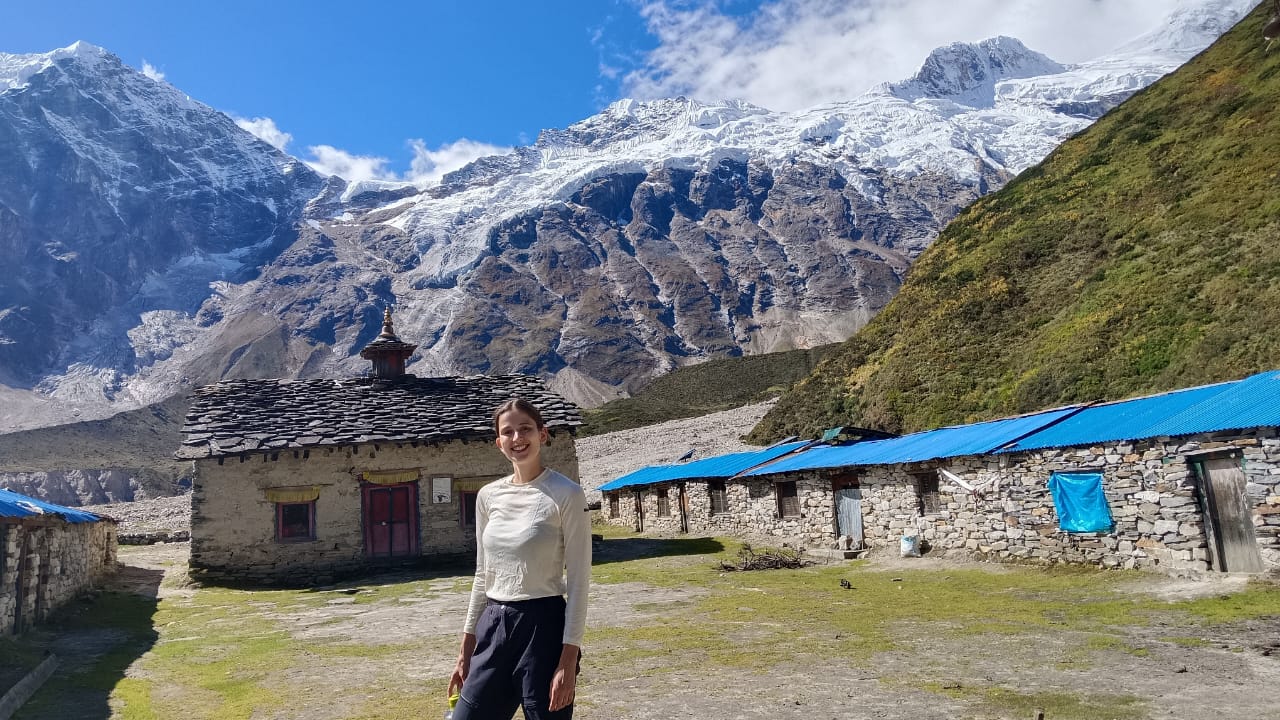
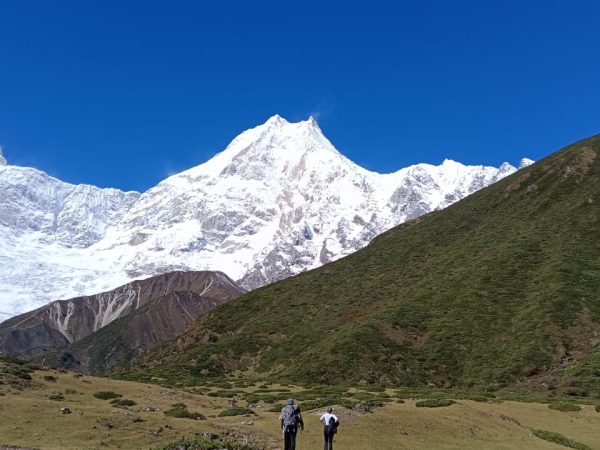
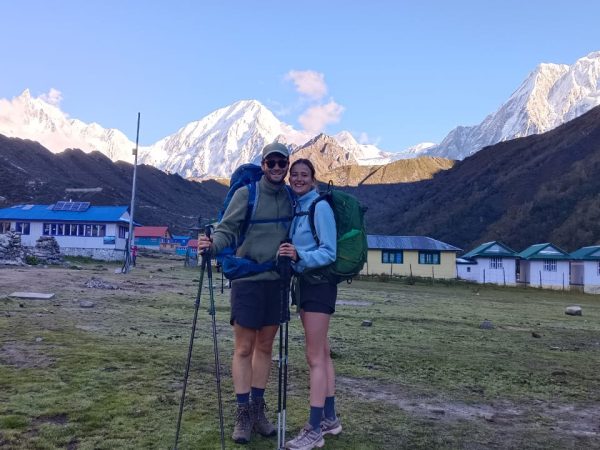
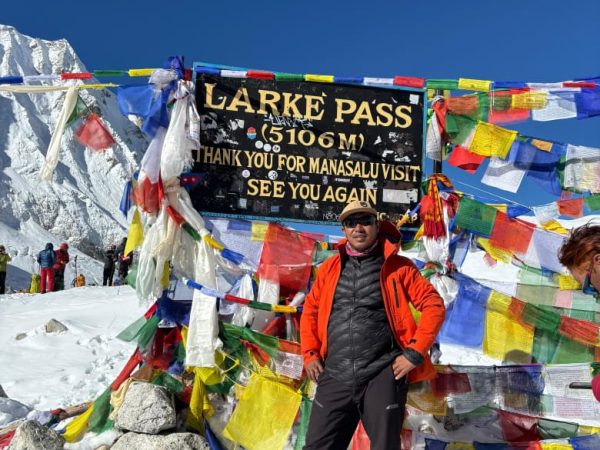
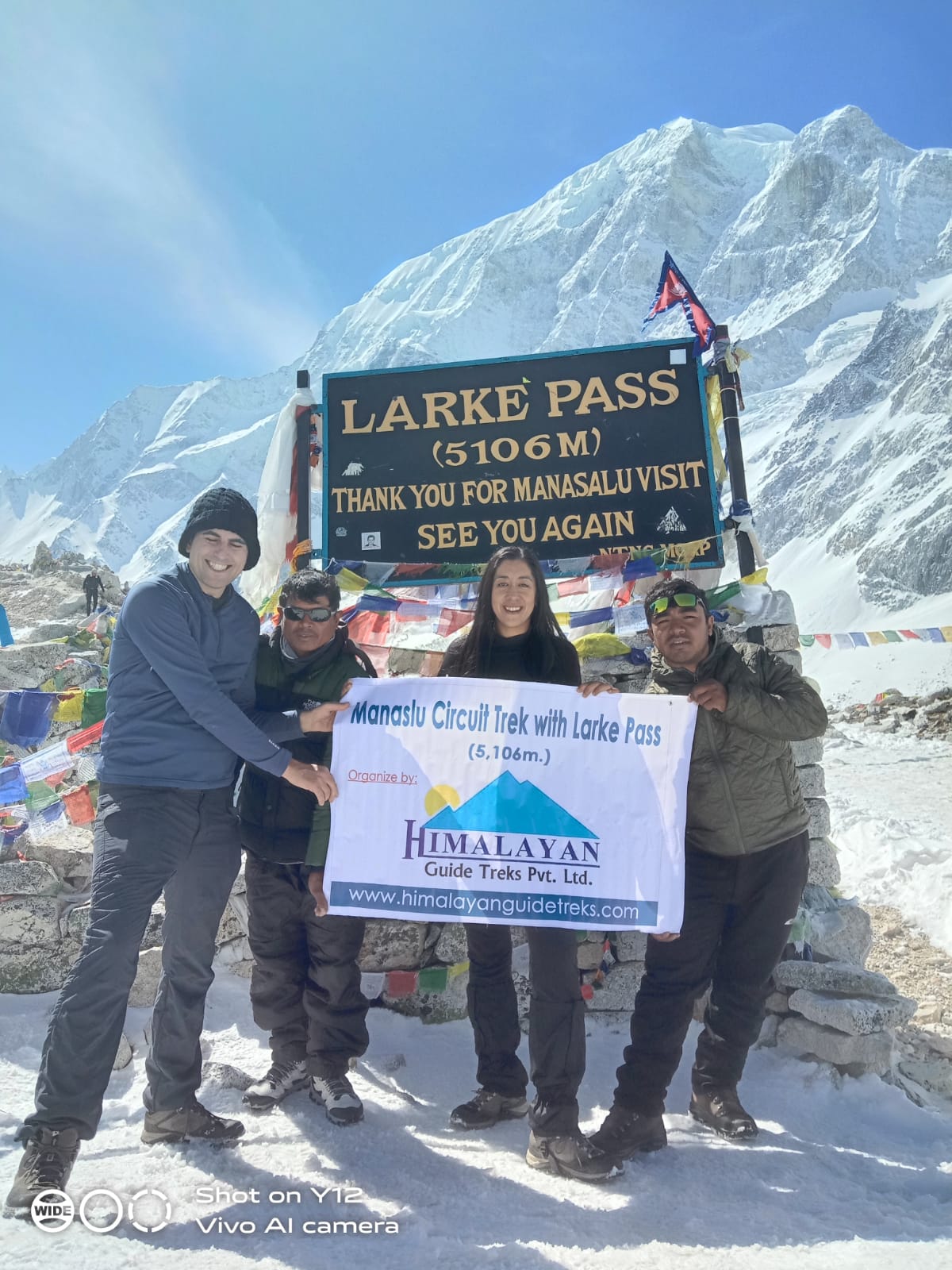
Standing at 5,106 meters, Larke La Pass marks the highest point of this extraordinary 17-day journey through the Manaslu and Tsum Valley regions. Tucked away in the Gorkha district, the Tsum Valley remains one of Nepal’s best-kept secrets—a place where ancient Tibetan Buddhist traditions thrive amid some of the most spectacular mountain scenery you’ll ever witness.
The trail winds beneath the towering peaks of Ganesh Himal, Himal Chuli, and Buddha Himal, leading you into a valley that time seems to have forgotten. Here, centuries-old monasteries cling to mountainsides, prayer flags flutter in the Himalayan wind, and the polyandry tradition—where one woman may marry multiple brothers—is still practiced in some communities. It’s a glimpse into a way of life that exists nowhere else.
A Living Museum of Tibetan Culture
What sets Tsum Valley apart isn’t just its dramatic landscapes, but its rich cultural tapestry. The local dialect, customs, and festivals differ even from other Tibetan Buddhist communities in the Himalayas. Throughout the year, villages come alive with celebrations—Lhosar (Tibetan New Year), Dhacyhang, Saka Dawa, and Fanning festivals fill the mountain air with chanting, music, and traditional dances.
Your journey will take you through remarkable villages like Chumling, Chhule, Chhekamparo, and Nile, each with its own character and charm. You’ll visit the sacred Mu Monastery perched high in the upper valley, explore Gumba Lungdang Nunnery, and discover Piren Phu—a holy cave near Birj Village where legendary Tibetan saints once meditated. Along the way, intricately carved chortens and mani walls adorned with prayers and Buddhist deities guide your path.
The Route: From Machha Khola to Dharapani
The trek begins with a scenic drive from Kathmandu to Machha Khola, following the Budi Gandaki River valley. From there, you’ll gradually ascend through terraced farmlands, subtropical forests, and traditional Gurung villages before branching off toward the mystical Tsum Valley.
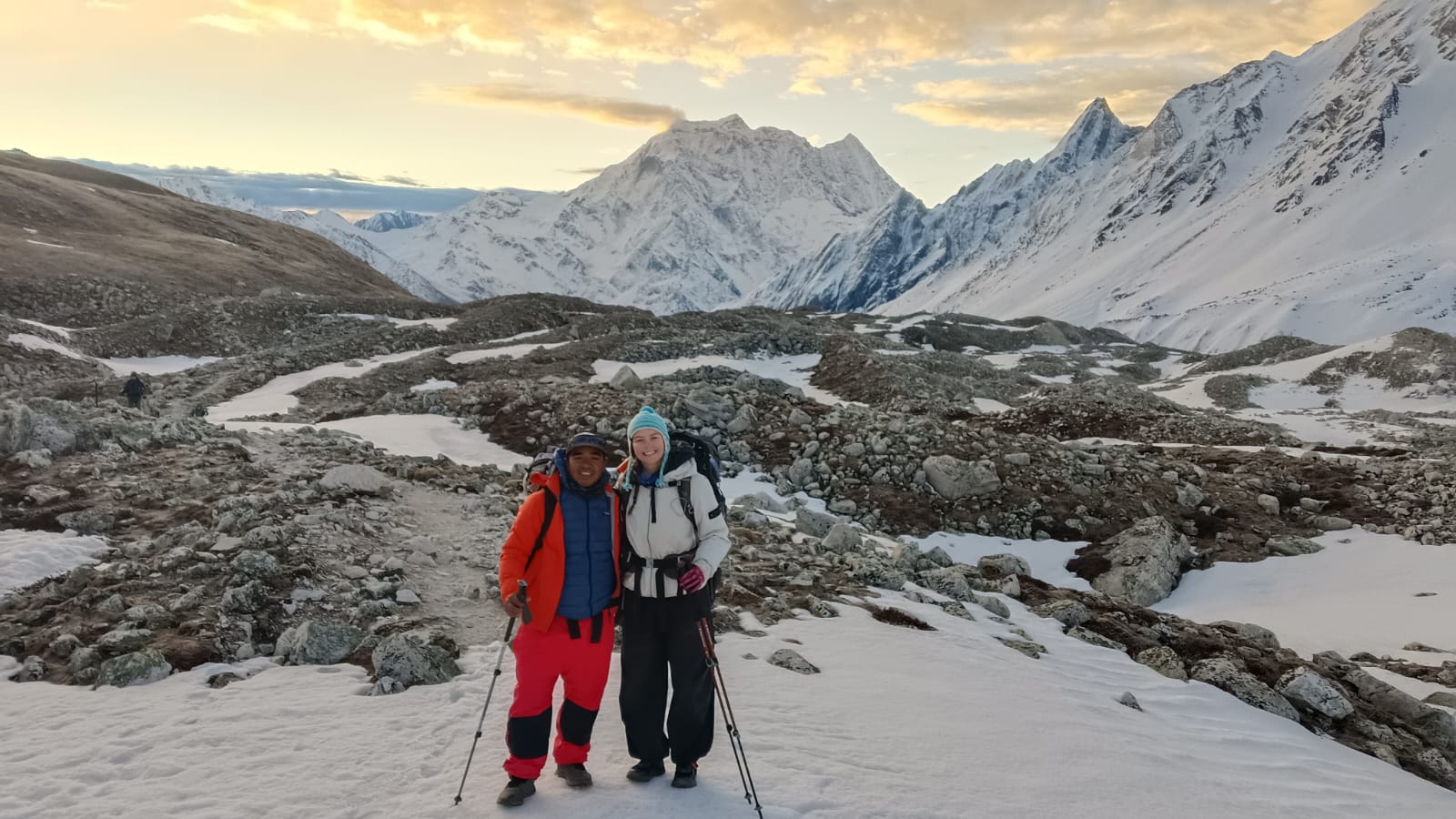
After exploring the upper reaches of Tsum and the sacred Mu Gompa, you’ll rejoin the classic Manaslu Circuit route at Lokpa. The trail then climbs through alpine meadows and high mountain villages like Samagaon and Samdo before reaching the challenging Larke La Pass. The pass crossing itself is demanding but deeply rewarding—on clear days, you’ll be surrounded by a panorama of snow-capped giants including Manaslu (8,163m), the eighth-highest mountain on Earth.
After descending through Bhimtang’s pine forests, the trek concludes at Dharapani, where a vehicle will be waiting to drive you back to Kathmandu.
17-Day Itinerary at a Glance
Day 01: Drive from Kathmandu to Machhakhola (870m) – 7-8 hours
Day 02: Trek to Jagat (1,340m) – 6-7 hours
Day 03: Trek to Lokpa (2,240m) – 6-7 hours
Day 04: Trek to Chumling (2,386m, Lower Tsum) – 5-6 hours
Day 05: Trek to Chhokangparo (3,010m, Upper Tsum) – 5-6 hours
Day 06: Trek to Nile (3,361m), continue to Mu Gompa (3,700m) – 6-7 hours
Day 07: Explore Mu Gompa, return to Chhokangparo (3,010m) – 5-6 hours
Day 08: Trek back to Lokpa (2,240m) – 6-7 hours
Day 09: Trek to Deng (1,860m) – 6-7 hours
Day 10: Trek to Namrung (2,630m) – 6 hours
Day 11: Trek to Samagaon (3,530m) – 6-7 hours
Day 12: Acclimatization day in Samagaon with optional hike to Birendra Lake or Manaslu Base Camp
Day 13: Trek to Samdo (3,860m) – 3-4 hours
Day 14: Trek to Dharamsala/Larkya Phedi (4,460m) – 4-5 hours
Day 15: Cross Larke La Pass (5,106m) and descend to Bhimtang (3,720m) – 8-9 hours
Day 16: Trek to Dharapani (1,860m) – 6-7 hours
Day 17: Drive back to Kathmandu – 8-9 hours
Why Trek Manaslu and Tsum Valley?
Walk in the shadow of giants. The trail keeps you close to Manaslu, the world’s eighth-highest peak, while surrounding you with an amphitheater of 7,000 and 8,000-meter mountains.
Experience true remoteness. This route sees far fewer trekkers than the Everest Base Camp or Annapurna Circuit trails. For much of the journey, it’s just you, your group, the mountains, and perhaps a Himalayan monal pheasant or a shy blue sheep in the distance.
Immerse yourself in living culture. The remote Bhotia villages you’ll pass through remain largely untouched by modern development. Witnessing how people live at these altitudes, maintaining their traditions and spirituality, is both humbling and inspiring.
Follow ancient trade routes. You’ll be walking paths once used by salt and wool traders moving between Tibet and Nepal, passing through regions once ruled by the Gorkha and Ghale kings.
Conquer a legendary pass. The crossing of Larke La at 5,160 meters, connecting the Budi Gandaki Valley with the Marshyangdi Valley, is a challenge you’ll remember for the rest of your life.
Is This Trek Right for You?
The Manaslu Tsum Valley trek is rated moderate to challenging. If you’ve completed a Himalayan trek before and want to test yourself both physically and mentally, this circuit is an excellent next step. Over 17 days, you’ll spend anywhere from 3 to 9 hours walking each day, with most days averaging 5-6 hours on the trail.
The terrain is demanding—expect cliffside gravel paths, stone staircases, and daily elevation gains of 300-500 meters. This isn’t a trek for first-timers. You need to be a regular hiker with good stamina and mental resilience.
Best Time to Go
Spring (March to May) brings warmer days and blooming rhododendrons. The forests come alive with wildflowers and orchids, creating stunning contrasts against snow-capped peaks. Days are pleasant, though nights remain cold at higher elevations.
Autumn (mid-September to November) is the most popular season. After the monsoon clears the air, you’ll enjoy crystal-clear mountain views. If you time your trek for late September or October, you might experience Dashain and Tihar—Nepal’s biggest festivals—celebrated by communities along the lower trail.
Winter treks (January-February) are possible for experienced trekkers willing to brave the cold. This is when Buddhist communities celebrate Losar (Tibetan New Year). The Dhachyang Horse Festival in the Nubri Valley (December-January) features horse racing and competitions that draw riders from surrounding villages.
We don’t recommend trekking during monsoon season (June-August) due to trail conditions and poor visibility. Crossing Larke La Pass during heavy snow or storms can be dangerous.
Getting There
The trek begins in the Gorkha district, which was severely affected by the 2015 earthquake. Since then, road access has improved significantly, though some sections remain rough. Your journey starts with a 7-8 hour drive from Kathmandu to Machha Khola on a local bus, or to nearby Soti Khola or Barpak via private vehicle.
Local buses and shared jeeps depart from Gongabu in Kathmandu early each morning. If you prefer more comfort and flexibility, private vehicle hire is available. The route passes through New Gorkha before reaching the trailhead, with paved sections giving way to rough jeep tracks as you near the mountains.
After completing the trek at Dharapani, transportation back to Kathmandu is arranged.
Important: Solo trekking is not permitted in the Manaslu region. You must trek with a registered agency and in a group of at least two people.
The highest point, Larke La at 5,160 meters, requires proper acclimatization. Accommodation is in basic mountain lodges and teahouses offering simple meals and lodging. The remoteness and rugged beauty make up for any lack of creature comforts.
Permits and Documentation
Since independent trekking isn’t allowed here, Himalayan Guide Treks will arrange all necessary permits on your behalf. You’ll need:
- Manaslu Conservation Area Project (MCAP) Entry Permit
- Annapurna Conservation Area Project (ACAP) Entry Permit
- Manaslu Restricted Area Permit
- Tsum Valley Special Trekking Permit
- TIMS (Trekkers’ Information Management System) Card
Permit costs:
- MCAP: NPR 3,000 (foreigners), NPR 1,000 (SAARC nationals), NPR 100 (Nepali citizens)
- ACAP: NPR 3,000 (foreigners), NPR 1,000 (SAARC nationals), NPR 100 (Nepali citizens)
- Tsum Valley Permit: USD 35 (Sept-Nov, first 8 days), USD 25 (Dec-Aug, first 8 days)
- Manaslu Restricted Area: USD 100 per person for 7 days (Sept-Nov), USD 75 (Dec-Aug), plus USD 15/10 per day thereafter
- TIMS Card: NPR 2,000 (foreigners), NPR 1,000 (SAARC nationals)
We’ll handle all paperwork. You just need to provide passport copies, photos, your itinerary, emergency contacts, and travel insurance details.
Altitude and Acclimatization
At 5,165 meters, Larke La takes you into serious altitude where oxygen levels are significantly lower. Your body needs time to adjust. The key is walking slowly and steadily, staying hydrated, and listening to your body.
Acute Mountain Sickness (AMS) can affect anyone above 2,000 meters. Common symptoms include headaches, dizziness, nausea, shortness of breath, and fatigue. Mild cases usually improve with rest and hydration. Some trekkers take Diamox as a preventive measure.
If symptoms worsen, descending to lower elevation is essential. Ignoring AMS can be life-threatening. Our guides carry first-aid kits and pulse oximeters to monitor oxygen levels in your blood. They’re trained to recognize warning signs and take appropriate action.
This itinerary includes a rest day in Samagaon specifically for acclimatization. The pacing allows your body to gradually adapt to decreasing oxygen levels as you climb higher.
Staying Hydrated
Drinking 3-4 liters of fluid daily is crucial, both for preventing AMS and maintaining energy. While bottled water is available at teahouses, we discourage buying it due to the plastic waste problem in the mountains.
Bring a reusable water bottle—preferably one that can hold hot water. You can use purification tablets (chlorine or iodine), filter systems like LifeStraw, or UV sterilization pens to treat water along the trail.
Teahouses sell boiled and filtered water at extra cost, typically USD 1-4 depending on altitude and quantity. Adding electrolyte powder helps mask any chemical taste from purification tablets while replenishing minerals lost through exertion.
Staying Connected
WiFi is available at most teahouses along the route, though connection quality varies and comes with an additional charge. Everest Link provides paid internet access throughout much of the trail—you can buy usernames and passwords at teahouses and shops.
Mobile coverage exists in lower sections. Buying a Nepali SIM card in Kathmandu (Ncell or NTC) allows you to make calls and send messages when signal is available. Don’t expect consistent connectivity in the higher, more remote sections.
Your Trekking Team
Having an experienced local guide makes an enormous difference on this trek. Our guides know every twist in the trail, the location of the best teahouses, where to stop for photos, and—most importantly—how to keep you safe.
All our guides hold government licenses and have completed official trekking guide training. They speak English well, have at least a decade of mountain experience, and are certified in wilderness first aid and emergency response.
A lead guide heads the trek. For every four trekkers, we provide an assistant guide. One porter is assigned to every two clients, carrying a maximum of 30kg total (15kg per person maximum).
We treat our staff with respect and fairness. Guides and porters receive proper gear, fair wages, comprehensive insurance, and year-round employment opportunities. We follow International Porter Protection Group (IPPG) guidelines and contribute to educational programs for our staff’s children.
Travel Insurance
Comprehensive travel insurance is mandatory for this trek. Your policy must cover trekking activities up to 5,165 meters—the elevation of Larke La Pass.
The most critical coverage is for emergency helicopter evacuation and hospitalization. Rescues from high altitude are extremely expensive. Make sure your policy explicitly covers these costs.
Your insurance should also cover:
- Medical treatment for altitude sickness and injuries
- Trip cancellation and interruption
- Lost, stolen, or damaged baggage
- Domestic and international flight delays
Read the fine print carefully. Some policies require specific vaccinations or exclude certain activities. Choose an insurer experienced with adventure travel in Nepal.
Safety First
Your safety is our highest priority. This itinerary has been designed by veteran guides who’ve led hundreds of treks through this region. The included rest day, gradual ascent profile, and conservative daily distances all reduce altitude sickness risk.
Our guides carry comprehensive first-aid kits and pulse oximeters to monitor blood oxygen levels. If anyone shows serious AMS symptoms, an assistant guide escorts them to lower elevation while the rest of the group continues. In severe cases, we arrange immediate helicopter evacuation to Kathmandu.
All guides have extensive emergency response training and know exactly how to handle medical situations in remote mountain environments.
A Typical Trekking Day
Your guide wakes you around 6:00 AM. After freshening up and packing your gear, you gather for breakfast around 7:00 AM. By 8:00 AM, you’re on the trail, making an early start to avoid afternoon heat and clouds while enjoying clear morning mountain views.
The group stops periodically for photos and water breaks. Around midday, you’ll break for lunch at a teahouse, resting for 45 minutes to an hour before continuing to your overnight stop.
Upon arrival—usually mid to late afternoon—you check into the teahouse, rest, and enjoy tea with biscuits or roasted corn around 5:00 PM. Since rooms aren’t heated, trekkers typically gather in the communal dining area around the stove, swapping stories and playing cards until dinner is served at 7:00 PM.
After dinner, your guide briefs the group on the next day’s route, expected conditions, and lunch stop. Then it’s time to rest up for another day in the mountains.
Most days involve 5-6 hours of walking. The pass crossing on Day 15 is the longest and most challenging, requiring 8-9 hours.
Responsible Trekking
We’re committed to sustainable tourism and minimizing environmental impact. When you trek with us, you’re supporting local communities—from guides and porters to teahouse owners and farmers.
Please help us protect these fragile mountain environments:
- Minimize plastic use
- Don’t litter—pack out what you pack in
- Respect local customs and religious sites
- Use refillable water bottles instead of buying plastic
- Support local businesses along the trail
As a registered Nepali company, we partner with environmentally conscious service providers and contribute to community development projects in trekking regions.