Overview The Langtang Valley and Gosainkunda Trek offers one of Nepal’s most rewarding Himalayan adventures, combining dramatic mountain scenery, sacred alpine lakes, and authentic cultural encounters. This spectacular journey takes […]
Duration: 16 Days
Best Time: Spring, Autumn
Trip Grade: moderate_strenuous
Start from Kathmandu and End to Kathmandu
Min to Max Pax in a group
Private Vehicle/Domestic Flights
Meals: Breakfast, Lunch, and Dinner
Accommodation: Tea House
Highlights
Kyanjin Gompa (3,749m): Immerse yourself in Langtang's spiritual heart, surrounded by glaciated peaks and Buddhist culture
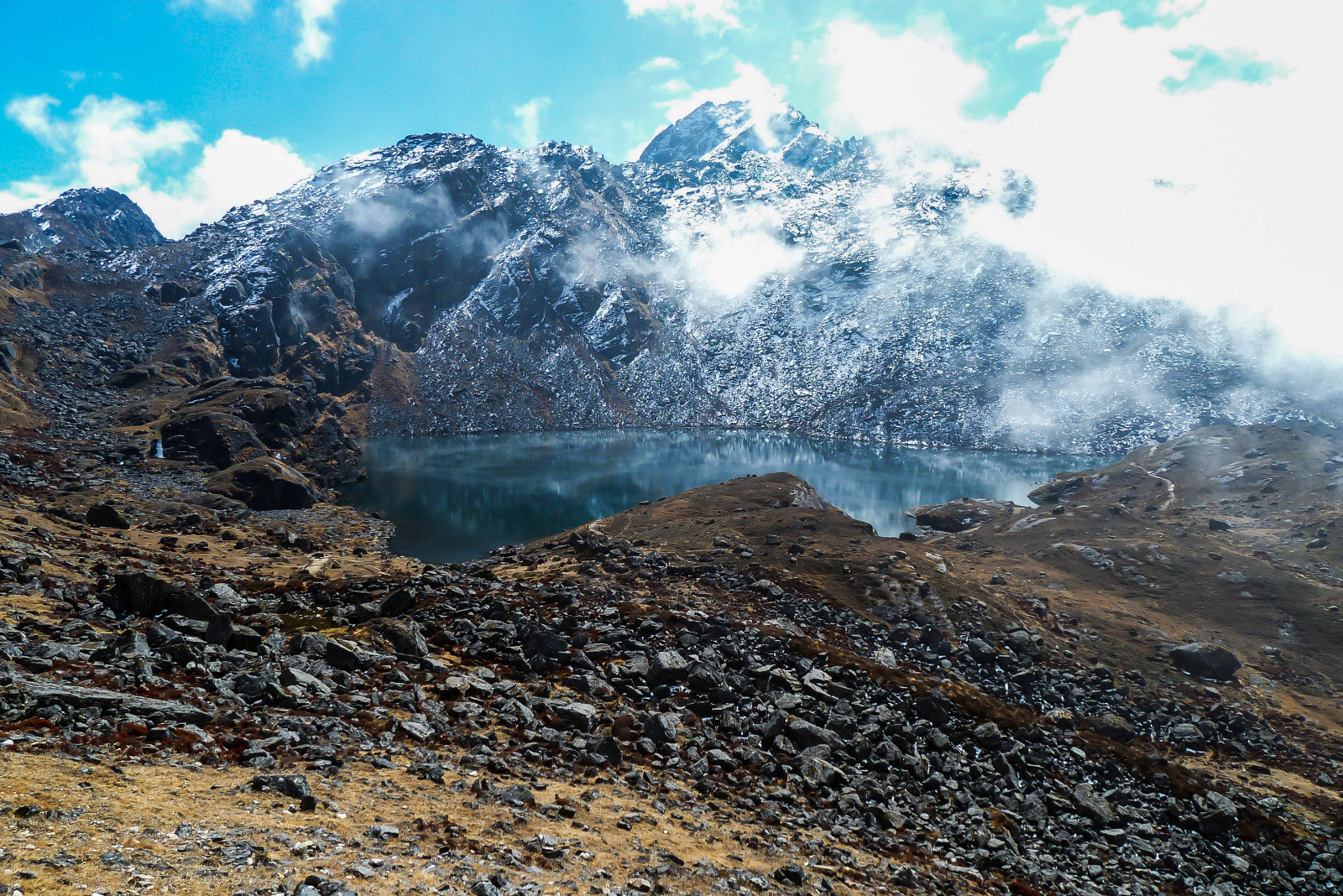
Sacred Gosainkunda Lakes: Visit these holy glacial ponds revered by Hindus and Buddhists, site of annual pilgrimage festivals
Lauribina Pass (4,609m): Conquer the trek's highest point with breathtaking 360-degree Himalayan panoramas
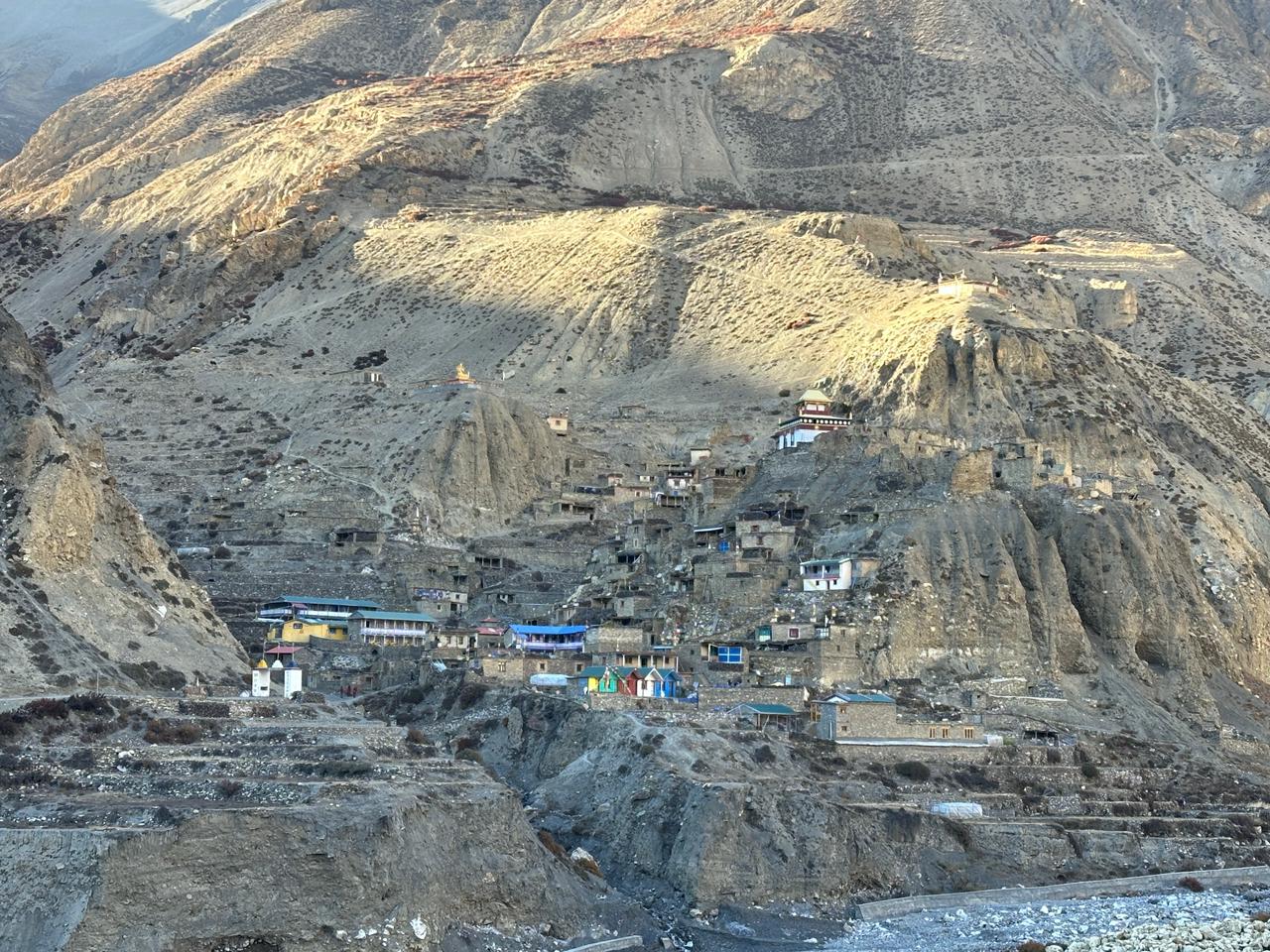
Tamang Cultural Villages: Experience warm hospitality in traditional settlements showcasing unique architecture and customs
Pristine Alpine Forests: Trek through magnificent woodlands of rhododendron, magnolia, oak, and pine—habitat of elusive red pandas
Panoramic Mountain Views: Marvel at Ganesh Himal, Manaslu, Jugal Himal, Annapurna, and Langtang ranges
Diverse Route: Journey from Langtang's glacial valleys to sacred lakes, returning through serene Helambu region
Authentic Teahouse Experience: Stay in local lodges supporting mountain communities directly
Overview
The Langtang Valley and Gosainkunda Trek offers one of Nepal’s most rewarding Himalayan adventures, combining dramatic mountain scenery, sacred alpine lakes, and authentic cultural encounters. This spectacular journey takes you through the heart of Langtang National Park, reaching the pristine Gosainkunda lakes at 4,381 meters before crossing the challenging Lauribina Pass at 4,609 meters.
At Himalayan Guide Treks Pvt. Ltd., we’ve refined this classic route to showcase the best of Nepal’s trekking experience. Our expert local guides lead you through rhododendron forests alive with red pandas, past ancient Buddhist monasteries, and into traditional Tamang villages where centuries-old customs thrive. This moderate-to-challenging trek perfectly balances natural beauty, spiritual significance, and cultural immersion—all just north of Kathmandu.
Unlike crowded routes, Langtang retains an authentic mountain atmosphere. You’ll witness towering peaks including Langtang Lirung (7,234m), explore the spiritual significance of Gosainkunda’s sacred waters, and return via the scenic Helambu region. With comfortable teahouse accommodation throughout and our safety-first approach, this adventure suits both seasoned trekkers and determined beginners ready for high-altitude challenges.
Who This Trek Is For
This adventure suits moderately fit trekkers comfortable with 5-8 hours of daily walking and willing to tackle high-altitude challenges. Perfect for:
Adventure seekers wanting dramatic scenery without extreme technical difficulty
Culture enthusiasts interested in Buddhist traditions and Tamang heritage
Nature lovers drawn to pristine forests and Himalayan wildlife
Spiritual travelers seeking meaningful connections with sacred landscapes
Photographers capturing diverse mountain terrain and cultural moments
Groups and solo travelers (we accommodate both with personalized service)
Previous trekking experience helps but isn’t mandatory. Good physical fitness, mental determination, and proper acclimatization make this achievable for committed first-time trekkers.
Trek Difficulty Level
Rating: Moderate to Challenging
The Langtang-Gosainkunda circuit demands respect but rewards preparation. Key challenges include:
Altitude: Reaching 4,609m at Lauribina Pass with sustained periods above 3,500m
Daily Duration: 5-8 hours of walking with some steep sections
Long Days: Day 12 (pass crossing) and Day 14 require stamina and determination
Why It’s Achievable: Gradual altitude gain, rest day at Kyanjin Gompa, excellent teahouse infrastructure, and our experienced guides monitoring your progress make this trek accessible to well-prepared adventurers.
Best Time to Trek
Spring (March-May): Nepal’s premier trekking season brings blooming rhododendrons painting hillsides crimson and pink. Stable weather, clear mountain views, and moderate temperatures (10-20°C at lower elevations) create ideal conditions. Higher altitude areas remain cool with possible snow near passes.
Autumn (September-November): Crystal-clear post-monsoon skies offer the year’s best mountain visibility. Comfortable temperatures, stable weather patterns, and festive atmosphere in villages make autumn extremely popular. Book early as lodges fill quickly.
Winter (December-February): Possible for experienced trekkers but challenging. Heavy snow above 3,500m, freezing temperatures at altitude, and some lodge closures. Rewards include solitude and stunning snowy landscapes.
Monsoon (June-August): Not recommended. Heavy rainfall causes leeches, obscured views, and landslide risks. However, Gosainkunda’s August full moon festival (Janai Purnima) draws thousands of pilgrims—a unique cultural experience despite weather challenges.
Required Permits
Langtang National Park Entry Permit: NPR 3,000 for foreign nationals (approximately USD 22)
Himalayan Guide Treks handles all permits, processing them efficiently in Kathmandu before departure. We ensure compliance with regulations while you focus on trek preparation. Our team manages paperwork, fees, and required documentation, streamlining your experience.
Accommodation & Meals
Lodging: Comfortable teahouse accommodation throughout the trek. Family-run lodges offer twin-bedded rooms with basic amenities (shared bathrooms, common dining areas). Facilities become simpler at higher altitudes but remain clean and welcoming. At Kyanjin Gompa and Gosainkunda, expect more basic conditions reflecting remote locations.
Meals: Nutritious, energy-rich food served three times daily. Menus feature dal bhat (traditional rice and lentils—unlimited refills!), noodle soups, Tibetan bread, pasta, momos, pancakes, and vegetables. Western options available but local dishes provide better value and nutrition. Breakfast includes eggs, porridge, and hot beverages. Safe drinking water available (we recommend purification tablets or filters).
Kathmandu: Comfortable 3-star tourist-standard hotels with private bathrooms, hot showers, WiFi, and breakfast included.
Transportation
Kathmandu to Syabrubesi: Scenic 6-7 hour drive (approximately 120km) via private vehicle or tourist bus. Journey winds through terraced hills, passing through Trishuli Bazaar and Dhunche, with views of Ganesh and Langtang ranges. Road conditions vary—expect some rough sections but manageable in dry season.
Sundarijal to Kathmandu: Short 1-hour drive (15km) concluding your trek, passing through Kathmandu Valley’s northern rim.
Airport Transfers: Private vehicle transfers included on arrival and departure days, ensuring comfortable, hassle-free connections.
Altitude Profile & Acclimatization
Acclimatization Strategy: Our itinerary incorporates gradual ascent principles. After reaching Kyanjin Gompa (3,749m), Day 7’s rest allows crucial altitude adaptation. Optional hikes to Tsergo Ri or Kyanjin Ri help “climb high, sleep low” strategies.
Critical Points:
Langtang Village (3,307m): First significant altitude
Kyanjin Gompa (3,749m): Rest day for adaptation
Gosainkunda (4,381m): Sleeping above 4,000m
Lauribina Pass (4,609m): Maximum elevation—crossed during daytime
Our Approach: Guides monitor health continuously, recognizing altitude sickness symptoms (headache, nausea, dizziness). We maintain flexible schedules for acclimatization needs, carry emergency oxygen, and have evacuation protocols ready.
Weather & Packing Tips
Essential Gear:
Four-season sleeping bag (temperatures drop to -10°C at altitude)
Quality trekking boots (broken in before departure)
Layered clothing system (base layers, insulation, waterproof shell)
Down jacket for high-altitude sections
Sun protection (hat, sunglasses, high-SPF sunscreen)
Headlamp with spare batteries
Water purification method
First-aid kit and personal medications
Trekking poles for stability
Clothing Layers: Mornings start cold; midday sun heats up valleys; evenings freeze at altitude. Pack for variable conditions with moisture-wicking base layers, warm mid-layers, and waterproof outer shells.
Available Locally: Trekking gear rentals in Kathmandu’s Thamel district offer quality equipment at reasonable prices. Our team provides packing list guidance during pre-trek briefings.
Guide & Porter Support
Expert Local Guides: Our government-licensed, English-speaking guides possess deep mountain knowledge, cultural understanding, and first-aid certification. They’re not just navigators—they’re cultural ambassadors sharing insights about Buddhism, local customs, medicinal plants, and wildlife.
Porter Service: Recommended for maximum enjoyment. Porters carry main luggage (up to 20kg per two trekkers), allowing you to hike with light daypacks. This significantly enhances comfort and safety, helping you maintain energy and balance on challenging terrain.
Safety Qualifications: All guides complete wilderness first aid training, altitude sickness recognition courses, and possess extensive route experience. We equip teams with communication devices, first-aid supplies, and emergency protocols.
Fair Treatment: We ensure porters receive proper equipment, insurance, fair wages, and reasonable loads—pillars of ethical trekking.
Travel Insurance Requirements
Mandatory Coverage: Comprehensive travel insurance is essential and required for this trek. Your policy must cover:
Emergency evacuation by helicopter from altitudes up to 5,000 meters
Medical treatment and hospitalization in Nepal
Trip cancellation and interruption
Lost or stolen belongings
Adventure trekking activities at high altitude
Verification: We request insurance documentation before trek commencement. Many standard policies exclude high-altitude trekking—verify your policy specifically covers adventure activities above 4,000 meters.
Recommendations: Reputable providers include World Nomads, Global Rescue, and IMG. Read policy exclusions carefully regarding pre-existing conditions and adventure sports coverage.
24/7 Support: Company headquarters maintains constant communication with trekking teams
Medical Facilities: Limited along the route. Kathmandu has quality hospitals; mountain areas offer basic health posts only. Hence insurance covering evacuation is critical.
Responsible & Sustainable Travel Tips
Leave No Trace: Pack out all waste, including wrappers and toiletries. Dispose of trash properly in designated areas—never in forests or water sources.
Support Local Communities: Purchase handicrafts directly from artisans, eat at village teahouses, and respect local customs. Your spending directly supports mountain families.
Cultural Sensitivity: Ask permission before photographing people, dress modestly, remove shoes before entering monasteries, walk clockwise around stupas and mani walls.
Environmental Conservation: Use biodegradable soaps, minimize plastic bottle usage (carry reusable water bottles), and respect wildlife by observing from distances.
Energy Conservation: Teahouses use limited resources. Take short showers, minimize heating requests, and charge devices strategically.
Porter Welfare: Our commitment to fair treatment extends to supporting broader industry standards. Choose companies prioritizing porter safety and dignity.
Why Choose Himalayan Guide Treks Pvt. Ltd.
Local Expertise: As a Nepali-owned company, we offer authentic insights and genuine community connections impossible for foreign operators to match.
Certified Professionals: Our guides undergo rigorous training, licensing, and continuous education in safety, first aid, and customer service excellence.
Personalized Service: Small group sizes (maximum 12 trekkers) ensure individual attention, flexible pacing, and meaningful interactions.
Safety Excellence: Comprehensive emergency protocols, quality equipment, health monitoring systems, and evacuation coordination expertise provide unmatched security.
Transparent Pricing: No hidden costs or surprise fees. Our quotes include specified services clearly—what you see is what you get.
Sustainable Practices: Commitment to environmental conservation, fair porter treatment, and community development through responsible tourism practices.
Flexible Arrangements: Customizable itineraries accommodating personal schedules, fitness levels, and interests. Private departures available year-round.
Proven Track Record: Hundreds of satisfied international trekkers, positive reviews, and repeat customers validating our reliability and quality.
Outline Itinerary
Day 1: Arrival in Kathmandu – Airport transfer and trek briefing Day 2: Kathmandu preparation – Heritage site tour and trek finalization Day 3: Drive to Syabrubesi (1,470m) – 6-7 hours through scenic foothills Day 4: Trek to Lama Hotel (2,350m) – 6 hours through forested gorge Day 5: Trek to Langtang Village (3,307m) – 5 hours gaining altitude Day 6: Trek to Kyanjin Gompa (3,749m) – 4 hours into the valley’s heart Day 7: Acclimatization day – Optional hike to Tsergo Ri (4,984m) or Kyanjin Ri Day 8: Trek to Lama Hotel (2,350m) – 6 hours descending through forest Day 9: Trek to Thulo Syabru (2,118m) – 5 hours to traditional Tamang village Day 10: Trek to Sing Gompa/Chandanbari (3,254m) – 5 hours climbing through forest Day 11: Trek to Gosainkunda (4,381m) – 5 hours to sacred lakes Day 12: Cross Lauribina Pass to Ghopte (3,566m) – 7-8 hours challenging day Day 13: Trek to Kutumsang (2,445m) – 6 hours through Helambu region Day 14: Trek to Chisapani (2,195m) – 7 hours via Gul Bhanjyang Day 15: Trek to Sundarijal, drive to Kathmandu – 4 hours trek, 1 hour drive Day 16: International departure
Itinerary
If you want tailor-made trip or want to personalize this itinerary, just feel free to contact us. We are always there to help you to make your holiday plan. Contact us
Inclusions
What's included
Private vehicle airport pick-up and drop-off at the international airport
Three meals per day during the trek (breakfast, lunch, and dinner) with tea/coffee
Seasonal fresh fruit snacks during the trek
Best available teahouse accommodation throughout the trek
Transportation by Private jeep from Kathmandu to Syabrubesi, Chisapani, Sundarijal, and return to Kathmandu (private transportation available on request at an additional cost)
Experienced, English-speaking trekking guide
Down jacket and sleeping bag provided during the trek (must be returned after trip completion)
Comprehensive first aid medical kit
All required trekking permits, TIMS card, and necessary paperwork
Himalayan Guide Treks T-shirt
What's not included
Drinks such as tea, coffee, beer, cola, mineral water, and hot water
Wi-Fi access, battery charging, and hot showers during the trek
Porter services and personal trekking equipment
Travel and medical insurance
Tips for guides, porters, and other staff
Frequently Asked Questions
1. How fit do I need to be for this trek?
Moderate fitness is essential. If you can comfortably walk 5-6 hours with elevation gain and maintain exercise regularly, you'll manage well. Start training 2-3 months before with cardio, hiking, and stair climbing.
2. Will I experience altitude sickness?
Possible, but our gradual itinerary with rest day minimizes risks. Stay hydrated, ascend slowly, and communicate symptoms immediately to guides. Most trekkers adjust successfully.
3. Are solo female travelers safe?
Absolutely. Nepal's trekking routes are generally safe with friendly communities. Our guides provide additional security, and teahouse environments are welcoming. Many solo women trek successfully.
4. What about phone and internet connectivity?
Mobile networks reach Kyanjin Gompa and lower villages. WiFi available at most lodges (small fee). Connectivity becomes spotty near Gosainkunda and at high passes.
5. Can I charge camera batteries and devices?
Yes, but expect charging fees (NPR 200-500 per device). Bring power banks as electricity can be unreliable. Solar chargers work well in good weather.
6. What currency should I carry?
Nepali Rupees for trek expenses (personal snacks, drinks, charging, souvenirs). ATMs in Kathmandu only—withdraw sufficient cash before departing. Credit cards not accepted in mountains.
7. Is the trek suitable for children or older adults?
Determined, fit individuals aged 12-70 complete this trek successfully. Consider shorter alternatives (Langtang Valley only) for young children or those concerned about altitude.
8. What if weather closes the pass?
Rare but possible in winter or monsoon. We monitor conditions and have alternative routes or rest days until safe crossing. Safety always supersedes schedule adherence.
9. Can vegetarians/vegans find suitable food?
Easily. Nepalese cuisine is vegetarian-friendly. Dal bhat, vegetable curries, noodle soups, and Tibetan dishes accommodate dietary preferences. Inform guides of restrictions.
10. What happens in medical emergencies?
Guides provide first aid immediately, assess severity, and coordinate helicopter evacuation if necessary (insurance covers costs). Kathmandu hospitals offer quality care for serious conditions.
11. Should I tip guides and porters?
Customary but not mandatory. General guideline: USD 8-10 per day for guides, USD 5-7 for porters. Tip based on service quality and your satisfaction at trek conclusion.
12. Can I extend or modify the itinerary?
Absolutely. We offer customizations including extra acclimatization days, alternative routes through Helambu only, or combining with other destinations. Discuss preferences during booking.