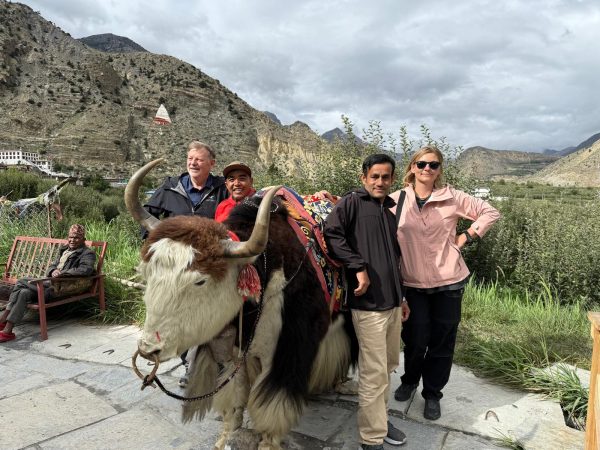
Overview The Upper Mustang Trek is one of Nepal’s most extraordinary high-altitude adventures, taking you into a remote, culturally rich region that was closed to outsiders until 1992. Often called […]
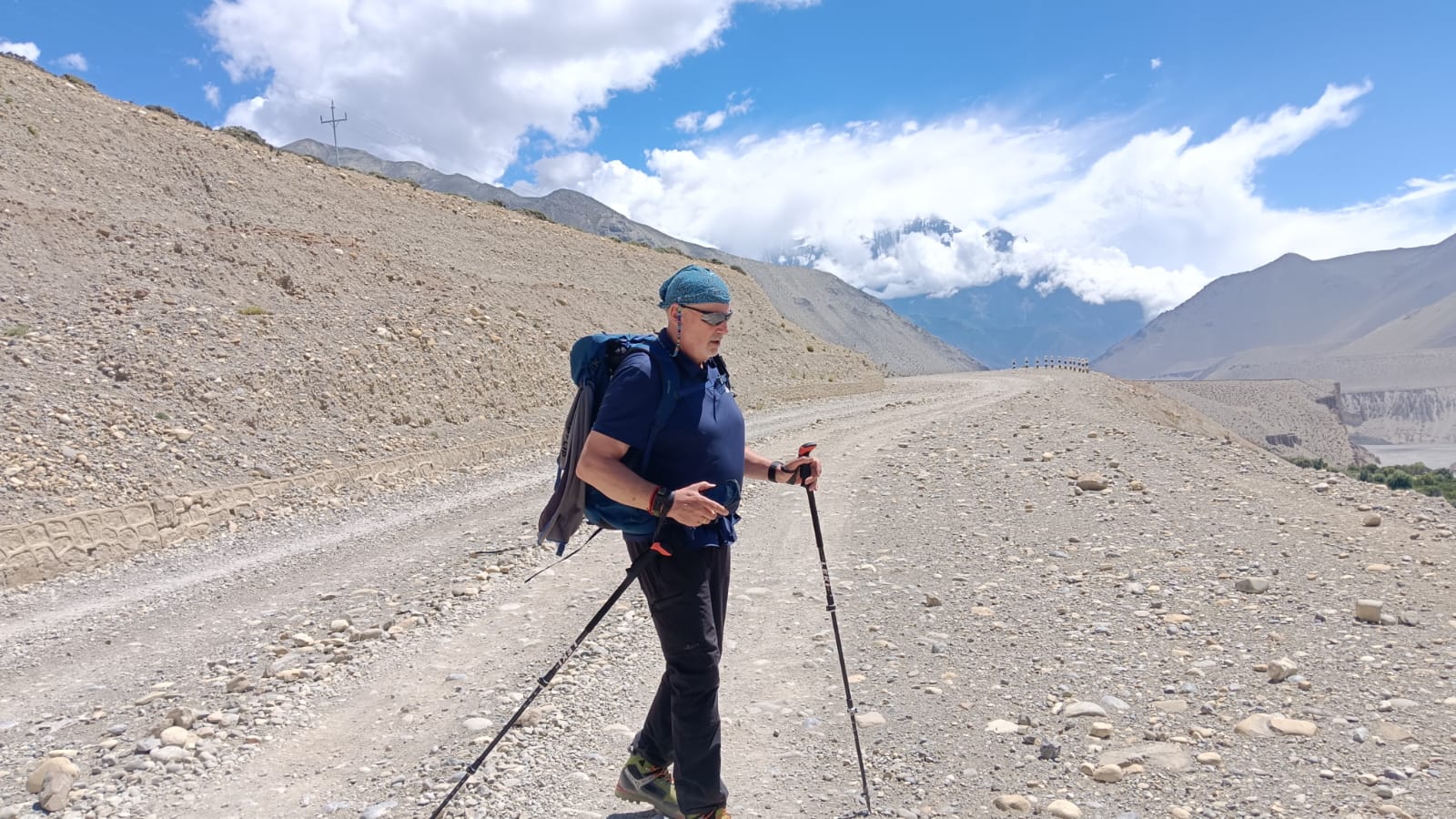
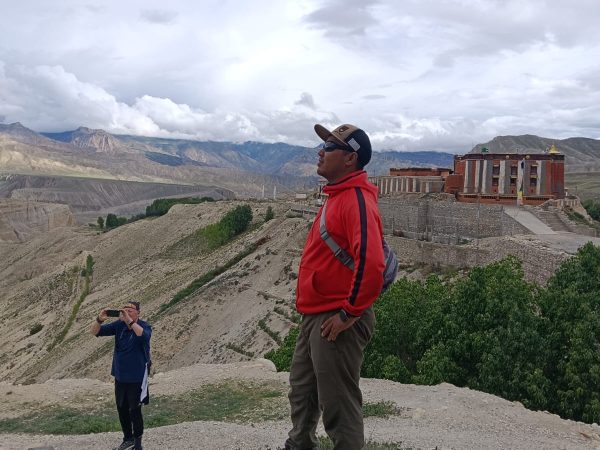
The Upper Mustang Trek is one of Nepal’s most extraordinary high-altitude adventures, taking you into a remote, culturally rich region that was closed to outsiders until 1992. Often called the “Last Forbidden Kingdom,” Upper Mustang lies in the rain shadow of the Dhaulagiri and Annapurna ranges in Nepal’s far northwest. This unique trek offers a rare glimpse into ancient Tibetan Buddhist culture, dramatic desert-like landscapes, and the walled city of Lo Manthang, the former capital of the Kingdom of Lo.
Himalayan Guide Treks Pvt. Ltd. specializes in crafting authentic Upper Mustang experiences that combine cultural immersion with breathtaking mountain scenery. Our expert local guides, many of whom have roots in the Mustang region, ensure you experience this remarkable destination safely and meaningfully while respecting its fragile environment and centuries-old traditions.
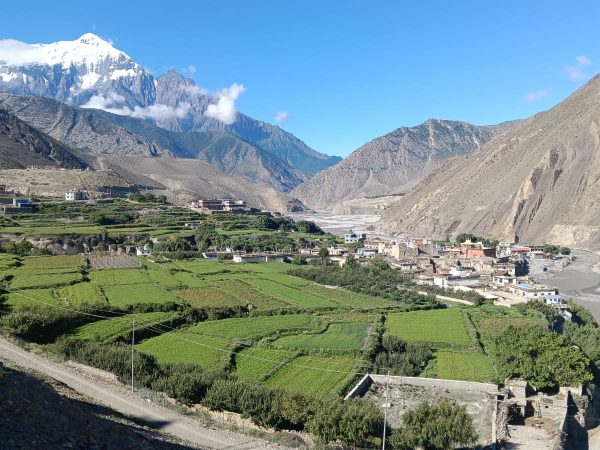
This 16-17 day journey begins with a scenic flight from Pokhara to Jomsom, then follows ancient trade routes through arid valleys adorned with colorful cliffs, mysterious sky caves, and traditional villages where time seems to stand still. You’ll cross high passes, visit centuries-old monasteries, and witness a way of life that has remained largely unchanged for generations.
The Upper Mustang Trek is perfect for travelers seeking cultural immersion combined with moderate high-altitude trekking. Ideal candidates include:
While prior trekking experience is beneficial, what matters most is positive attitude, reasonable fitness, and genuine interest in Himalayan culture. Himalayan Guide Treks Pvt. Ltd. accommodates various experience levels with personalized pacing and support.
Upper Mustang involves sustained walking at high altitude but doesn’t require technical climbing skills.
Key factors:
Preparation recommendations include cardiovascular training, hiking with a daypack 4-6 weeks before departure, and maintaining overall fitness. Mental preparedness for basic facilities and remote conditions is equally important.
Prime Seasons: March to November
Upper Mustang’s unique rain-shadow location makes it one of few Nepali treks viable during monsoon:
Spring (March-May): Ideal temperatures, blooming apricot trees, clear skies, and vibrant cultural festivals. Peak season with excellent visibility.
Summer/Monsoon (June-September): While most Nepal treks are wet, Upper Mustang remains dry and accessible. Warmer temperatures, fewer crowds, lush surrounding valleys create stunning contrasts.
Autumn (October-November): Nepal’s classic trekking season offers stable weather, crisp air, and spectacular mountain views. Harvest season adds cultural richness.
Winter (December-February): Possible but challenging due to extreme cold, snow on passes, and closed high-altitude lodges. Best for hardy adventurers only.
Himalayan Guide Treks Pvt. Ltd. operates departures year-round with season-appropriate guidance and equipment recommendations.
Upper Mustang requires special Restricted Area Permits due to its sensitive border location and cultural preservation needs:
Lodging: Comfortable teahouse lodges with basic amenities. Rooms typically feature twin beds, mattresses, pillows, and blankets. Bathrooms are usually shared, with limited hot water availability (often solar-heated). Lo Manthang offers slightly more developed guesthouses, some with attached bathrooms.
Breakfast: Porridge, eggs, Tibetan bread, pancakes, tea/coffee
Lunch: Dal bhat (rice and lentils), noodle soups, fried rice, momos (dumplings)
Dinner: Hearty soups, pasta, local specialties, vegetables
Hot beverages throughout the day
Food is freshly prepared, with Dal bhat providing unlimited refills—excellent fuel for trekking. Vegetarian and basic dietary preferences are easily accommodated. Himalayan Guide Treks Pvt. Ltd. ensures hygienic food preparation and safe drinking water (boiled or filtered).
Kathmandu to Pokhara: Tourist bus (6 hours, comfortable) or domestic flight (30 minutes). We recommend flying to save time and energy.
Pokhara to Jomsom: Scenic 20-minute mountain flight offering breathtaking views of Annapurna and Dhaulagiri. Flights operate morning hours due to afternoon winds. Weather can cause delays—we build flexibility into itineraries.
Return Journey: Same route in reverse: Jomsom-Pokhara-Kathmandu.
Alternative overland routes exist but require significantly more time. Our standard itinerary uses flights for efficiency, comfort, and spectacular aerial mountain perspectives.
Upper Mustang’s gradual altitude gain provides natural acclimatization:
The built-in rest day at Lo Manthang allows your body to adjust before returning. Himalayan Guide Treks Pvt. Ltd. guides monitor health daily, adjusting pace as needed. We emphasize gradual ascent, proper hydration (3-4 liters daily), and recognizing altitude symptoms early.
Weather Patterns: Dry, desert-like climate with cold nights. Daytime temperatures range 15-25°C (spring/autumn), dropping to -5°C to 5°C at night. Strong afternoon winds are common. Minimal rainfall except occasional summer showers.
Himalayan Guide Treks provides detailed packing lists upon booking, with rental equipment available in Kathmandu.
Our certified local guides are Upper Mustang specialists with extensive cultural knowledge, first aid training, and fluent English. Many have family connections to the region, offering authentic insights into local traditions, history, and daily life.
What Our Guides Provide:
Porter Service: Optional porters carry main luggage (up to 15kg per trekker), allowing you to trek with just a light daypack. We ensure porters receive fair wages, proper equipment, and insurance—part of our ethical employment commitment.
Small group sizes (maximum 12 trekkers) ensure personalized attention. Private treks receive dedicated guide teams.
Mandatory comprehensive travel insurance must cover:
Verify your policy explicitly covers trekking at altitude in Nepal. Himalayan Guide Treks Pvt. Ltd. requires proof of insurance before departure. In emergencies, we coordinate with insurance providers and evacuation services to ensure rapid response.
Your safety is our absolute priority:
We maintain 24/7 emergency contact with our Kathmandu office and international support networks.
Himalayan Guide Treks Pvt. Ltd. is committed to preserving Upper Mustang’s fragile environment and culture:
We contribute to community projects and monastery restoration efforts, ensuring tourism benefits local people directly.
Day 1: Arrival in Kathmandu (1,400m) – Airport transfer and welcome briefing
Day 2: Kathmandu – Cultural sightseeing and trek preparation
Day 3: Drive or fly to Pokhara (820m) – 6 hours by road or 30 minutes by air
Day 4: Drive or fly Pokhara to Jomsom (2,715m), trek to Kagbeni (2,807m) – 4 hours walking
Day 5: Kagbeni to Chele via Chusang (3,050m) – 6 hours
Day 6: Chele to Syanboche (3,800) – 6 hours with ridge crossings
Day 7: Syanboche to Dhakmar (3820) – 6 hours through scenic valleys
Day 8: Dhakmar to Lo Manthang (3,810m) – 5 hours
Day 10: Lo Manthang exploration day – Rest, acclimatize, and sightsee
Day 11: Lo Manthang to Chrang (3,440m) – 6 hours retracing steps
Day 12: Chrang to Syanboche (3,800m) – 5 hours descent
Day 13: Syanboche to Chele (3050) – 5 hours
Day 14: Chele to Jomsom (2,715m) – 4 hours, afternoon at leisure
Day 15: Fly Jomsom to Pokhara, transfer to lakeside hotel
Day 16: Return to Kathmandu by road or air
Day 17: International departure – Airport transfer
Note: Itinerary can be customized based on your preferences, fitness level, and available time.
While not mandatory, prior multi-day hiking experience helps. Good fitness and positive attitude matter most. Our guides adjust pace to group abilities.
Absolutely! Upper Mustang's rain-shadow location makes it ideal for June-September trekking when other Nepal regions are wet.
Moderate difficulty with 4-6 hours daily walking at altitude. No technical climbing, but stamina and altitude tolerance are important.
Gradual ascent and rest day minimize risks. Guides monitor health daily. Proper hydration, slow pace, and listening to your body are key.
Yes! We arrange group departures and private treks. Solo travelers often join scheduled groups, with single supplement options available.
Simple but hearty Nepali and Tibetan cuisine. Dal bhat, noodle dishes, soups, and bread are staples. Vegetarian options plentiful; limited meat variety.
Limited charging available at lodges (often solar-powered) for small fees. Bring power banks and spare batteries.
USD $15-25 daily covers drinks, snacks, charging, hot showers, and tips. Bring small Nepali rupee denominations.
Mountain weather can delay flights. We build buffer days into itineraries and have contingency plans including helicopter charters if necessary.
Absolutely! We customize itineraries to include side trips, extra rest days, or combine with other Annapurna region treks.
Sporadic and slow Wi-Fi available in some lodges for a fee. Embrace the digital detox opportunity!
Review our cancellation policy upon booking. Travel insurance covering trip cancellation is highly recommended.