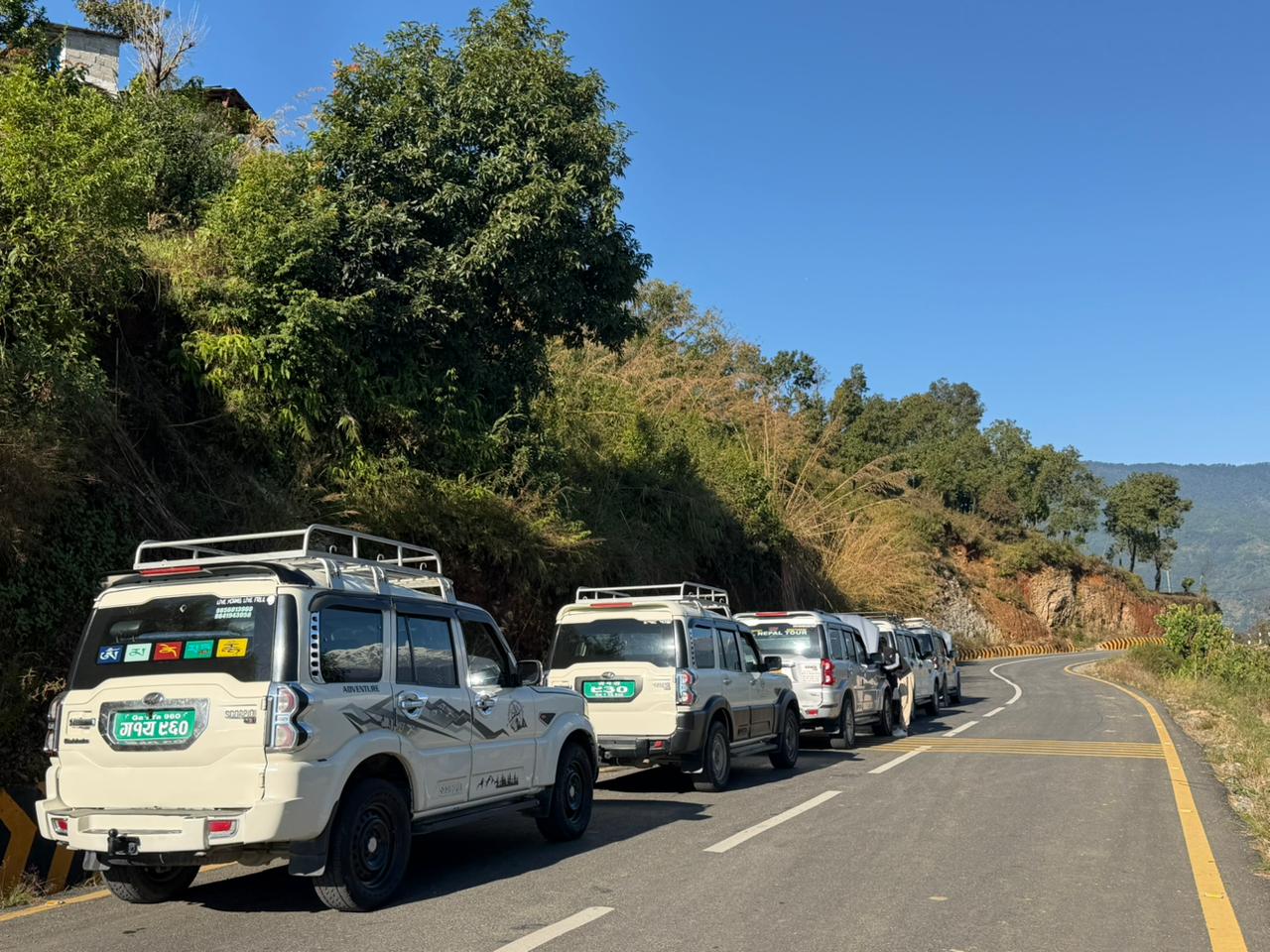
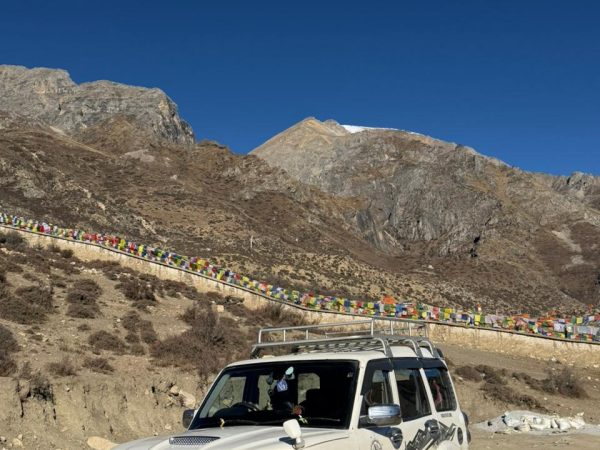
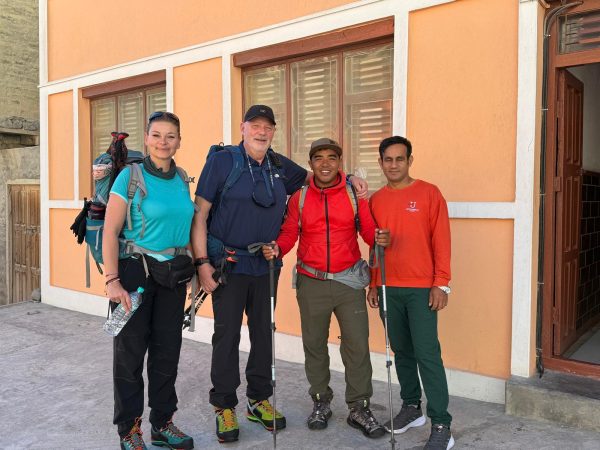
Overview This 12-day tour provides a comprehensive overland jeep tour of Upper Mustang, taking you deep into the heart of this ancient kingdom. Starting typically from Kathmandu or Pokhara, it […]
This 12-day tour provides a comprehensive overland jeep tour of Upper Mustang, taking you deep into the heart of this ancient kingdom. Starting typically from Kathmandu or Pokhara, it allows for a more relaxed pace, more in-depth cultural exploration, and better acclimatisation to the high altitude. The journey traverses dramatic landscapes, from deep gorges to arid desert plateaus, culminating in the unique heritage and breathtaking scenery of Upper Mustang, making it an ideal choice for those seeking an unforgettable and culturally rich holiday in Nepal.
In Upper Mustang, participants will discover ancient monasteries and important cultural sites, which are integral to the Tibetan Buddhist heritage of the region. Each stop reveals stories from the past, with local guides sharing insights into the traditions and customs that have endured for centuries. Visitors can also explore the remote villages, where the daily life of the Mustang people unfolds against the backdrop of the stunning landscapes. This cultural immersion, combined with the off-road adventure of a jeep tour, creates a truly memorable experience for travellers who are passionate about discovering new places and learning about ways of life.
The Jeep tour is designed with acclimatisation in mind, ensuring travellers the time needed to adjust their trip to the higher altitude of the Upper Mustang. Wait strategically at stops along the route. People enjoy stunning views while allowing their bodies to adapt. From traversing a rugged landscape to welcoming locals, this itinerary offers a perfect seven-day Comprehensive overland jeep tour of Upper Mustang, taking you deep into the heart of this ancient Kingdom. Starting typically from Kathmandu or Pokhara, it allows for a more relaxed pace, more in-depth cultural exploration, and better acclimatisation to the high altitude. This is dramatic. Landscapes from deep gorges to arid desert plateaus culminate in the historic walled city of Lo Manthang. This Jeep tour attracts adventurers looking to experience the unique heritage and breathtaking scenery of Upper Mustang, making it an ideal choice for those seeking an unforgettable and culturally enriching holiday in Nepal.
A journey through Upper Mustang is not just an adventure; it’s a chance to create lasting memories while connecting to one of Nepal’s most fascinating areas with a mix of relaxation and exploration. Those interested in photography will find countless opportunities to capture the vistas and cultural heritage of this region.
Spring (March to May) and Autumn (September to November) offer the best weather, withclear skies along with the blossom of a wide range of vibrant created by flora.
Summer (June to August) is also viable as the Upper Mustang is in a rain shadow, receivingless mountain rain. However, the approach roads outside the area can still be affected by themonsoon.
Winter (December to February) is generally too cold and snowy for comfortable travel.
While the Upper Mustang trek is rated as moderate, good physical preparation significantly enhances your enjoyment and reduces the risk of altitude-related issues. And even though it is a jeep tour, maintaining fitness is recommended for your physical and overall health.
Start early: Begin your training programme at least four to six weeks (ideally 2 to 3 months) before your departure date.
Cardiovascular Fitness: Focus on exercises that improve your stamina and lung capacity.
Strength training: Build strength, particularly in your legs, core and shoulders. This helps with ascents, descents and carrying a day pack.
Hiking practice: The best preparation is hiking.
Flexibility and balance: Incorporate stretching, yoga or Pilates to improve flexibility and balance, crucial for navigating uneven trails.
Listen to your body: Don’t overtrain, allow for rest days.
Consult your doctor: Before embarking on a high-altitude trek, it is highly recommended to consult your doctor, especially if you have any pre-existing medical conditions. Discuss high altitude sickness medication options, like Diamox, if considering them.
Travelling to Upper Mustang offers a unique cultural immersion. Practising responsible tourism helps preserve its pristine environment and rich heritage.
Respect local culture and traditions:
Environmental responsibility
Support the local economy.
Interact respectfully
Step back in time to the ancient Kingdom of Lo, A land steeped in history and spiritual significance.
Upper Mustang, nestled in the rain shadow of the Annapurna and Dhaulagiri ranges, was historically part of the Ngari region of Tibet. First century, it remained self self-governing Kingdom with its king, also known as the “King of Lo”. The capital of Lo Manthang was a walled city, a vibrant centre of trade and a stronghold of Tibetan Buddhism.
Due to its strategic location on this salt trade route between Tibet and India, Mustang flourished, developing a unique culture, architecture and spiritual practices largely untouched by the outside world. It maintained a distinct identity even after its integration into Nepal in the 18th century, with its monarch continuing to hold a ceremonial role until 2008.
Declared a restricted area by the Nepali government until 1992, Upper Mustang has preserved its pristine Tibetan Buddhist culture, traditional way of life and incredible medieval landscapes. The region’s arid high desert environment with its dramatic eroded cliffs, multi-hued canyons and ancient sky caves tells the story of millennia of geological and human history. Trekking through Upper Mustang is not just a journey through stunning scenery, but a profound encounter with living history and resilient culture, often referred to as the “Last Forbidden Kingdom.”
Altitude sickness is a sly monster and can strike anyone out of nowhere. It usually occurs when travellers ascend too quickly or without properly acclimatising and is common once the traveller exceeds 2,500 m / 8000 ft. This usually occurs due to the thinning of the atmosphere with the rise in elevation, as the body lacks oxygen in the blood. Below are some of the signs, symptoms, and preventive/treatments:
Signs of altitude sickness
Preventive/treatment
During the Upper Mustang trek, access to water and electricity might vary depending on the specific point on the trail. Electricity is available in some villages, primarily in the form of solar power or small hydroelectric plants. Most teahouses offer charging facilities for electronic devices in the form of solar and hydroelectric plants.
A key point to remember about power supply is that despite its availability, the power might sometimes be inconsistent due to harsh weather, and there might even be a small charge for powering your devices. In some far-distant regions, power might not even be available, so it is very much recommended that you take a power bank with you. While electricity might incur added costs to recharge mobile phones and other electronic devices. As for water, it is available in different forms like streams and rivers, and many teahouses along the trail also provide boiled water for trekkers. However, it’s advisable for you and every foreign trekker they carry a water bottle with you as your body is not well-adapted to the new water. If you want, you can also carry water purification tablets to ensure the safety of water, especially in remote regions.
Sometimes, on the trail, mineral water bottles might not be available right away, ay with the only choice for local tap water, and to make it suitable for your guts, it is recommended that you rather have some purification tablets.
During the trip, you’ll get access to internet services here in Kathmandu without any hassle, but while on the route or in the teahouse or lodge, you might have to bear an extra charge. With the rising elevation of the trip, the internet gets out of reach, leaving only the phone as a choice.
Talks with fellow teammates will be at least once a day to ensure safety and get the update, but keep in mind that mobile signals might not be available to have many or long talks.
You can also buy a SIM card that costs just $1 from any local communication service operator or mobile phone service centres, for which you might need to provide the following:
As for the passport and visa, you can get an on-arrival visa at the TIA, and Indian nationals do not require any sort of visa but rather a valid identification document to get to Nepal. As for the nationals needing to have a visa, a visa application is needed with at least six months of validity, a passport-sized photo and visa charges. Citizens of SAARC nations will be granted free visas. Since it’s government-based regulatory work, the policy might change even without advanced notice. So, to be updated, you can visit the site for visa information, CLICK HERE:
All travellers must have travel insurance as situations like natural causes such as landslides, avalanches, altitude sickness and many other unforeseen circumstances might strike out of the blue.
In case of emergencies, an airlift might be needed, which will be covered by your insurance and should be enough to do so.
($1=130 NPR)
Foreign currencies are not directly valid in Nepal, so you can exchange them in your hotel or at any currency exchange centre. Besides Nepalese currencies, only Indian currencies are valid.
The Langtang Valley trek is a moderately challenging trek that demands a proficient level of physical fitness and health. To ensure a safe and enjoyable experience, trekkers should consider the medical fitness and health requirements mentioned below:
Medical check-up:
A thorough medical checkup is recommended before embarking on the trek. Individuals with pre-existing health conditions, particularly heart or respiratory issues, should consult health care professionals.
Hydration and nutrition:
Staying hydrated is essential, especially at higher elevations. Trekkers should drink plenty of water and consume a balanced diet rich in carbohydrates, proteins and healthy fats to maintain energy levels.
First aid kit:
Carry a personal first aid kit that includes medications for altitude sickness, pain relief, and any other personal prescriptions.
Mental preparation:
Trekking can be mentally challenging, just as physically preparing yourself for a long day of walking and potential weather changes. A positive mindset and determination are key to overcoming obstacles.
Travel insurance:
It is advisable to have travel insurance that covers tracking activities and emergency evacuation in case of health issues. By adhering to these medical fitness and health requirements, travellers can enhance their experience in the breathtaking Langtang Valley while ensuring their safety and well-being.
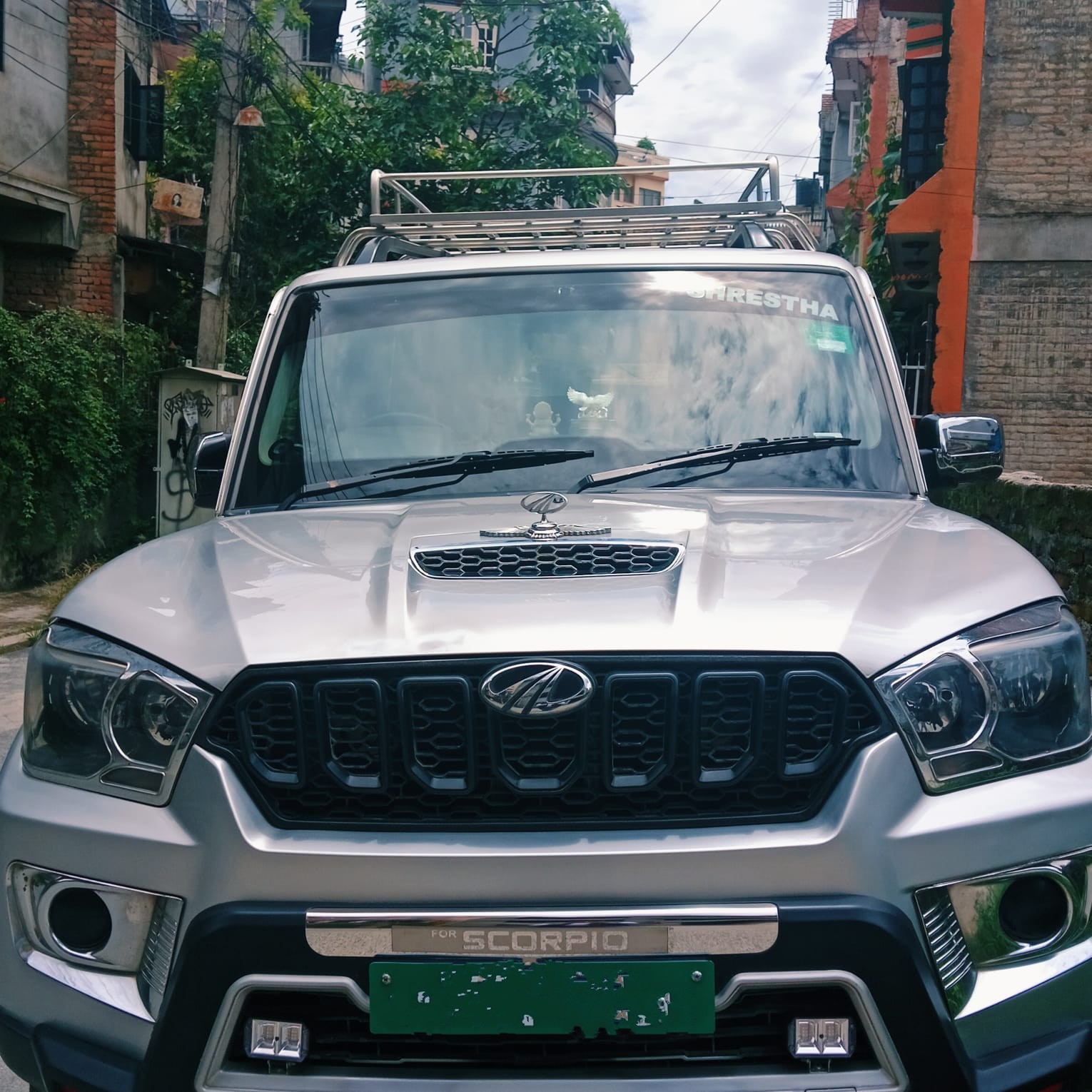
While it's good for 4WD, the roads in Upper Mustang are mostly rough gravel and dirt tracks.
Expect a bumpy but adventurous ride. The comfort level is basic, and improves, especially in
upper Mustang, and they provide a warm bed and meals.
A minimum of two foreign nationals are required to obtain the Upper Mustang restricted area
permit. Solo travel is not allowed.
Both options are available; you can join a fixed departure group tour, which can be more
cost-effective, or arrange a private Jeep tour with a customised itinerary.
Reputable tour operators use experienced drivers and well-maintained 4WD jeeps. While the
roads can be challenging, safety is a priority. Road conditions can vary, especially during the
monsoon, so trust your operators to have judgment.
Teahouses' menus as generally limited but offer stable Nepali and Tibetan dishes like Dal Bhat,
momo, thukpa, Fried noodles, and basic continental options. Vegetarian options are widely
available.
Mobile data coverage is sparse in Upper Mustang. Some lodges might offer Wi-Fi, often
satellite, for a fee, but it can be slow and unreliable. It's an excellent opportunity to disconnect
and immerse yourself.
Yes, most trekking agencies are flexible and can customise the itinerary to your preferences,
adding extra days for acclimatisation, additional exploration or extending your stay in specific
locations.
You will be staying at elevations between 2700 metres and 3800 metres, with drives up to 4,200
metres. To prevent altitude sickness, stay hydrated slowly, avoid alcohol and inform your guide if
you feel any symptoms. The seven-night, eight-day itinerary allows for more gradual
acclimatisation than shorter trips.
Yes, respect for local customers. Always walk clockwise around Chortens, Mani Walls and
monasteries. Ask for permission before taking photos of people dressed modestly, especially
when visiting religious sites.