Introduction This nine-day overland jeep tour takes you deep into the heart of the Annapurna region, offering a thrilling blend of cultural immersion, stunning Himalayan landscapes and the exhilarating challenge […]
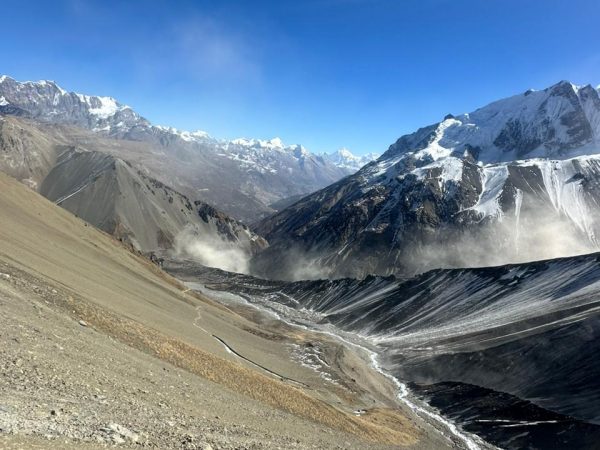
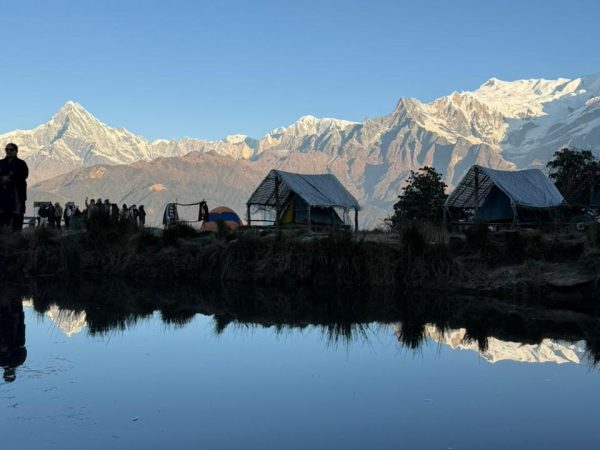
This nine-day overland jeep tour takes you deep into the heart of the Annapurna region, offering a thrilling blend of cultural immersion, stunning Himalayan landscapes and the exhilarating challenge of reaching the pristine Tilicho Lake. Eschewing long treks for comfortable Jeep rides, this itinerary allows you to cover more ground and witness the dramatic transition from lush hills to arid and high-altitude terrain. Prepare for an unforgettable journey through the diverse ecosystem and a traditional Nepalese village.
This tour is designed to provide a unique perspective on the Annapurna region, offering access to the remote areas that would otherwise require extensive trekking. You will experience the comfort and speed of a private Jeep, allowing you more time to absorb the breathtaking scenery and cultural nuances of each stop. From the bustling capital to the serene high Himalayas, this adventure promises are rich and varied experience for those seeking both comfort and exploration.
For your Upper Manang overland jeep tour, including the Tilicho Lake hike, you’ll require the following permits.
Annapurna Conservation Area permit (ACAP): This permit is essential as the entire route, including Tilicho Lake, falls within the Annapurna Conservation Area. The fee for foreigners is generally NPR 3000, approximately USD 25 to 30.
Trekker’s Information Management System (TIMS) card: The card is mandatory for all trekkers in Nepal to ensure their safety and for data management purposes. The fee for an organised trek is approximately NPR 1,000 (approximately USD 8-10), and for an independent trekker, it’s NPR 2000.
Your tour operator typically handles the process of obtaining these permits on your behalf after providing them with the necessary documents (passport copy, passport-sized photo)
AMS (Acute mountain sickness) Prevention and symptoms.
General health: Basic hygiene practices (hand washing), avoiding tap water unless purified, and eating well-cooked food.
Emergency contact information: Suggest carrying emergency contact details (tour operator, embassy, family) on their person.
Local Medical Facilities: Briefly mention that medical facilities in remote areas are very basic, reinforcing the need for travel insurance and a comprehensive first aid kit.
Drinking water will be available for you throughout the trip in different local shops to buy and refill at teahouses. But it’s advised for foreigners to buy mineral water bottles or at least boil their water before drinking, as the water is straight from the source. Might not settle with your Physiology due to the new environment, despite the water being clean and drinkable.
There are different methods to obtain water to drink as follows:
Filtration process: There are several purification methods that travellers can use for water purification besides the mentioned ones, which can be useful even in times of emergency, particularly for solo adventure travellers to know about them, such as:
1. Water purification tablets:
2. Portable water filters:
3. UV sterilisers (Steripen):
Tips:
Currency: Nepali rupees (NPR).
Cash vs card: Emphasised carrying sufficient Nepali rupees, especially for smaller purchases and remote villages and tipping. ATMs are only available in larger towns like Kathmandu and Besisahar, and even then, they may not always be reliable. Credit cards are rarely accepted outside of major city hotels.
Tipping etiquette: Provide general guidance on tipping guides, drivers and guest house staff. This is a significant part of the income for many involved in tourism in Nepal.
“Jutho”: Explain the concept of “Jutho” (Impure food items touched with someone else’s mouth and its implication for sharing food.
Head and feet: Reiterate that the head is Sacred and feet are impure- Avoid pointing the feet at people or religious objects, and do not touch people’s heads.
Patience: Highlight that things move at a slower pace in rural Nepal, and patience is a virtue.
Weather specifics and microclimates: While you mentioned the best seasons, elaborate on a potential temperature swing within a single day. Warm sun but cold shared very cold nights at higher altitudes. It would be helpful.
Mentioning the “rain shadow” effect in modern which makes it drier even during the monsoon (though road accessibility remains an issue)
Flexibility and contingency: Reiterate that itineraries are guidelines and can change due to weather, Landslides, snow, and local strikes. Emphasise the importance of having a buffer day and a flexible attitude.
While it’s a Jeep tour, the hike to Tilicho Lake is strenuous, suggesting some light physical preparation like walking, jogging or stair climbing in the weeks leading up to the trip.
Packing list
Yes, well, there's a hike to Tilicho Lake and the majority of the tour is by Jeep, making it accessible for those with moderate fitness and no extensive trekking background. The hike to Tilicho Lake is accessible but challenging and manageable for reasonably fit individuals.
The best times are during Spring (March to May) and Autumn (September to November) when the weather is stable, the skies are clear, and mountain views are at their best. Winter can be very cold with heavy snow, and monsoons (June-August) bring the risk of a landslide.
Layered clothing is essential due to varying temperatures, including warm down jackets, fleece, thermal wear, waterproof or windproof outer shells, comfortable trekking shoes, hats, gloves and sun protection, sunglasses, and sunscreen.
The itinerary incorporates a gradual ascent and a night in Manang for acclimatization. It's crucial to stay hydrated, ascend slowly during the hike to Tilicho base camp and report any symptoms to your guide immediately. Medications like Diamox can be discussed with your doctor before the trip.
Yes, most guest houses in the larger villages like Dharapani and Manang have charging facilities, though there might be a small fee, it's advisable to carry a power bank for smaller stops or during the hike.
You can expect a mix of local Nepali cuisine (Dal Bhat, MoMo, noodles), some Tibetan dishes, and often basic Western cuisine. Vegetarian and vegan meals are generally available upon request.
Limited Wi-Fi and mobile network coverage are available in Manang and some larger villages, often for a fee. Connectivity is generally unreliable in higher and more remote areas, including the Tilicho base camp.
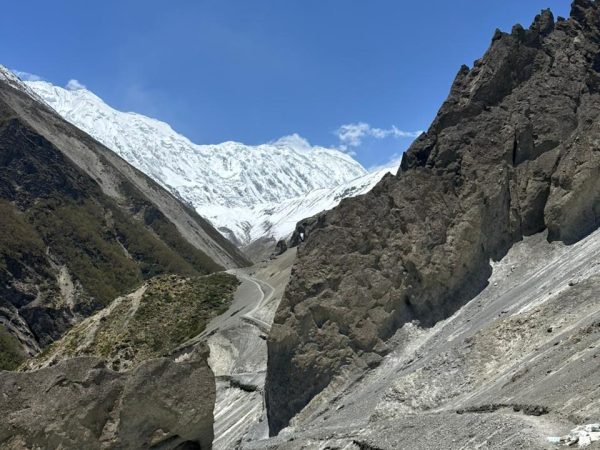
The road from Manang to Khangsar is rough. Beyond Khanfsar, it’s a hiking trail to Tilicho Basecamp, which involves navigating rocky and sometimes landslide-prone areas. It's input to have sturdy footwear and prepare for the challenging terrain.