Overview The Annapurna Circuit with Tilicho Lake Trek is one of Nepal’s most spectacular high-altitude adventures, combining the pristine beauty of the world’s highest lake with the classic Annapurna Circuit […]
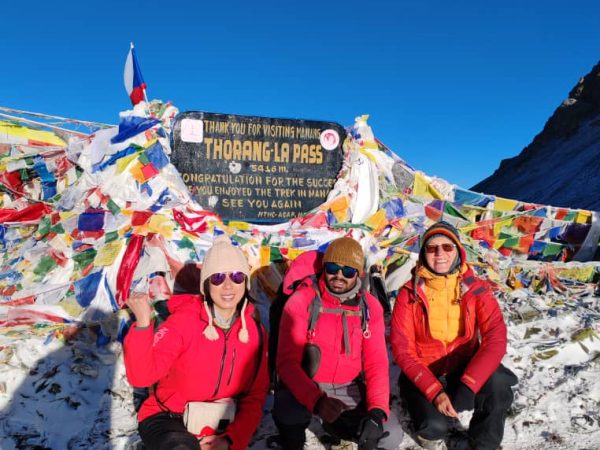
The Annapurna Circuit with Tilicho Lake Trek is one of Nepal’s most spectacular high-altitude adventures, combining the pristine beauty of the world’s highest lake with the classic Annapurna Circuit experience. This 19-day journey takes you through diverse landscapes—from subtropical valleys to alpine meadows, across the challenging Thorang La Pass at 5,416 meters, and into the remote wilderness surrounding the stunning Tilicho Lake.
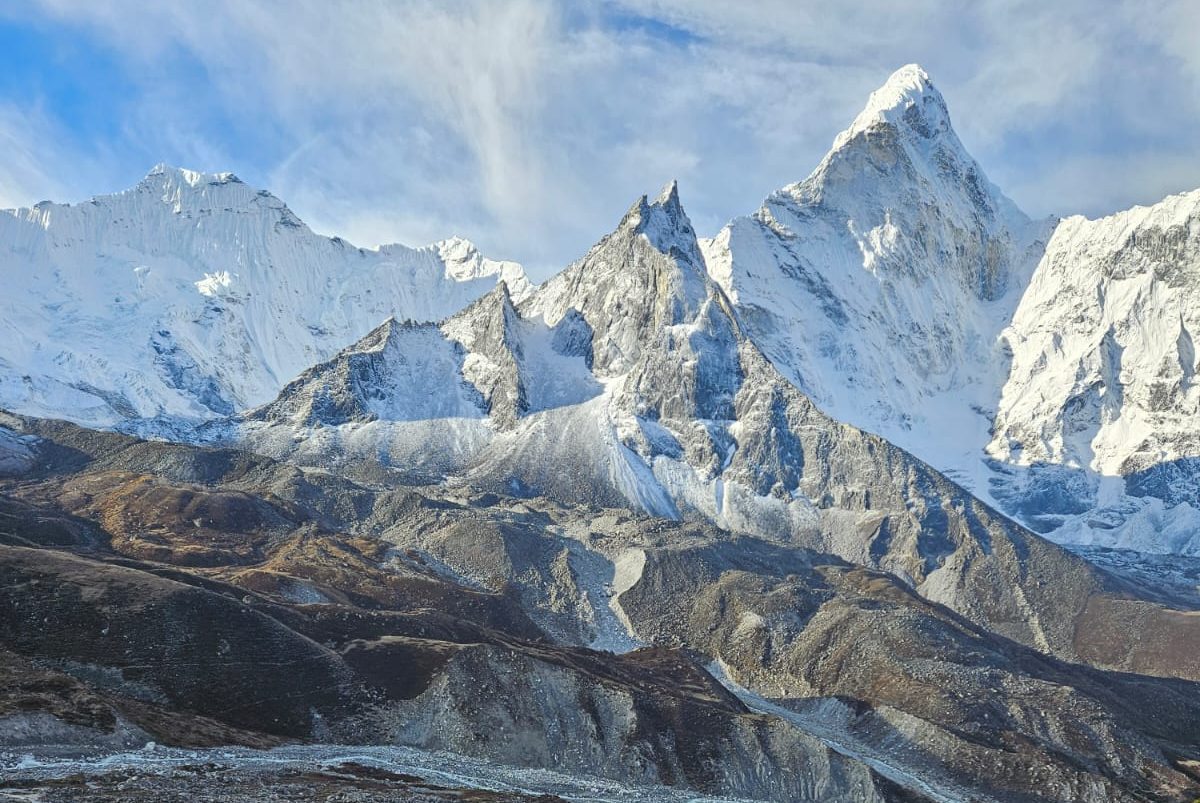
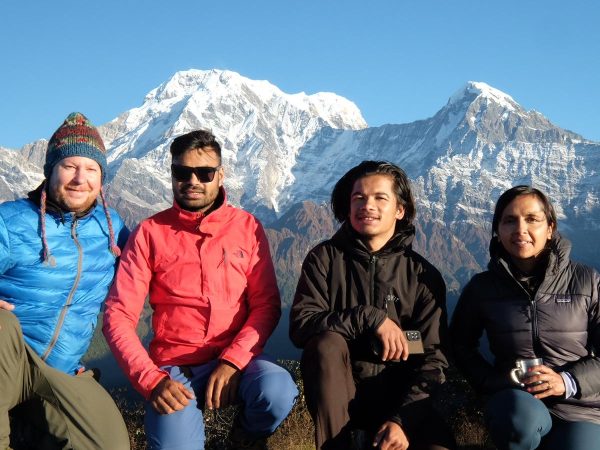
What makes this trek extraordinary is its perfect blend of natural grandeur and cultural immersion. You’ll traverse through traditional Manang villages where centuries-old Buddhist traditions thrive, walk beneath towering peaks like Annapurna II, III, and IV, Gangapurna, and Tilicho Peak, and experience the raw beauty of the Himalayas in their most authentic form.
At Himalayan Guide Treks Pvt. Ltd., we’ve designed this itinerary to maximize your safety and enjoyment while minimizing environmental impact. Our expert local guides know every trail, monastery, and viewpoint, ensuring you experience the Annapurna region’s magic while staying safe at high altitudes.
This trek suits adventurous travelers seeking a challenging yet rewarding Himalayan experience. Ideal candidates include:
While previous high-altitude experience helps, determination and good physical fitness are most important. Our guides adapt the pace to your group’s needs, ensuring everyone enjoys the journey safely.
Grade: Moderate to Strenuous
This trek demands good physical conditioning and mental preparation. Challenges include:
Preparation recommendations: Train with cardiovascular exercises (hiking, running, cycling) for 2-3 months before departure. Practice hiking with a daypack on consecutive days to build endurance.
Spring Season (March-May): Excellent choice with warming temperatures, blooming rhododendrons, and clear mountain views. March can be cooler at high passes, while May offers more stable weather.
Autumn Season (September-November): Peak trekking season with crystal-clear skies, perfect visibility, and comfortable temperatures. October is particularly popular but busier on trails.
Winter (December-February): Possible for experienced trekkers but extremely cold at high elevations. Thorang La may be snow-covered and challenging.
Monsoon (June-August): Not recommended due to heavy rainfall, leeches at lower elevations, and obscured mountain views, though Manang’s rain-shadow location receives less precipitation.
For this trek, you’ll need:
Himalayan Guide Treks arranges all permits on your behalf. We handle the paperwork efficiently, requiring only your passport copies and photos. This service is included in our package price, eliminating bureaucratic hassles so you can focus on your adventure.
Lodging: You’ll stay in comfortable teahouses and lodges throughout the trek. Accommodations range from well-established lodges in popular areas like Manang to simpler facilities near Tilicho Lake. Rooms typically offer twin beds with blankets, though private bathrooms become rare at higher elevations.
Meals: Enjoy delicious and nutritious meals three times daily. Menus feature Nepali dal bhat (lentil soup with rice—unlimited refills!), Tibetan dishes, pasta, soups, and even continental options. We prioritize high-calorie foods at altitude to maintain your energy. Vegetarian options are abundant and fresh.
Tea houses provide boiled/filtered water, and we recommend bringing purification tablets as backup. Hot drinks like tea, coffee, and hot chocolate are available for purchase.
Kathmandu to Trek Start: Scenic 7-hour drive via the Prithvi Highway to Syange, passing through beautiful countryside, terraced fields, and riverside towns.
Trek End to Pokhara: Quick 22-minute mountain flight from Jomsom offering spectacular aerial views of Dhaulagiri and Annapurna ranges.
Pokhara to Kathmandu: Choice of 25-minute scenic flight or 6-hour drive along the highway.
Himalayan Guide Treks provides comfortable private vehicles or tourist coaches depending on group size, ensuring your journey is as enjoyable as the trek itself.
Proper acclimatization is critical for success and safety:
Altitude sickness awareness: Our guides monitor your health daily and carry oximeters to check oxygen saturation. Symptoms include headaches, nausea, dizziness, and sleep disturbances. Immediate descent is the best remedy for severe symptoms.
At Himalayan Guide Treks, our team makes the difference:
Our team handles logistics, navigation, accommodation arrangements, and serves as cultural interpreters, transforming your trek into an educational and deeply rewarding experience.
Mandatory coverage must include:
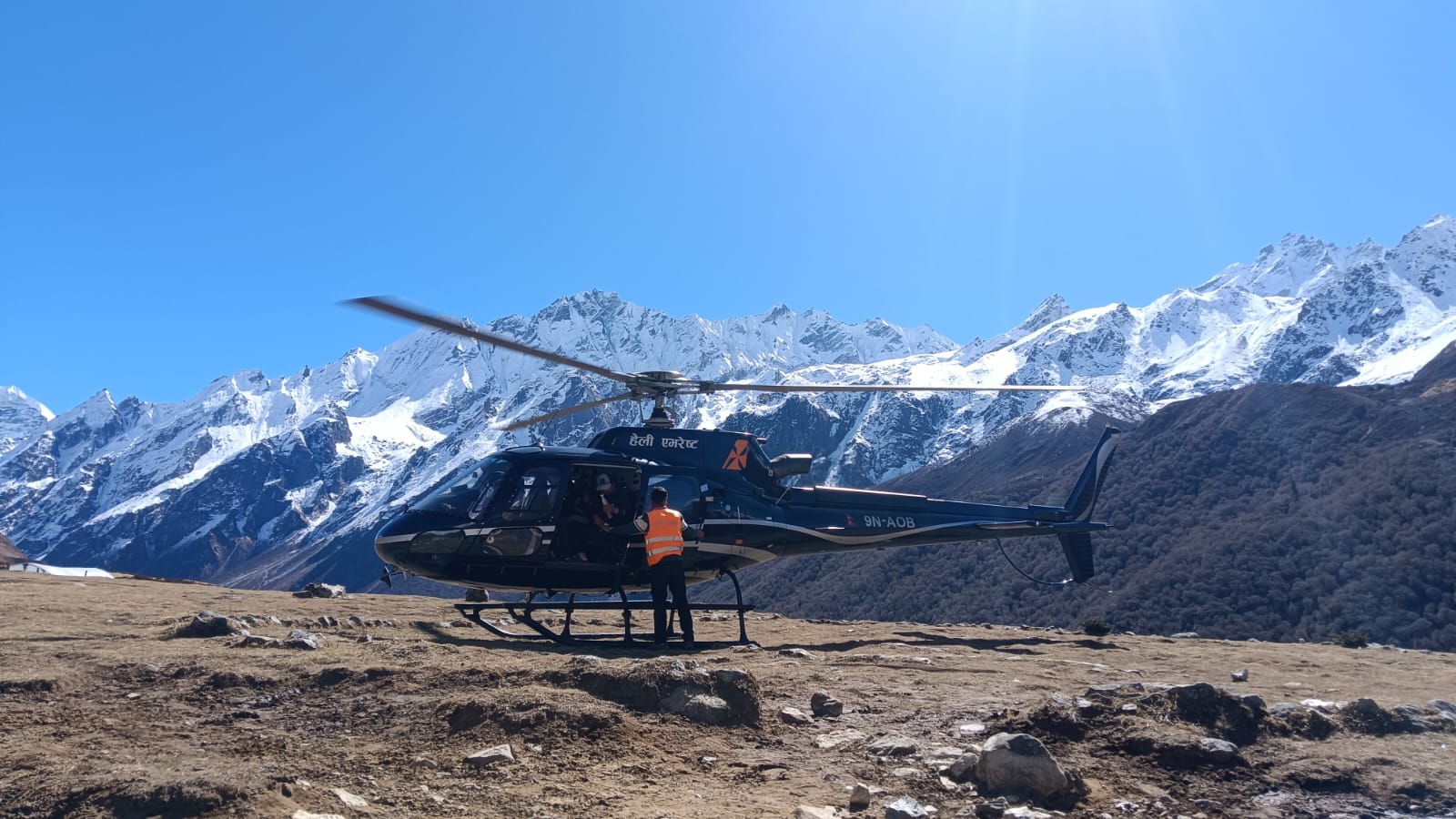
Helicopter rescues from high altitude can cost $3,000-$7,000. Comprehensive insurance protects you financially and ensures rapid response in emergencies. We recommend World Nomads, IMG Global, or similar providers experienced with Himalayan trekking.
Day 1: Arrival in Kathmandu (1,350 m / 4,429 ft) – Transfer to hotel, rest and acclimatize
Day 2: Kathmandu to Besisahar, drive to Dharapani (1,965 m / 6,447 ft) – 8–9 hours drive
Day 3: Dharapani to Chame (2,670 m / 8,760 ft) – 5–6 hours trek
Day 4: Chame to Upper Pisang (3,300 m / 10,827 ft) – 5–6 hours trek
Day 5: Upper Pisang to Manang (3,540 m / 11,614 ft) – 5–6 hours trek
Day 6: Rest Day in Manang – Optional hikes to Ice Lake or Gangapurna Lake (3,600–4,000 m / 11,811–13,123 ft)
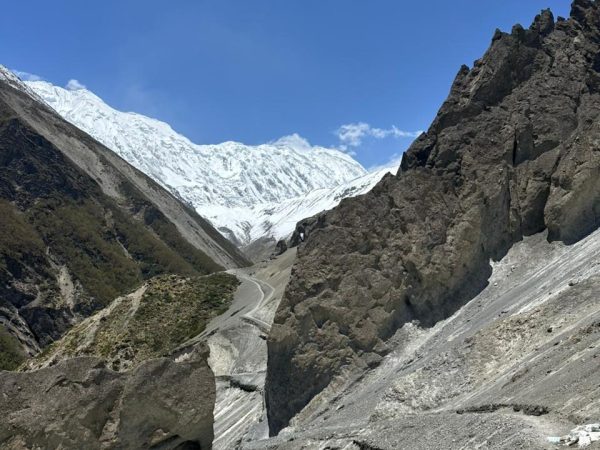
Day 7: Manang to Tilicho Base Camp (4,900 m / 16,076 ft) – 6–7 hours trek
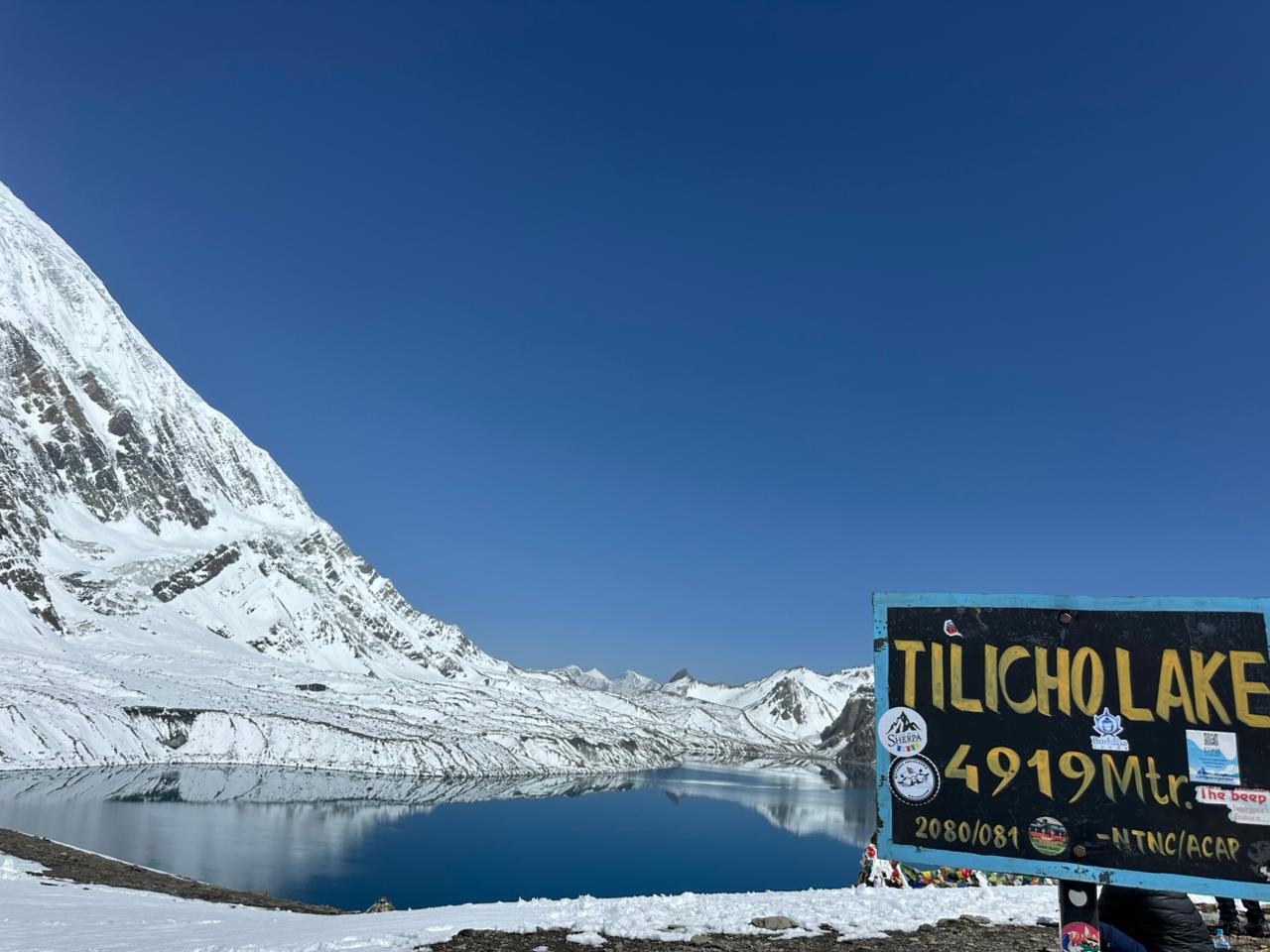
Day 8: Hike to Tilicho Lake (4,919 m / 16,138 ft) and return to Shree Kharka (4,050 m / 13,287 ft) – 6–7 hours trek
Day 9: Shree Kharka to Yak Kharka (4,000 m / 13,123 ft) – 4–5 hours trek
Day 10: Yak Kharka to Thorong Phedi (4,550 m / 14,928 ft) – 4–5 hours trek
Day 11: Thorong La Pass (5,416 m / 17,769 ft) to Muktinath (3,800 m / 12,467 ft) – 7–9 hours trek
Day 12: Muktinath to Jomsom (2,700 m / 8,858 ft) – 4–5 hours trek
Day 13: Drive Jomsom to Pokhara (850 m / 2,789 ft) – 6–7 hours drive
Day 14: Drive Pokhara to Kathmandu (1,350 m / 4,429 ft) – 6–7 hours drive
A: While challenging, determined beginners in good physical condition can succeed with proper training. Previous multi-day hiking experience helps significantly.
A: Our gradual ascent profile and acclimatization days minimize risk. Guides monitor health daily and adjust plans if needed.Descent is always an option.
A: Absolutely! We welcome solo trekkers and match you with existing groups or arrange private treks based on your preference.
A: All permits, accommodation during trek, meals during trek, guide/porter services, transportation as per itinerary, and Kathmandu/Pokhara hotels. International flights, travel insurance, personal expenses, and drinks are excluded.
A: Much less crowded than the main Annapurna Circuit. The side trip to Tilicho sees fewer trekkers, offering peaceful wilderness experience.
A: Yes, most lodges offer charging services for a small fee (becomes more expensive at higher elevations). Bring power banks as backup.
Q: Is WiFi available?
A: Available in lower villages but spotty or unavailable above Manang. Embrace the digital detox!
A: We monitor conditions closely and have contingency plans. If unsafe, we'll wait or arrange alternative routes/helicopter assistance if necessary.
A: Capable of hiking 5-7 hours daily with elevation gain, carrying a daypack. Start training 2-3 months before with cardio and hiking practice.
A: Last reliable ATM is in Besisahar. Bring sufficient Nepali rupees cash for personal expenses, though most lodges accept major currencies.
A: Nepal excels in vegetarian cuisine! Vegan options are available with advance notice to lodges.
A: Yes! We specialize in tailored itineraries matching your schedule, interests, and fitness level. Contact us to discuss modifications.