Mera Peak Climbing

Standing tall at 6,476 meters, Mera Peak holds the distinction of being Nepal’s highest trekking peak. Located in the pristine Hinku Valley of the Everest region, this magnificent mountain offers […]

Duration: 13 Days
Best Time: Spring (March to May) and Autumn (September to November)
Trip Grade: challenging
Start from Kathmandu and End to Kathmandu
Min 2 to Max 10 Pax in a group
Meals: Breakfast, Lunch and Dinner
Accommodation: Tea house

Highlights

  • Spectacular Mountain Views: From the summit, witness an incredible panorama featuring five of the world's fourteen highest peaks: Mount Everest (8,849m), Makalu (8,481m), Kanchenjunga (8,586m), Lhotse (8,516m), and Cho Oyu (8,188m). This view alone makes the challenging ascent worthwhile.
  • Remote Valley Exploration: Trek through the untouched Hinku and Hongu valleys, experiencing authentic Himalayan wilderness away from mainstream trekking routes. The journey showcases diverse landscapes from subtropical forests to high alpine glaciers.
  • Cultural Immersion: Encounter warm Sherpa hospitality and experience traditional mountain life in remote settlements. Visit ancient Buddhist monasteries, prayer wheels, and sacred sites along the trail.
  • Ideal Training Peak: Recognized as an excellent preparation climb for aspiring mountaineers planning future expeditions to higher peaks like Everest, Manaslu, or other 8,000-meter giants.
  • Makalu Barun National Park: Pass through this protected area, home to rare wildlife including red pandas, snow leopards, Himalayan black bears, and diverse bird species.
  • High Mountain Passes: Cross several dramatic passes including Zatrwa La (4,600m), Chutok La (2,945m), Kari La (2,800m), and Panggom La (3,174m), each offering unique perspectives of the surrounding peaks.

Standing tall at 6,476 meters, Mera Peak holds the distinction of being Nepal’s highest trekking peak. Located in the pristine Hinku Valley of the Everest region, this magnificent mountain offers adventurers an exceptional opportunity to experience high-altitude mountaineering without extreme technical difficulty. For those dreaming of conquering a Himalayan giant, Mera Peak serves as the perfect stepping stone, combining breathtaking panoramic views of five of the world’s highest mountains with a challenging yet achievable ascent.

First summited by Col. Jimmy Roberts and Tenzing Norgay on May 20, 1953, Mera Peak has since become a beloved objective for mountaineers worldwide. Whether you’re a beginner looking to test your limits or an experienced climber adding to your portfolio, this expedition promises an unforgettable journey through remote valleys, ancient forests, and stunning glacial landscapes.

Understanding Mera Peak’s Difficulty

Technical Requirements

Mera Peak is classified as Alpine Grade PD (Peu Difficile) in the international alpine grading system. This means the climb involves some technical sections but remains accessible to climbers with basic mountaineering skills. Previously rated as Grade F (Facile or Easy), the classification changed due to glacier retreat and increased technical demands near the summit.

The final 40 to 50 meters require using jumars (ascending devices) and fixed ropes to navigate the steep snowy dome. However, most of the ascent follows straightforward snow slopes without complicated technical climbing.

Main Challenges

Altitude: The primary difficulty comes from the significant elevation gain. Acclimatization becomes crucial as oxygen levels decrease substantially above 5,000 meters.

Weather Conditions: High altitude brings cold temperatures, strong winds, and unpredictable weather patterns that can test your endurance.

Physical Stamina: The expedition demands good cardiovascular fitness and muscular endurance for long days of trekking and climbing.

Mental Preparation: Staying motivated and positive during challenging conditions requires mental strength and determination.

Despite these challenges, Mera Peak remains one of the most achievable 6,000-meter peaks in Nepal, with proper preparation and experienced guidance ensuring high success rates.

Best Time to Climb Mera Peak

Spring Season (March to May)

Spring offers exceptional conditions for Mera Peak climbing. As winter snow melts and temperatures warm, the mountain becomes more accessible while maintaining stable weather patterns.

Advantages:

  • Comfortable daytime temperatures ranging from 15°C to 20°C
  • Clear visibility for photography and mountain views
  • Rhododendron forests in full bloom with vibrant colors
  • Longer daylight hours for extended trekking time
  • Active wildlife and migratory birds
  • Lower probability of heavy snowfall

Temperature Range:

  • Day: 15°C to 20°C
  • Night: -8°C to -12°C

Autumn Season (September to November)

Following the monsoon rains, autumn presents crisp, clear conditions ideal for high altitude mountaineering. This season attracts the most climbers due to consistently stable weather.

Advantages:

  • Pristine visibility after monsoon rains
  • Stable and dry weather conditions
  • Pleasant temperatures with refreshing breezes
  • Excellent photography opportunities
  • Cultural festivals in Sherpa villages
  • No leeches or insects
  • Wildlife preparing for winter hibernation

Temperature Range:

  • Day: 14°C to 20°C
  • Night: -5°C to -10°C

Both seasons provide excellent climbing conditions. Choose spring for blooming nature and warmer temperatures, or autumn for the clearest mountain views and cultural experiences.

Training and Preparation

Physical Conditioning

Mera Peak demands excellent physical fitness due to its high altitude and multi-day trekking requirements. Unlike standard treks, this expedition includes actual mountaineering on ice and snow, requiring comprehensive preparation starting four to six months before departure.

Strength and Endurance Training:

  • Squats, lunges, and leg curls for lower body power
  • Push-ups, pull-ups, and planks for upper body and core strength
  • Deadlifts, bench press, and dumbbell rows for overall conditioning
  • Weight training to build muscular endurance

Cardiovascular Fitness:

  • Long-distance running or jogging
  • Cycling for sustained aerobic activity
  • Swimming for full-body cardio
  • Jumping rope and burpees for interval training
  • Rowing for combined strength and cardio
  • Stair climbing with a weighted backpack

Mental Preparation:

  • Meditation for stress management
  • Breathing exercises for altitude adaptation
  • Visualization techniques for summit success
  • Building mental resilience and positive mindset

Recommended Training Schedule

Begin training at least four to six months before your expedition date. Gradually increase intensity and duration, focusing on building both strength and endurance. Include practice hikes with a loaded backpack to simulate trekking conditions.

Permits and Regulations

Required Permits

Mera Peak Climbing Permit: Issued by the Nepal Mountaineering Association (NMA), this permit is mandatory for all climbers attempting Mera Peak.

Makalu Barun National Park Entry Permit: Required as the trekking route passes through this protected conservation area.

Local Area Permits: Additional permits may be needed for specific regions along the trekking route.

Himalayan Guide Treks Pvt Ltd handles all permit arrangements on your behalf. Our experienced team ensures complete documentation and compliance with government regulations, eliminating bureaucratic hassles for our clients.

Why Choose Himalayan Guide Treks Pvt Ltd

Government Registered Company

Himalayan Guide Treks Pvt Ltd operates as a fully licensed and registered trekking company in Nepal. Our official registration ensures compliance with all government regulations and tourism standards, providing legal protection and reliable service for our clients.

Experienced Local Guides

Our mountaineering guides are native Nepalis with extensive experience in high-altitude expeditions. Born and raised in mountain regions, they possess intimate knowledge of the terrain, weather patterns, and local culture. Many of our guides have successfully summited major Himalayan peaks multiple times.

Safety First Approach

Client safety remains our absolute priority. We maintain comprehensive first aid kits, provide thorough pre-climb training, monitor weather conditions constantly, and adjust itineraries when necessary. Our guides carry communication devices for emergency situations.

Quality Equipment and Services

We provide well-maintained climbing equipment, comfortable tented camps at high altitudes, and nutritious meals throughout the expedition. Our porters carry group equipment, allowing clients to trek with manageable loads.

Transparent Pricing

Our package costs are clearly outlined with no hidden charges. The pricing includes all essential services: permits, accommodation, meals, guide and porter services, and domestic flights.

Responsible Tourism

We practice environmentally responsible trekking by following Leave No Trace principles, supporting local communities through fair wages and local purchases, and respecting cultural traditions and sacred sites.

High Success Rate

Himalayan Guide Treks Pvt Ltd maintains a 90 to 95 percent success rate for Mera Peak expeditions. Our carefully designed itinerary includes proper acclimatization days, experienced guidance, and flexible scheduling to maximize summit chances.

Itinerary

If you want tailor-made trip or want to personalize this itinerary, just feel free to contact us. We are always there to help you to make your holiday plan. Contact us

Day 01

Kathmandu to Lukla Flight and Trek to Paiya (2,730m)

Duration 5 to 6 hours
Altitude 2,730m
Accommodation Hotel
Meals Tea House
Your adventure begins with an exciting mountain flight from Kathmandu to Lukla, gateway to the Everest region. This 35-minute flight offers stunning aerial views of the Himalayan landscape. After meeting your trekking team in Lukla, the journey continues northward through beautiful pine, rhododendron, and juniper forests. The trail descends to Surke before climbing to Chutok La Pass at 2,945 meters. From here, a gradual path leads to Paiya, a charming settlement offering views of Kongde Ri, Khatang, and nearby peaks.
Day 02

Paiya to Panggom (2,846m)

Duration 5 to 6 hours
Altitude 2,846m
Accommodation Tea house
Meals Breakfast, lunch, and dinner
Today's trek descends to a wooden bridge crossing the valley floor before climbing toward Kari La Pass at 2,800 meters. The trail can be slippery, requiring careful footing. After the pass, you rejoin forested paths adorned with rhododendron, bamboo, and pine. Passing Phaplu Village, the route follows terraced landscapes alongside the Dudhkoshi River. Panggom, your destination, serves as a local farming and trading hub surrounded by agricultural fields that display seasonal colors.
Day 03

Panggom to Ramailo Dada (3,276m)

Altitude 3,276m
Accommodation Tea house
Meals Breakfast, Lunch and Dinner
Leaving Panggom, you trek toward Ningsow through lush bamboo and rhododendron forests, passing Buddhist monasteries, chortens, and prayer stones. The trail crosses Panggom La Pass at 3,174 meters, revealing views of Naulekh, Mera South Face, and Kongde Peaks. A long, steep descent brings you to the valley bottom where you cross the Hinku River via suspension bridge. The final two-hour climb up the hillside leads to the eastern valley of Ramailo Dada.
Day 04

Ramailo Dada to Chhatra Khola (2,800m)

Altitude 2,800m
Accommodation Tea house
Meals Breakfast, Lunch and Dinner
This exhilarating day takes you through magnificent rhododendron forests painted with red and pink blooms. Multiple ascents and descents lead to the entrance of Makalu Barun National Park, a significant highlight offering chances to spot rare wildlife like red pandas, snow leopards, wild boars, Himalayan marmots, and black bears. Following the scenic Pasang Lhamu Trail, you arrive at Chhatra Khola where comfortable accommodation awaits.
Day 05

Chhatra Khola to Kothe (3,691m)

Altitude 3,691m
Accommodation Tea house
Meals Breakfast, Lunch and DinnerBreakfast, Lunch and Dinner
Today you join the main Mera Peak route, trekking above Hinku Valley through meadows and forests of rhododendron, hemlock, and birch. The trail follows Majang Khola, which merges with Hinku Khola further ahead. After reaching Trashing Ongma, a resting spot with seasonal tea shops, continue to Sanu Khola. Crossing the river bridge brings you to Kothe, a pleasant settlement for overnight rest.
Day 06

Kothe to Thaknak (4,358m)

Altitude 4,358m
Accommodation Tea house
Meals Breakfast, Lunch and Dinner
Following the Hinku Khola ridge, you gradually ascend to higher elevations where trees disappear and open meadows appear. The landscape transforms into alpine pastures dotted with grazing yaks against a backdrop of snow peaks. At Gondishung, enjoy lunch while admiring Charpati Himal, Kusu Kanguru, Thamserku, and Mera Peak. The afternoon trek passes the 200-year-old Lungsumgba Gompa Buddhist shrine before reaching Thaknak, a summer grazing area with teahouses offering up-close views of Charpati Himal.
Day 07

Thaknak to Khare (cc)

Altitude 4,358m
Accommodation Tea house
Meals Breakfast, Lunch and Dinner
Although today's trek is short, the significant altitude gain requires a slow, steady pace and adequate hydration. The trail climbs toward Dig Glacier, providing stunning views of Charpati Himal and northern Hinku Glacier. Descending to Dig Kharka opens spectacular vistas of Mera Peak, Charpati Himal, and Kyeshar Glacier. The gradual uphill path leads to Khare, also known as Mera Base Camp. This settlement features several teahouses and equipment shops supporting climbers. From here, enjoy magnificent views of Mera Peak's north face and Mera Glacier.
Day 08

Acclimatization and Pre-Climb Training at Khare

Accommodation Tea house
Meals Breakfast, Lunch and Dinner
This crucial day allows your body to adapt to the high altitude environment. Professional mountaineering guides conduct comprehensive pre-climb training covering essential skills including belaying, rappelling, knot tying, and proper use of harnesses and climbing equipment. The guides provide detailed briefings about the summit push, sharing practical tips and knowledge for safe climbing. Equipment checks ensure everything is in proper working order. Rental gear is available at Khare if needed. Rest well tonight in preparation for the upcoming mountain adventure.
Day 09

Khare to Mera High Camp (5,780m)

Altitude 5,780m
Accommodation Tea house
Meals Breakfast, Lunch and Dinner
The summit push begins today. Starting from Mera Base Camp at 5,300 meters, climb steep boulder-covered slopes toward Mera La at 5,400 meters, then navigate onto Mera Glacier. The route follows a straightforward path with gradual inclines toward Mera High Camp. No technical climbing is required to this point, making the journey manageable for climbers with basic skills. Cold temperatures and altitude present the main challenges. Upon arrival at High Camp, warm drinks and nourishing soup restore energy. After a hearty dinner, settle into tents for crucial rest before summit day.
Day 10

Summit Mera Peak (6,461m) and Return to Khare

Altitude 6,461m
Accommodation Tea house
Meals Breakfast, Lunch and Dinner
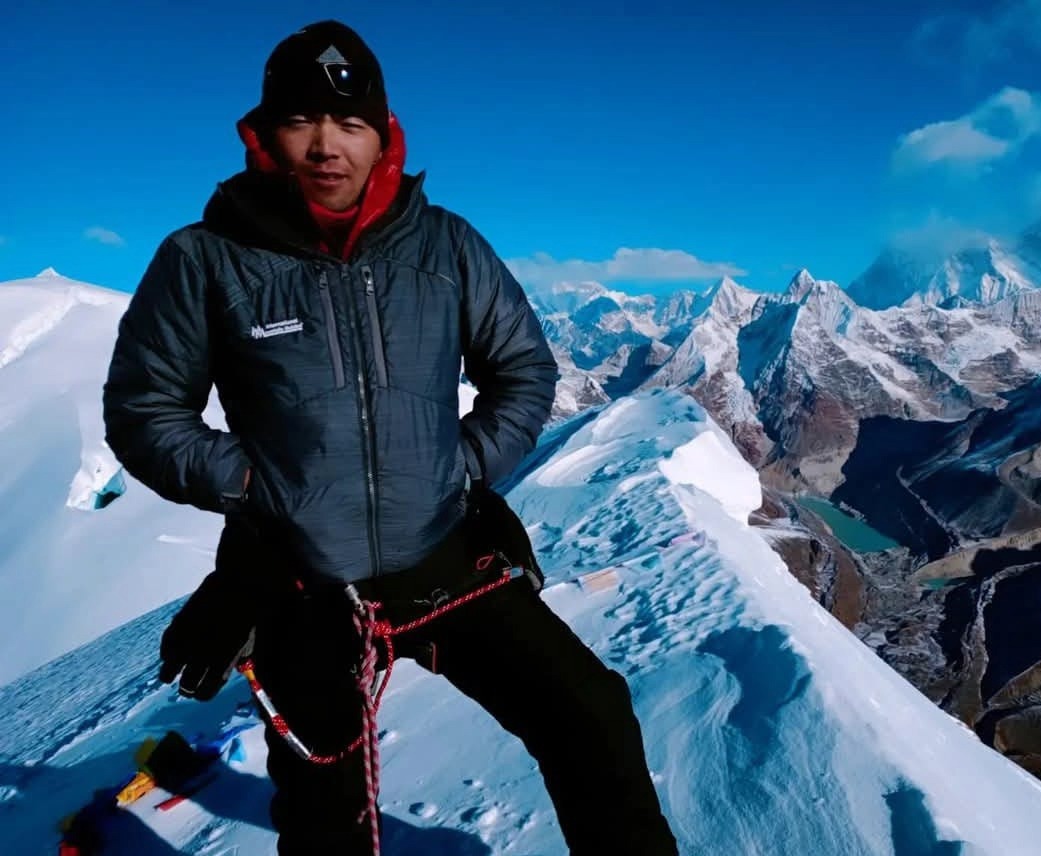
Summit day begins before dawn. Secured by safety ropes, the team ascends mountain slopes together. While Mera Peak lacks extreme technical difficulty, cold temperatures and thin air test physical endurance. The final 40 to 50 meters require using jumars and fixed ropes to navigate the steep snowy dome leading to the summit. By late morning, you stand atop Mera Peak's summit, surrounded by breathtaking 360-degree views. Five of the world's highest mountains dominate the horizon: Everest, Kanchenjunga, Lhotse, Cho Oyu, and Makalu, along with Baruntse, Chamlang, Gaurishankar, and countless other peaks. After absorbing this incredible panorama and capturing memories, descend to Mera High Camp for rest and celebration. Following a warm meal, continue descending to Khare where comfortable teahouse accommodation and hot food await.
Day 11

Contingency Reserve Day

Accommodation Tea house
Meals Breakfast, Lunch and Dinner
This important buffer day provides insurance against unforeseen circumstances such as adverse weather conditions, health issues, or other delays that might affect the climbing schedule. If the expedition proceeds smoothly without complications, this extra day can be used for additional exploration in the Himalayas or extended sightseeing in Kathmandu.
Day 12

Khare to Kothe (3,691m)

Altitude 3,691m
Accommodation Tea house
Meals Breakfast, Lunch and Dinner
After completing your mountain adventure, retrace your steps downward toward Kothe. The gradual descent passes through Tangnang, a small settlement with yak farms, then continues along rugged rocky trails and pasture grounds. As elevation decreases, lush vegetation reappears with fir and rhododendron forests providing welcome greenery after days in the barren alpine zone. The terraced landscapes of Kothe offer refreshing contrast to the glacial moraines and rocky terrain above.
Day 13

Kothe to Chetarwa (3,580m)

Altitude 3,580m
Accommodation Tea house
Meals Breakfast, Lunch and Dinner
Today's trek follows steep descending trails through rhododendron, fir, and bamboo forests. The challenging descent requires careful footing as you navigate the forested paths. Upon reaching Chetarwa, enjoy the warm hospitality of local hosts while soaking in views of surrounding peaks.
Day 14

Chetarwa to Lukla via Zatrwa La Pass (2,800m)

Altitude 2,800m
Accommodation Tea house
Meals Breakfast, Lunch and Dinner
The final trekking day marks the conclusion of your Himalayan journey. This demanding day begins with a steep climb through rhododendron forest, leaving Hinku Khola behind. Passing Toktar, a small teahouse settlement, continue ascending to Zatrwa La Pass at 4,600 meters. From this vantage point, catch final glimpses of Mera Peak and Naulekh. The moderate descent brings you back to Lukla Valley where you rest for the night, celebrating the successful completion of your expedition.
Day 15

Lukla to Kathmandu Flight

Duration 35 minutes
Accommodation Hotel
An early morning flight returns you to Kathmandu, offering spectacular aerial views of the Himalayan landscape you've just explored. Upon landing at Tribhuvan International Airport, our representative transfers you to your hotel. Spend the remainder of the day exploring Kathmandu's cultural sites, shopping for souvenirs, or simply relaxing after your mountain adventure.

Inclusions

What's included

What's not included

Accommodation and Meals

Accommodation Standards

Your lodging varies depending on location and altitude throughout the expedition: Lower Elevations (Paiya to Kothe): Comfortable teahouses with basic amenities including beds, mattresses, pillows, and blankets. Rooms are typically shared with two to three beds. Bathroom facilities are communal. High Altitude (Khare to Mera High Camp): Tented accommodation becomes necessary at extreme elevations where permanent structures are unavailable. Our team provides high-quality tents, sleeping mats, and warm sleeping bags. Kathmandu: Hotel accommodation (not included in package price) Himalayan Guide Treks Pvt Ltd selects the best available teahouses along the route, ensuring clean, comfortable accommodation that provides good value for trekkers.

Meal Options

Throughout most of the trek, local teahouses prepare fresh meals using available ingredients. At high camps, our dedicated kitchen crew prepares warm, nutritious food to maintain energy levels. Breakfast Selections:
  • Eggs prepared various ways
  • Toast with jam or honey
  • Pancakes and porridge
  • Oats and cornflakes
  • Chapatti (flatbread)
  • Tea and coffee (various types)
  • Soup and sandwiches
Lunch and Dinner Options:
  • Dal bhat tarkari (traditional Nepali meal)
  • Thukpa (noodle soup)
  • Momos (dumplings)
  • Sherpa stew
  • Pasta dishes (macaroni, spaghetti)
  • Potato preparations
  • Yak steak
  • Traditional dishes (riki kur, shyaphale, rildok)
  • Pizza, burgers, spring rolls
  • Noodles and chowmein
Vegetarian and vegan options are readily available. Simply inform the kitchen staff of your dietary preferences, and they will prepare suitable meals without meat or animal products.

Safety and Responsible Trekking

Altitude Sickness Prevention

Acclimatization remains the most effective defense against altitude sickness. Our itinerary includes strategic rest days allowing gradual adaptation. Stay well hydrated, avoid alcohol, maintain steady pace, and inform guides immediately if symptoms appear.

Environmental Protection

Respect the pristine Himalayan environment by disposing of waste properly, using designated toilet facilities, avoiding single-use plastics, and carrying all non-biodegradable items back to lower elevations. Support conservation efforts by staying on marked trails and not disturbing wildlife.

Cultural Sensitivity

The Everest region is home to Sherpa communities with deep Buddhist traditions. Show respect by walking clockwise around religious monuments, asking permission before photographing people, dressing modestly, and supporting local businesses through fair purchases.

Emergency Procedures

In case of serious altitude illness or injury, our guides are trained in emergency response and evacuation procedures. Helicopter rescue services can be arranged if necessary (travel insurance with helicopter evacuation coverage is strongly recommended).

Package Pricing and Dates

2026 Departure Schedule

February 25 to March 11, 2026 - Guaranteed Departure Standard Group Price: USD 2,275 per person

Group Discounts

  • 2 to 4 participants: USD 2,275 per person
  • 5 to 9 participants: USD 2,250 per person
  • 10 or more participants: USD 2,200 per person

Solo Traveler Supplement: USD 350 additional cost

Frequently Asked Questions

Can beginners attempt Mera Peak?

Yes, Mera Peak is considered an ideal first Himalayan peak for beginners with good physical fitness. The non-technical nature of most of the climb makes it accessible, though the high altitude demands proper preparation.

What physical condition is required?

Climbers should possess good cardiovascular fitness, strong leg muscles, and excellent endurance. Regular training for four to six months before the expedition is recommended.

How long does summit day take?

The climb from Mera High Camp to the summit and return to Khare typically takes seven to eight hours, starting before dawn.

Is Mera Peak more difficult than Kilimanjaro?

Mera Peak climbing spans 14 to 18 days compared to Kilimanjaro's 5 to 9 days, allowing better acclimatization. With proper preparation and gradual ascent, Mera Peak often has higher success rates.

What is the success rate?

Himalayan Guide Treks Pvt Ltd maintains a 90 to 95 percent success rate for Mera Peak expeditions, thanks to experienced guides, proper acclimatization, and well-planned itineraries.

Do I need previous climbing experience?

While previous high-altitude trekking experience is beneficial, it's not mandatory. Our pre-climb training at Khare covers essential mountaineering skills needed for the ascent.