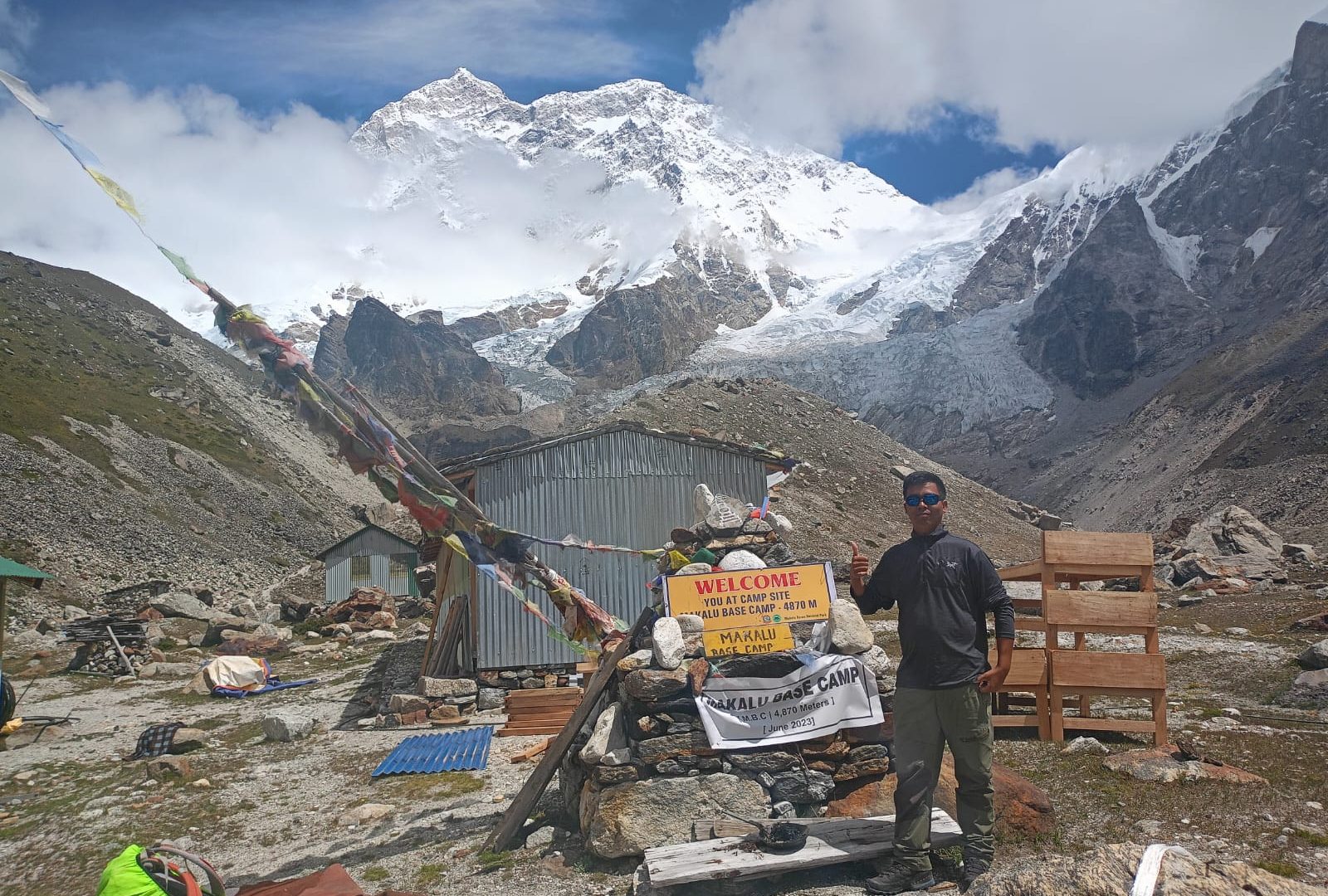
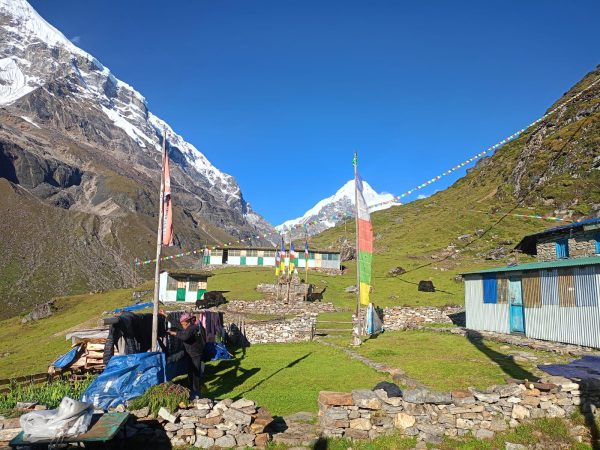
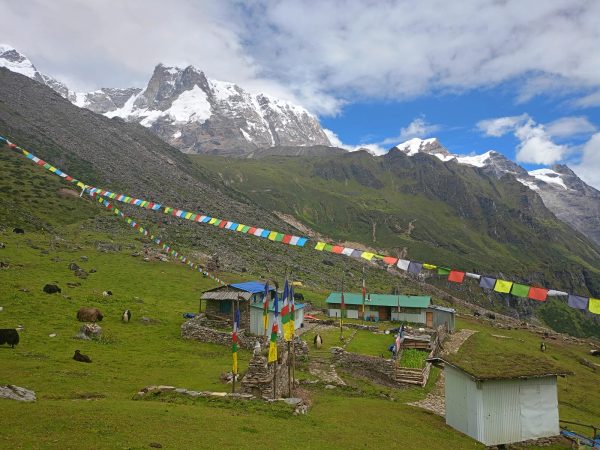
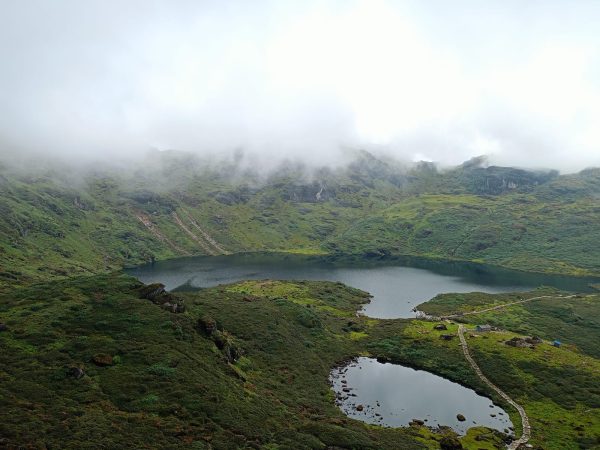
Overview The Makalu Base Camp Trek is one of Nepal’s most spectacular yet lesser-traveled high-altitude adventures, taking you deep into the remote eastern Himalayas. Standing majestically at 8,463 meters (27,766 […]
The Makalu Base Camp Trek is one of Nepal’s most spectacular yet lesser-traveled high-altitude adventures, taking you deep into the remote eastern Himalayas. Standing majestically at 8,463 meters (27,766 feet), Mount Makalu is the world’s fifth highest peak, and this trek brings you face-to-face with its towering presence.
Himalayan Guide Treks Pvt. Ltd. invites you to explore this pristine wilderness trail that combines challenging terrain with unmatched natural beauty. Unlike the crowded routes to Everest or Annapurna, the Makalu region offers authentic Himalayan solitude where you’ll spend days immersed in untouched forests, encounter rare wildlife, and witness panoramic views of giants like Everest’s dramatic Kangshung Face, Lhotse, Kanchenjunga, Baruntse, and Chamlang.
This 18-day expedition begins with a scenic mountain flight to Tumlingtar in the Arun Valley, followed by a journey through diverse landscapes—from subtropical river valleys and terraced farmlands to alpine meadows and glacial terrain. The trail passes through traditional villages of the Rai, Sherpa, and other indigenous communities before venturing into the remote Barun Valley, part of the Makalu Barun National Park, home to endangered red pandas, snow leopards, and over 3,000 flowering plant species.With Himalayan Guide Treks, you’ll experience this remarkable adventure with expert local guides, comprehensive safety protocols, and personalized service that ensures both your comfort and the preservation of this fragile ecosystem.
The Makalu Base Camp Trek is perfect for adventurous trekkers seeking authentic Himalayan wilderness away from commercial routes. This journey suits:
While previous trekking experience at altitude is highly recommended, you don’t need technical climbing skills. Good fitness, mental determination, and proper acclimatization are essential for success.
Difficulty: Moderate to Strenuous
Fitness Requirement: High
The Makalu Base Camp Trek demands excellent physical conditioning and previous high-altitude trekking experience. Challenges include:
Himalayan Guide Treks ensures proper pacing with experienced guides who monitor your health daily and adjust itineraries when needed. Our gradual acclimatization schedule significantly reduces altitude sickness risks.
Optimal Seasons: Spring (April-May) and Autumn (September-November)
Spring (April-May): The rhododendron forests explode with vibrant blooms, temperatures are moderate, and visibility is excellent. Days are longer, making this ideal for photography. Occasional afternoon clouds may develop.
Autumn (September-November): Crystal-clear skies provide the best mountain views. Stable weather, comfortable temperatures, and post-monsoon freshness make autumn the most popular season. October offers perfect conditions.
Monsoon (June-August): Heavy rainfall, leeches, and obscured views make this season unsuitable.
Winter (December-March): Extreme cold, heavy snowfall blocking high passes, and limited facilities make winter treks challenging and generally not recommended.
Trekking in the Makalu region requires several permits:
Himalayan Guide Treks handles all permit arrangements, ensuring proper documentation before departure. Our team manages the bureaucratic process, allowing you to focus entirely on your adventure. Permit costs are included in our comprehensive package pricing.
Day 1: Arrival in Kathmandu – Welcome and hotel transfer
Day 2: Kathmandu exploration and trek preparation
Day 3: Fly to Tumlingtar (950m), drive to Num (1,500m) – 5 hours
Day 4: Trek to Seduwa (1,493m) – 6 hours
Day 5: Trek to Tashi Gaon (2,200m) – 4-5 hours
Day 6: Trek to Khongma Danda (3,500m) – 6 hours
Day 7: Trek to Dobato (3,700m) via Tutu La & Shipton La (4,230m) – 7 hours
Day 8: Trek to Yangle Kharka (3,620m) – 6 hours
Day 9: Trek to Jark Kharka (4,400m) – 6 hours
Day 10: Trek to Makalu Base Camp (4,650m) – 5 hours
Day 11: Exploration day at Makalu Base Camp
Day 12: Trek to Yangle Kharka – 7 hours
Day 13: Trek to Dobato – 6 hours
Day 14: Trek to Khongma Danda – 5 hours
Day 15: Trek to Seduwa – 7 hours
Day 16: Trek to Num, drive to Tumlingtar – 4 hours trek + 4 hours drive
Day 17: Fly to Kathmandu
Day 18: International departure
Accommodation: The trek combines teahouse lodges in lower villages with camping at higher elevations where facilities are limited.
Meals: Nutritious meals combining Nepali and international cuisine are provided throughout. Expect dal bhat (traditional Nepali staple), noodles, soups, rice dishes, pasta, and energy-rich foods suitable for high altitude. Our experienced cooks prepare fresh, hygienic meals even in remote camps.
Tea, coffee, and boiled water are available. We recommend water purification tablets for additional safety.
The trek gradually ascends from 1,500m to 4,650m, with strategic acclimatization built into the itinerary:
Our guides monitor symptoms daily using pulse oximeters and health assessments. We follow "climb high, sleep low" principles and maintain flexible schedules to prioritize your safety.
Weather Expectations:
Himalayan Guide Treks provides detailed packing lists and rental options for specialized gear in Kathmandu.
Your success and safety depend on experienced local expertise. Himalayan Guide Treks provides:
Expert Guides: Government-licensed, English-speaking guides with extensive Makalu region knowledge, wilderness first aid training, and years of high-altitude experience. Our guides are born and raised in mountain communities, offering cultural insights and navigation expertise.
Porters: Strong, reliable porters carry trekking gear (up to 20kg per trekker), allowing you to hike with just a daypack. We ensure fair wages, proper equipment, and insurance for all staff.
Support Crew: Experienced cooks prepare nutritious meals, while camp staff maintain hygiene and comfort standards throughout the journey.
We maintain a 1:3 guide-to-trekker ratio for personalized attention and enhanced safety.
Comprehensive travel insurance is mandatory for this trek and must cover:
The remote nature of Makalu region means helicopter evacuation may be necessary for serious altitude sickness or injuries. Verify your policy explicitly covers Nepal trekking above 4,500 meters.
Himalayan Guide Treks assists with evacuation coordination if needed, but insurance costs remain your responsibility.
Your safety is our absolute priority. Our comprehensive safety approach includes:
We've successfully guided hundreds of trekkers through the Makalu region with an exceptional safety record.
Himalayan Guide Treks is committed to preserving the Makalu region's fragile ecosystem and supporting local communities:
We employ local staff, source supplies from mountain communities, and contribute to village development projects.
Local Expertise: As a Nepali-owned company, we have intimate knowledge of Makalu region trails, culture, and conditions that international operators cannot match.
Safety-First Philosophy: Our guides' training, equipment quality, and emergency protocols exceed industry standards. Your wellbeing is never compromised.
Small Group Focus: We limit group sizes for personalized attention, better acclimatization monitoring, and reduced environmental impact.
Ethical Operations: Fair wages, proper insurance, and quality equipment for all staff. We're committed to responsible tourism that benefits mountain communities.
Flexible & Responsive: Weather delays? Health concerns? We adapt itineraries while maintaining your safety and experience quality.
Transparent Pricing: No hidden costs. Our packages include permits, transportation, accommodation, meals, and support services clearly outlined.
Authentic Experience: We facilitate genuine cultural exchanges and lead you to hidden viewpoints locals know best.
Proven Track Record: Years of successful Makalu expeditions with consistently positive reviews from international trekkers.
Yes, prior experience trekking above 3,500m is strongly recommended. The Makalu trek is more challenging than Everest Base Camp and requires good altitude adaptation skills.
It's more strenuous than Annapurna Circuit or Everest Base Camp due to longer days, steeper terrain, remote location, and limited facilities. Physical fitness and mental resilience are essential.
Our guides monitor health daily and recognize early symptoms. Mild cases are managed with rest, hydration, and descent if necessary. Severe cases require immediate descent and possible helicopter evacuation (covered by your insurance).
While possible, we don't recommend shortening as proper acclimatization time is crucial for safety and enjoyment. The current itinerary balances adventure with health considerations.
Absolutely! We welcome solo trekkers and can arrange private trips or match you with small groups. Solo travelers receive the same expert guidance and safety support.
Charging facilities are available in lower villages (for a fee) but become unavailable at higher camps. Bring power banks and minimize device usage. Solar chargers are helpful.
Limited ATMs exist in Kathmandu and possibly Tumlingtar. No reliable internet or banking facilities exist on the trail. Carry sufficient Nepali rupees cash for personal expenses.
Mountain weather can delay flights. Himalayan Guide Treks builds buffer days and has contingency plans including alternative routes or extended Kathmandu stays. We manage logistics; you simply need flexibility.
Yes! Inform us during booking about vegetarian, vegan, gluten-free, or other dietary needs. Our cooks adapt menus accordingly, though variety may be limited at high altitudes.
We typically run groups of 4-10 trekkers, allowing personalized attention while maintaining cost-effectiveness. Private trips are available for families or custom groups.
Yes, most nationalities receive a tourist visa on arrival at Kathmandu airport (valid passport required). We can guide you through this simple process.
Basic health posts exist in lower villages; no medical facilities at high elevations. Helicopter evacuation to Kathmandu hospitals is the emergency protocol for serious conditions.