Overview Nestled north of Kathmandu, the Langtang Valley Trek is one of Nepal’s most rewarding short adventures, offering breathtaking Himalayan scenery, rich Tamang culture, and pristine alpine forests—all within a […]
1. Natural Wonders
2. Cultural Immersion
3. Adventure Experiences
Nestled north of Kathmandu, the Langtang Valley Trek is one of Nepal’s most rewarding short adventures, offering breathtaking Himalayan scenery, rich Tamang culture, and pristine alpine forests—all within a week’s journey. Despite being just 32 kilometers from the capital as the crow flies, this spectacular valley feels worlds away from urban life.
The Langtang region was significantly affected by the 2015 earthquake, but local communities have rebuilt with remarkable resilience. Today, trekking here directly supports these mountain villages and showcases the enduring spirit of Nepal’s highland people. With Himalayan Guide Treks Pvt. Ltd., you’ll experience this magnificent valley with expert local guides who know every trail, every viewpoint, and every story these mountains hold.
This moderate trek takes you through rhododendron forests, past cascading waterfalls, and into the heart of Langtang National Park, where endangered red pandas roam and snow-capped peaks tower overhead. The journey culminates at Kyanjin Gompa (3,749m), a sacred Buddhist monastery surrounded by some of the most dramatic mountain scenery in the Himalayas.
Grade: Moderate
The Langtang Valley Trek requires no technical mountaineering skills, but good physical fitness is essential. Daily walking ranges from 4-6 hours on mountain trails with elevation gains typically between 500-1,000 meters per day.
Trails include steep uphill sections, rocky paths, and occasional wooden bridges. The altitude reaches 3,749m at Kyanjin Gompa, with optional day hikes going higher. While altitude sickness is less common here than on higher treks, proper acclimatization remains important.
Preparation Recommendations:
With Himalayan Guide Treks Pvt. Ltd., our experienced guides set a comfortable pace, monitor your wellbeing, and provide support throughout the journey
Spring (March-May): The most popular season brings warm temperatures, clear skies, and blooming rhododendron forests painting hillsides in pink, red, and white. Visibility is excellent for mountain photography.
Autumn (September-November): Crystal-clear post-monsoon air offers the year’s best mountain views. Pleasant temperatures and stable weather make this season ideal. This is peak trekking time, so trails and lodges are busier.
Winter (December-February): Possible but colder, especially at higher elevations. Kyanjin Gompa can experience sub-zero temperatures and occasional snow. Fewer trekkers mean quieter trails and lodges. Clear skies often provide stunning views.
Monsoon (June-August): Not recommended. Heavy rainfall creates slippery trails, leeches, and cloud cover obscuring views. However, some adventurous trekkers enjoy the lush green landscapes and solitude.
Our team at Himalayan Guide Treks provides honest seasonal advice to help you choose the best timing for your preferences and schedule.
The Langtang Valley Trek suits a wide range of adventurers. It’s perfect for first-time trekkers to the Himalayas who want impressive mountain scenery without extreme altitude. Experienced trekkers appreciate it as a shorter alternative to Everest or Annapurna regions, or as an add-on to other Nepal adventures.
This trek works well for travelers with limited time—offering genuine high-altitude trekking in just 7-10 days. Families with older children (12+), solo travelers, couples, and small groups all find this journey rewarding. The moderate difficulty level makes it accessible to anyone with reasonable fitness and determination.
If you’re seeking cultural immersion alongside natural beauty, Langtang delivers authentically. The Tamang people warmly welcome trekkers, sharing their Buddhist heritage and mountain lifestyle.
Langtang National Park Entry Permit: Required for all trekkers entering Langtang National Park. Cost approximately NPR 3,000 for foreign nationals.
TIMS Card (Trekkers’ Information Management System): Required for organized treks. Cost approximately NPR 2,000.
Himalayan Guide Treks Pvt. Ltd. handles all permit arrangements as part of our service. We coordinate with authorities, prepare necessary documentation, and ensure you’re properly registered—giving you peace of mind and saving valuable time.
Lodges (Tea Houses): Along the Langtang route, you’ll stay in family-run lodges offering clean, simple rooms with twin beds and shared bathrooms. Most lodges have basic but adequate facilities. At higher elevations, rooms may lack heating, so good sleeping bags are essential.
Meals: Lodge dining rooms serve hearty Nepali and international cuisine including dal bhat (traditional lentil curry with rice), noodle soups, momos (dumplings), pasta, and pancakes. Meals are freshly prepared and provide excellent energy for trekking.
Water & Hygiene: Boiled or filtered water is available for purchase. We recommend water purification tablets as backup. Lodges maintain reasonable cleanliness standards, and our guides select the best available accommodation each night.
Himalayan Guide Treks prioritizes lodges with good reputations for cleanliness, hospitality, and food quality, ensuring comfortable rest after each day’s trek.
Kathmandu to Syabrubesi: The journey begins with a scenic 6-7 hour drive north from Kathmandu. The route follows winding mountain roads through terraced hillsides, passing Trisuli Bazaar and Dhunche before descending to Syabrubesi village (1,470m).
We provide private transportation for our groups, ensuring comfort and flexibility. The drive itself offers beautiful views of rural Nepal, with stops for tea and meals along the way.
Return Journey: After completing the trek, the same route brings you back to Kathmandu, typically arriving in late afternoon with the evening free to celebrate your achievement.
Altitude Profile & Acclimatization
The Langtang trek follows a gradual ascent profile that aids natural acclimatization:
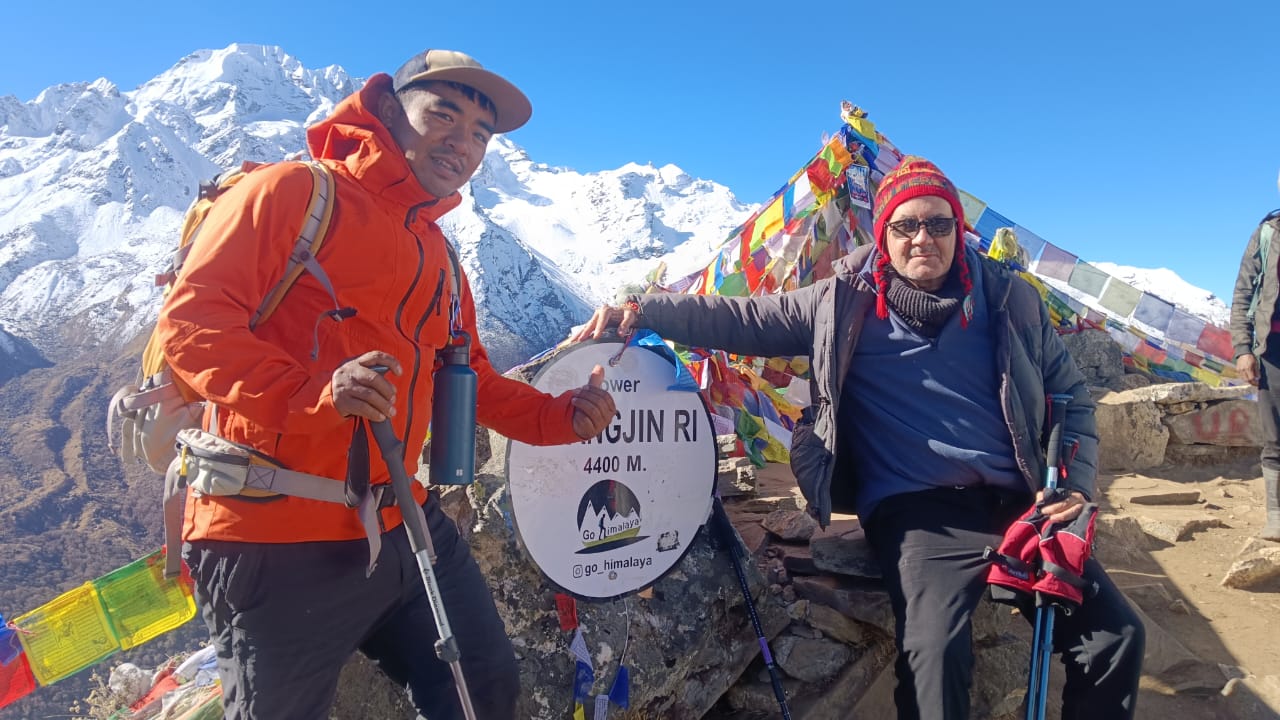
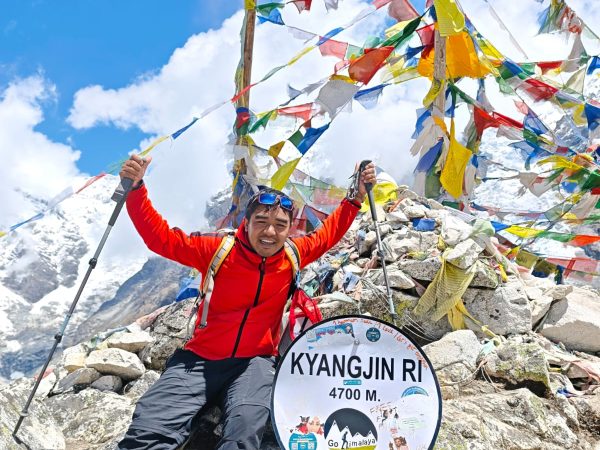
Acclimatization Strategy: Day 7 at Kyanjin Gompa is crucial for adjusting to altitude. Optional hikes to higher elevations (Tsergo Ri at 4,984m or Kyanjin Ri at 4,773m) follow the “climb high, sleep low” principle.
Altitude Awareness: While serious altitude sickness is uncommon on this trek, staying hydrated, ascending gradually, and listening to your body remains vital. Our certified guides are trained in altitude illness recognition and emergency response protocols.
Expert Local Guides: Our government-licensed guides bring years of mountain experience, intimate knowledge of Langtang region, and fluent English communication. They’re trained in first aid, altitude sickness management, and emergency rescue procedures. Beyond navigation, they share cultural insights and natural history, enriching your entire journey.
Porter Assistance: Porters carry your main luggage (up to 15kg per trekker), allowing you to hike with just a light daypack. This makes trekking significantly more enjoyable and reduces injury risk. Our porters receive fair wages, proper equipment, and insurance—reflecting our commitment to ethical employment.
Group Size: We maintain small group sizes (typically 2-12 trekkers) ensuring personalized attention, flexibility, and minimal environmental impact.
Comprehensive travel insurance is mandatory for all Himalayan Guide Treks clients. Your policy must cover:
Verify your policy specifically mentions trekking in Nepal and helicopter evacuation coverage. Keep insurance documents accessible throughout your trek, and provide our office with your policy details before departure.
Your safety is our absolute priority. Himalayan Guide Treks Pvt. Ltd. implements comprehensive safety protocols:
Pre-Trek Preparation: Medical questionnaire review, altitude sickness briefing, and emergency procedure overview.
During Trek: Daily health monitoring, flexible itinerary adjustments for acclimatization needs, and satellite communication devices for emergencies.
Emergency Response: Direct helicopter evacuation coordination, partnerships with Kathmandu hospitals, and 24/7 emergency contact availability.
Guide Training: All guides complete wilderness first aid certification, altitude illness training, and regular safety protocol updates.
We maintain emergency funds for immediate evacuation needs and work with Nepal’s most reliable rescue helicopter services.
Trekking in the Himalayas comes with responsibility to preserve these fragile mountain environments and support local communities:
Himalayan Guide Treks actively participates in community development projects and environmental conservation initiatives in the Langtang region.
Local Expertise: As a Nepali-owned company, we bring authentic insider knowledge and deep connections throughout the Himalayas. Our guides are born in mountain communities and understand these trails intimately.
Safety-First Approach: Comprehensive training, quality equipment, emergency preparedness, and conservative altitude gain schedules prioritize your wellbeing above all else.
Personalized Service: Small group sizes, flexible itineraries, and attention to individual needs ensure your trek matches your pace and preferences.
Ethical Operations: Fair porter wages, proper staff insurance, environmental responsibility, and community investment reflect our values.
Reliable Logistics: Proven partnerships with lodges, transparent pricing, quality meals and accommodation, and responsive communication eliminate stress from your adventure.
Customer Satisfaction: Years of positive reviews, repeat clients, and word-of-mouth recommendations demonstrate our consistent service excellence.
Day 1: Arrive in Kathmandu, transfer to hotel, group briefing
Day 2: Kathmandu sightseeing (UNESCO World Heritage Sites) and trek preparation
Day 3: Drive to Syabrubesi (1,470m) via scenic mountain roads – 6-7 hours
Day 4: Trek to Lama Hotel (2,350m) through forested gorge – 6 hours
Day 5: Trek to Langtang Village (3,307m) through alpine woodland – 5 hours
Day 6: Trek to Kyanjin Gompa (3,749m) with mountain views – 4 hours
Day 7: Acclimatization day; optional hike to Tsergo Ri or Kyanjin Ri
Day 8: Trek back to Lama Hotel – 6 hours
Day 9: Trek to Syabrubesi – 6 hours
Day 10: Drive back to Kathmandu, evening free
Day 11: International departure or extend your Nepal adventure
Yes, with proper preparation. The trek requires no technical skills but demands good fitness. Many first-time Himalayan trekkers successfully complete this journey with our experienced guides supporting them.
Costs vary based on group size, season, and included services. Contact Himalayan Guide Treks for current pricing and package options. We offer transparent pricing with no hidden fees.
While legally permitted, we strongly recommend guided treks for safety, navigation, cultural insights, and supporting local employment. Solo trekking limits your emergency support options.
Altitude sickness is less common than on higher treks like Everest Base Camp, but possible. Proper acclimatization, hydration, and recognizing early symptoms prevent serious issues. Our guides monitor health daily.
Moderate fitness is sufficient. If you can comfortably walk 4-6 hours with breaks and handle uphill hiking, you're likely ready. Pre-trek conditioning significantly improves your enjoyment.
No ATMs exist beyond Kathmandu. Bring sufficient Nepali Rupees for personal expenses like snacks, drinks, charging devices, and tips. Lodges accept cash only.
Most lodges offer charging services for a small fee (NPR 200-500). Bring a universal adapter and consider a portable power bank for backup.
Our guides arrange immediate transportation back to Kathmandu if needed for medical or personal reasons. Travel insurance should cover evacuation costs and trip interruption.
Some lodges offer limited Wi-Fi for a fee, but connectivity is unreliable and slow at higher elevations. Embrace the digital detox and mountain experience.
Absolutely! Many trekkers combine Langtang with Gosaikunda Lakes or Helambu region. Consult with Himalayan Guide Treks to customize your itinerary.