Overview The Annapurna & Dhaulagiri Panorama Trek is a spectacular short adventure that showcases the best of Nepal’s Himalayan beauty in just 4-5 days of trekking. Perfect for travelers with […]
The Annapurna & Dhaulagiri Panorama Trek is a spectacular short adventure that showcases the best of Nepal’s Himalayan beauty in just 4-5 days of trekking. Perfect for travelers with limited time, this moderately paced journey takes you through pristine rhododendron forests, traditional Gurung and Magar villages, and up to the famous Poon Hill viewpoint at 3,210 meters—where you’ll witness one of the most breathtaking mountain panoramas in the world.
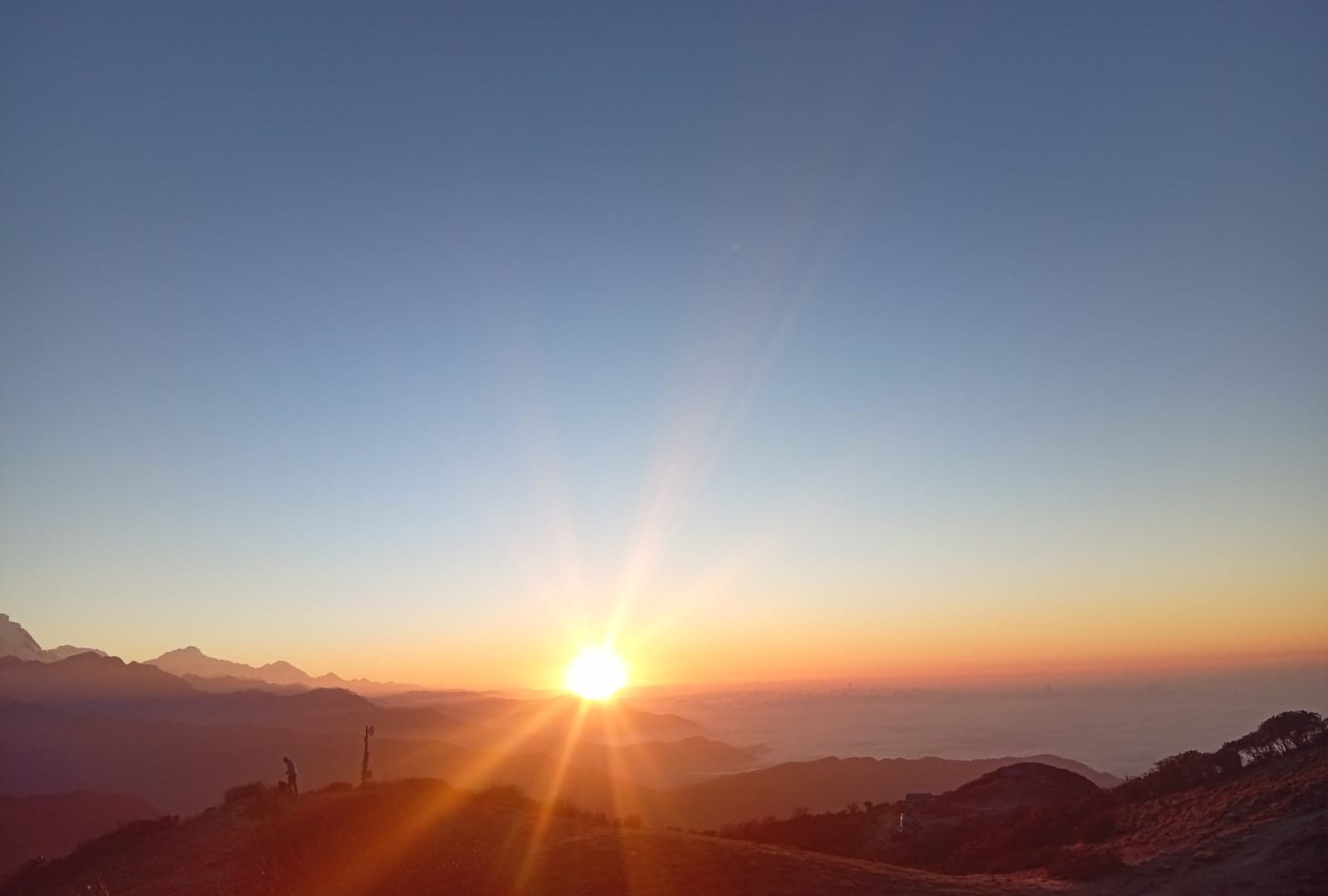
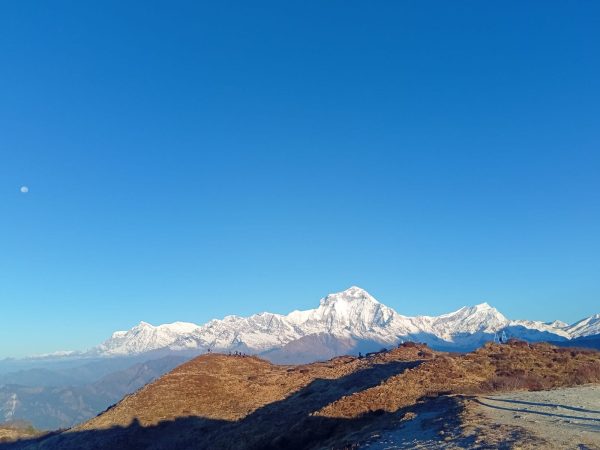
Starting from the lakeside city of Pokhara, this trek winds through terraced farmlands, alpine forests alive with birdsong, and welcoming mountain communities where ancient traditions still thrive. The crown jewel of this adventure is the sunrise view from Poon Hill, where the first light of day illuminates the Annapurna and Dhaulagiri ranges, along with Manaslu, Lamjung Himal, and the iconic Machhapuchare (Fishtail Mountain).
At Himalayan Guide Treks Pvt. Ltd., we’ve perfected this classic route with comfortable lodge accommodations, expert local guides, and thoughtful pacing that allows you to truly absorb the magic of the Himalayas. Whether you’re a first-time trekker or an experienced mountain enthusiast, this panorama trek offers an unforgettable introduction to Nepal’s trekking culture.
When you trek with Himalayan Guide Treks Pvt. Ltd., you’re partnering with a team that calls these mountains home. Our commitment goes beyond simply guiding you on trails—we’re dedicated to creating transformative experiences while protecting the environment and communities we love.
Our Strengths:
With decades of combined experience, we’ve built lasting relationships with mountain communities and earned a reputation for reliability, warmth, and genuine hospitality. When you choose Himalayan Guide Treks Pvt. Ltd., you’re choosing a partner who treats your safety and satisfaction as sacred responsibilities.
The Annapurna & Dhaulagiri Panorama Trek is classified as moderate in difficulty. Here’s what that means in practical terms:
Moderate Challenges:
What Makes It Manageable:
Preparation Tips: Begin cardiovascular training 6-8 weeks before departure. Focus on activities like hiking with a light backpack, stair climbing, cycling, or swimming. Building leg strength through squats and lunges will help with the uphill sections.
The Annapurna & Dhaulagiri Panorama Trek can be undertaken nearly year-round, but certain seasons offer distinct advantages:
Best Overall: Clear skies, stable weather, excellent visibility
This is the most popular trekking season in Nepal, and for good reason. After monsoon rains clear the atmosphere, the mountain views are crisp and stunning. Daytime temperatures are comfortable (15-20°C at lower elevations, 5-10°C at Ghorepani), and nights are cool but manageable. The trails are busy but the festive atmosphere adds to the experience. The Dashain and Tihar festivals (October-November) offer cultural bonuses.
Best for Nature Lovers: Rhododendron blooms, pleasant temperatures
Spring rivals autumn in popularity. The magnificent rhododendron forests burst into bloom, creating tunnels of color. Temperatures are slightly warmer than autumn, and visibility remains excellent, though afternoon clouds can occasionally obscure peaks. This is also the season for various mountain festivals and cultural celebrations.
Best for Solitude: Fewer trekkers, clear mountain views
Winter trekking offers crystal-clear visibility and fewer crowds. However, higher elevations like Ghorepani and Poon Hill can be quite cold (-5°C to 5°C), and occasional snowfall is possible. Lodges remain open, and the cold is manageable with proper clothing. This is an excellent choice for experienced trekkers who don’t mind colder conditions and want the trails largely to themselves.
Challenging: Rain, leeches, obscured views
We generally don’t recommend trekking during monsoon due to afternoon rains, slippery trails, leeches, and clouds that obscure mountain views. However, the landscapes are lush and green, and you’ll have the trails almost entirely to yourself. If you don’t mind rain and aren’t primarily focused on mountain views, it can still be enjoyable.
Our Recommendation: October-November or March-April offer the ideal combination of weather, views, and trail conditions.
In Kathmandu & Pokhara: You'll stay in comfortable 3-star hotels (or upgraded 4/5-star options available) with private bathrooms, hot showers, WiFi, and typically including breakfast. These hotels are centrally located in Thamel (Kathmandu) and Lakeside (Pokhara), within walking distance of restaurants, shops, and attractions.
During the Trek: Accommodation is in locally-owned teahouse lodges—simple but clean guesthouses operated by mountain families. Rooms are typically twin-sharing with basic beds, pillows, and blankets. Bathrooms are usually shared (common facilities down the hall), though some lodges offer private attached bathrooms for a small extra fee.
What to Expect in Teahouses:
The teahouse system is one of the joys of Annapurna trekking—each evening, you'll gather with fellow trekkers around the stove, sharing stories, playing cards, and enjoying the warm hospitality of your hosts.
Meal Plan:
What to Expect: Teahouse menus are surprisingly extensive, offering a mix of Nepali, Tibetan, Indian, and Western dishes. Quality is generally good, and portions are hearty to fuel your trekking.
Typical Menu Items:
Dietary Requirements: Vegetarian, vegan, and gluten-free options are readily available. Please inform us of any dietary restrictions or allergies during booking so we can communicate this to lodge owners in advance.
Pro Tip: Dal Bhat is the best value—it's nutritious, provides unlimited refills, and supports local agriculture. Plus, there's a saying in Nepal: "Dal Bhat power, 24 hours!"
Trekking in the Annapurna region requires two official permits, both of which Himalayan Guide Treks Pvt. Ltd. will obtain on your behalf:
1. Annapurna Conservation Area Permit (ACAP)
2. TIMS Card (Trekkers' Information Management System)
What You Need to Provide:
We handle all permit applications and processing before your trek begins, so you can focus on enjoying your adventure. The permits will be checked at various checkpoints along the route, so it's important to carry them throughout the trek.
International Arrival
Your journey begins with a flight to Tribhuvan International Airport (TIA) in Kathmandu. Major airlines serving Kathmandu include:
Kathmandu to Pokhara
By Road (Standard Option):
By Air (Optional Upgrade):
Pokhara to Nayapul (Trek Start)
Return to Pokhara (Trek End)
All transportation during your trek package is included and arranged by Himalayan Guide Treks Pvt. Ltd. You don't need to worry about booking tickets or vehicles—we handle all logistics seamlessly.
One of the appealing aspects of the Annapurna & Dhaulagiri Panorama Trek is its moderate altitude profile, making altitude sickness extremely unlikely.
Altitude Overview:
Why Altitude Isn't a Concern Here:
The maximum altitude of 3,210m is well below the threshold where acute mountain sickness (AMS) typically becomes a serious concern (usually above 3,500m). The gradual ascent over 3-4 days allows natural acclimatization, and you'll actually descend on the second half of the trek.
Acclimatization Strategy:
While formal acclimatization days aren't necessary for this trek, we still follow best practices:
Symptoms to Watch For (though rare at these altitudes):
Your guide is trained in altitude illness recognition and response, carrying a comprehensive first aid kit and pulse oximeter to monitor blood oxygen levels if needed.
Autumn (Sep-Nov):
Spring (Mar-May):
Winter (Dec-Feb):
Monsoon (Jun-Aug):
At Himalayan Guide Treks Pvt. Ltd., our team members are the heart of our operation. We believe that a great trek depends on great people, and we invest heavily in training, equipment, and fair treatment of our staff.
Your Trekking Guide
Qualifications:
Responsibilities:
Beyond the Job Description: Our guides are storytellers, photographers, friends, and guardians. They'll teach you Nepali phrases, explain local customs, identify birds and plants, and ensure you're comfortable and happy every step of the way.
Porter Service
Porters carry the bulk of trekkers' gear (typically two trekkers share one porter), allowing you to trek with just a light daypack containing water, snacks, camera, and layers.
What Porters Carry:
What You Carry:
Our Commitment to Porter Welfare: We follow the International Porter Protection Group (IPPG) guidelines:
When you trek with us, you can be confident that the people making your adventure possible are treated with dignity and respect.
Group Size & Ratio
Travel insurance is mandatory for this trek. We require all participants to have comprehensive coverage that includes:
Essential Coverage:
Why It's Important:
While this trek is moderate and relatively safe, mountain environments are unpredictable. Medical emergencies, injuries, or sudden illness can happen. In Nepal, the only way to quickly evacuate someone from remote mountain areas is by helicopter, which can cost $5,000-10,000 USD. Without insurance, you would be personally responsible for these costs.
Recommended Insurance Providers:
Important Notes:
We cannot permit you to trek without valid insurance. This policy protects both you and our team.
Your safety is our highest priority. Himalayan Guide Treks Pvt. Ltd. has comprehensive safety protocols developed over years of experience.
Pre-Trek Safety Measures:
During the Trek:
Communication:
First Aid:
Emergency Evacuation:
In the unlikely event of serious illness or injury:
Helicopter Rescue:
Common Sense Safety Tips:
Responsible & Sustainable Travel Tips
As trekkers, we are guests in fragile mountain ecosystems and traditional communities. Himalayan Guide Treks Pvt. Ltd. is committed to responsible tourism practices, and we ask all our guests to join us in minimizing impact.
Leave No Trace:
Water Conservation:
Energy Conservation:
Support Local:
Cultural Sensitivity:
Respect Religious Sites:
Dress Modestly:
Photography Etiquette:
Cultural Interaction:
Giving Back:
Tipping: Tipping is customary in Nepal and represents a significant portion of income for guides and porters. Suggested amounts:
Donations: Rather than giving to individuals (which can create dependency), consider:
Avoid:
By trekking responsibly, we ensure these magnificent mountains and welcoming communities remain intact for future generations.
The mountains are calling, and the trails of the Annapurna region await your footsteps. Whether you're drawn by the stunning sunrise over Poon Hill, the charming hospitality of Gurung villages, or the simple joy of walking through rhododendron forests with the Himalayas towering overhead, this trek promises memories that will last a lifetime.
At Himalayan Guide Treks Pvt. Ltd., we've spent years perfecting this classic route—learning every switchback, building relationships with lodge owners, training exceptional guides, and developing systems that prioritize your safety, comfort, and satisfaction. When you trek with us, you're not just a customer; you're part of our mountain family.
Yes! The Annapurna & Dhaulagiri Panorama Trek is one of the best introductions to Himalayan trekking. While it requires reasonable fitness and stamina, no previous trekking experience is necessary. The trails are well-established, lodges are comfortable, and the altitude is moderate. Many first-time trekkers successfully complete this route and find it empowering.
You should be able to walk 5-6 hours per day on varied terrain—some uphill, some downhill, with breaks. If you can comfortably hike for 3-4 hours on weekends, you have a good fitness foundation. We recommend starting cardiovascular training (walking, jogging, cycling, swimming) 6-8 weeks before your trek, gradually increasing duration and intensity.
In Nepal, most trekkers join organized groups, though independent trekking is technically possible. We recommend guided treks for safety, cultural interpretation, logistical ease, and supporting local guides and porters. You can book as a solo traveler and join a small group, or we can arrange private treks for individuals, couples, or families.
Altitude sickness is highly unlikely on this trek. The maximum elevation (3,210m at Poon Hill) is well below the threshold where acute mountain sickness typically develops (above 3,500m). The gradual ascent allows natural acclimatization. That said, everyone reacts differently to altitude—stay hydrated, ascend slowly, and communicate with your guide about any symptoms.
Lodges have squat or Western-style toilets (varies by location). Most are shared common facilities, though some lodges offer private attached bathrooms for a small extra fee. Toilets are basic but adequately maintained. We recommend bringing hand sanitizer and toilet paper (though most lodges provide it).
Yes, most lodges offer WiFi for a small fee ($2-5 per day or per session). Connection speeds are slow and unreliable—good enough for messaging but frustrating for video calls or large downloads. We recommend embracing the digital detox and using WiFi sparingly. Mobile service is available in some areas (Nepal Telecom and Ncell have the best coverage).
Yes, lodges have charging stations, typically in the dining area. Most charge a small fee ($1-3 per device per session). Bring a portable power bank as backup, as electricity can be unreliable at higher elevations. Don't forget appropriate plug adapters (Nepal uses Type C, D, and M outlets, 230V).
Our guides are trained in first aid and carry comprehensive medical kits. For minor issues (blisters, headaches, stomach upset), they can provide treatment. For serious problems, we'll arrange evacuation—either by descending on foot or via helicopter (covered by your travel insurance). Lodges in larger villages have basic health posts. The nearest hospitals are in Pokhara.
It depends on season and elevation. At Ghorepani/Poon Hill:
Lodges provide blankets, and dining areas have stoves. Bring a warm sleeping bag or liner, thermal underwear, and a down jacket for early morning Poon Hill hike.
Yes, food safety is generally good in established lodges along this popular route. Lodges understand trekkers' needs and prepare food carefully. Stick to cooked foods, avoid raw vegetables/salads, and drink only purified or boiled water. Most trekkers have no digestive issues. We recommend bringing anti-diarrheal medication just in case.
Most nationalities can obtain a tourist visa on arrival at Tribhuvan International Airport in Kathmandu. You'll need:
Complete the visa form online before arrival to save time, or fill it out at the airport. The process is straightforward and usually takes 30-60 minutes.
Bring USD or EUR in cash for exchange to Nepali Rupees (NPR). Exchange is available at the airport and throughout Kathmandu and Pokhara. ATMs are widely available in cities but not along the trek route, so withdraw sufficient cash before departing. Budget approximately $15-25 USD per day for drinks, snacks, tips, charging, WiFi, and hot showers during the trek. Credit cards are rarely accepted in mountain lodges.