Annapurna Circuit and Thorang La Pass Trek

Overview The Annapurna Circuit with Thorang La Pass is more than just a trek—it’s a journey through the heart of the Himalayas that transforms every traveler who walks its ancient […]

Duration: 0 Days
Best Time: Spring and Autumn
Trip Grade: moderate_strenuous
Start from Kathmandu and End to Kathmandu
Min 2 to Max 10 Pax in a group
Meals: Breakfast, Lunch, and Dinner
Accommodation: Tea House

Highlights

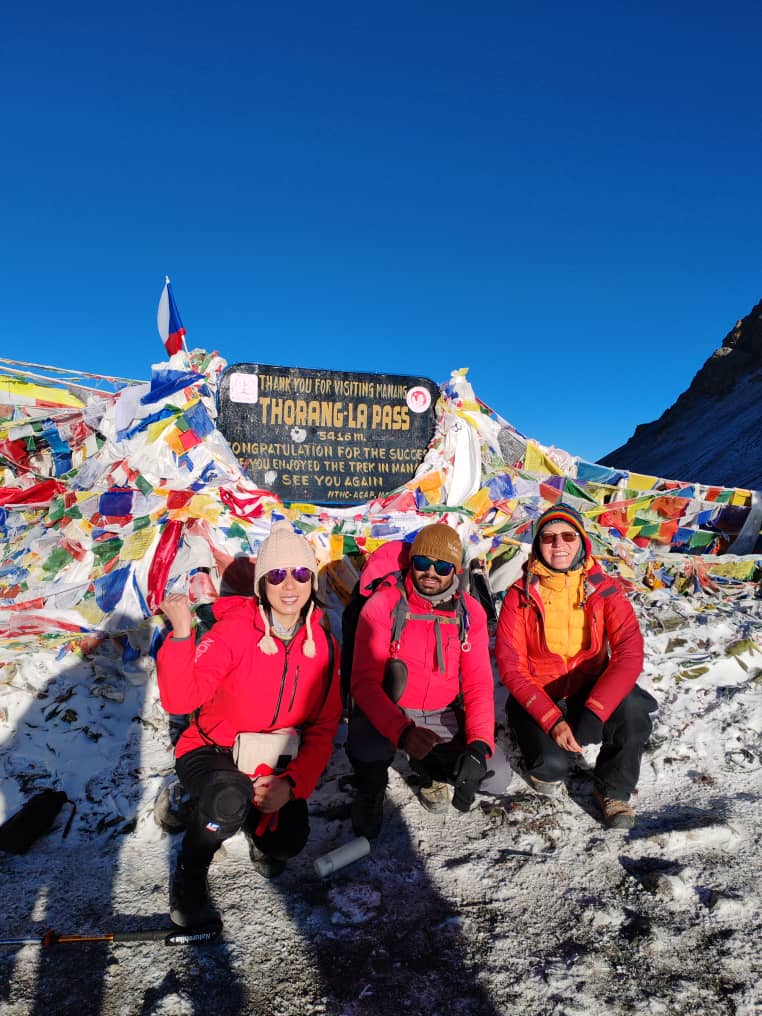
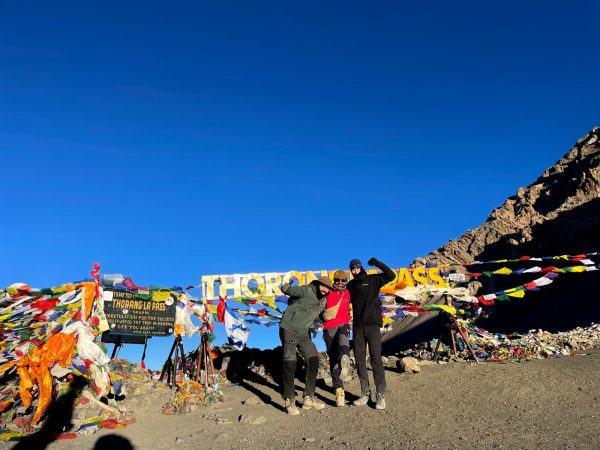
  • Cross Thorang La Pass (5,416m) - Stand atop one of the world's highest trekking passes with 360-degree Himalayan views
  • Complete Circuit Experience - Walk completely around the Annapurna massif, witnessing diverse ecosystems and cultures
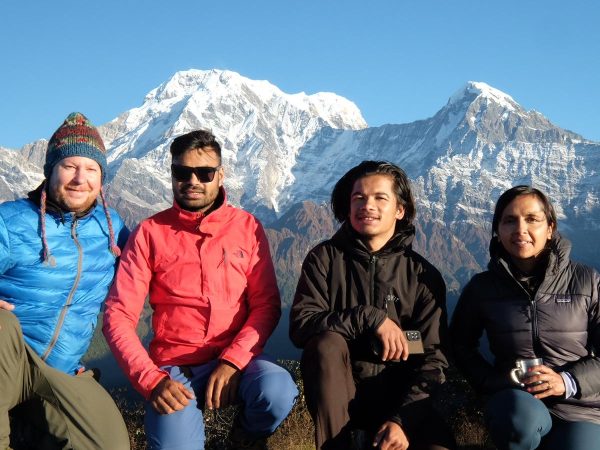
  • Mountain Panoramas - Daily views of Annapurna I-IV, Dhaulagiri, Manaslu, Machhapuchhre, Nilgiri, and Tilicho peaks
  • Cultural Immersion - Experience the unique Manang and Mustang cultures with Tibetan Buddhist influences
  • Muktinath Pilgrimage Site - Visit this sacred temple revered by both Hindus and Buddhists
  •  World's Deepest Gorge - Trek through the Kali Gandaki Valley between Dhaulagiri and Annapurna
  •  Poon Hill Sunrise - Witness spectacular dawn light over the Himalayan giants
  •  Natural Hot Springs - Relax your tired muscles in Tatopani's therapeutic thermal pools
  • Diverse Landscapes - Journey from lush rhododendron forests through alpine meadows to arid high-altitude terrain
  •  Traditional Villages - Explore authentic mountain communities preserving centuries-old traditions

Overview

The Annapurna Circuit with Thorang La Pass is more than just a trek—it’s a journey through the heart of the Himalayas that transforms every traveler who walks its ancient trails. This legendary route circles the magnificent Annapurna massif, taking you from subtropical lowlands through alpine forests to high-altitude desert landscapes, all while crossing one of the world’s highest trekking passes at 5,416 meters.

What makes this trek truly special is its incredible diversity. In just two weeks, you’ll experience dramatic climate shifts, encounter warm-hearted Gurung and Manang communities, witness both Hindu and Buddhist cultures, and stand face-to-face with some of Earth’s highest peaks. From the terraced rice paddies of the lower valleys to the windswept plateaus near Tibet, every day brings new landscapes and unforgettable moments.At Himalayan Guide Treks Pvt. Ltd., we’ve been guiding adventurers through

mountains for years, and the Annapurna Circuit remains one of our most rewarding journeys. Our experienced local guides know every twist of the trail, every viewpoint worth stopping for, and exactly how to help you acclimatize safely for the high-altitude crossing.

Trek Difficulty Level

Difficulty: Moderate to Challenging

The Annapurna Circuit earns its moderate-to-challenging rating for several reasons:

Physical Demands:

  • Daily walking time: 4-7 hours
  • Elevation gain: Up to 1,000+ meters on summit day
  • Total distance: Approximately 160-230 km depending on route
  • Trail conditions: Well-established paths with some steep sections

Altitude Challenge:

  • Maximum elevation: 5,416 meters (Thorang La Pass)
  • Significant altitude gain requires proper acclimatization
  • Risk of altitude sickness if not properly prepared

What Makes It Manageable:

  • Gradual altitude gain over multiple days
  • Rest day in Manang for acclimatization
  • Well-established teahouse network
  • No technical climbing required
  • Our guides monitor your health daily

With our systematic acclimatization schedule and experienced guides, even determined first-time high-altitude trekkers successfully complete this journey.

Best Season to Trek

Spring (March to May)

Best Overall Season

  • Clear mountain views with stable weather
  • Rhododendron forests burst into colorful bloom
  • Comfortable temperatures at lower elevations
  • Thorang La Pass usually clear and manageable
  • More trekkers on trail (good for solo travelers)

Autumn (September to November)

Most Popular Season

  • Crystal-clear skies and excellent visibility
  • Post-monsoon freshness with clean air
  • Comfortable trekking temperatures
  • Stable weather patterns
  • Peak season means busier lodges

Winter (December to February)

For Experienced Winter Trekkers

Fewer crowds and authentic cultural experiences
Lower elevations comfortable, high passes very cold
Thorang La can be snow-covered and challenging
Some higher lodges may be closed
Requires extra preparation and flexibility

Monsoon (June to August)

Not Recommended

  • Heavy rainfall in lower elevations
  • Trail conditions can be slippery
  • Leeches in forested sections
  • Cloud cover obscures mountain views
  • However, the northern sections (Manang, Mustang) receive less rain

Our Recommendation: March to May or September to November offer the best combination of weather, views, and trail conditions.

Required Permits

To trek the Annapurna Circuit, you’ll need:

1. Annapurna Conservation Area Permit (ACAP)

  • Cost: NPR 3,000 (approximately USD 23) for foreign nationals
  • Covers the entire Annapurna Conservation Area
  • Required throughout the trek

2. Trekkers’ Information Management System (TIMS) Card

  • Cost: NPR 2,000 (approximately USD 15) for organized trekkers
  • Mandatory for all trekkers in Nepal
  • Helps ensure trekker safety

Himalayan Guide Treks handles all permit arrangements. We process your permits in Kathmandu or Pokhara before the trek begins, saving you time and ensuring everything is properly arranged. Permits are checked at multiple checkpoints along the route, so keeping them accessible is important.

Accommodation & Meals

Accommodation

The Annapurna Circuit features well-established teahouse lodges throughout the route, making camping unnecessary.

What to Expect:

  • Twin-sharing rooms with basic but clean facilities
  • Simple beds with mattresses, pillows, and blankets (we recommend bringing a sleeping bag for warmth)
  • Shared bathrooms (attached bathrooms available in some locations for extra cost)
  • Common dining areas with heating (usually wood or yak-dung stoves)
  • Charging stations available (usually 200-500 NPR per device)
  • WiFi available in most lodges (quality varies with altitude)

Comfort Levels:

Lower elevations (Syange to Chame): More comfortable with better facilities
Mid-elevations (Pisang to Manang): Good standards maintained
High elevations (above Manang): Basic but adequate, warmth matters more than amenities

Meals

Food along the Annapurna Circuit is surprisingly diverse and nutritious.

Typical Menu Items:

  • Breakfast: Porridge, eggs, pancakes, Tibetan bread, muesli
  • Lunch/Dinner: Dal bhat (rice and lentils – unlimited refills!), noodles, pasta, momos, soups, fried rice
  • Snacks: Tea, coffee, hot chocolate, cookies, chocolate bars

Our Meal Policy:

  • Breakfast and dinner typically included at the lodge where you stay
  • Lunch at midpoint lodges (pay directly)
  • We recommend dal bhat for sustained energy
  • Vegetarian options always available
  • Inform our guides of any dietary requirements

Pro Tip: Drink plenty of fluids at altitude. Hot lemon, ginger tea, and garlic soup are excellent for acclimatization.

Transportation

Getting to the Trek Start Point

Kathmandu to Syange:

  • By Private Vehicle: 7-8 hours drive
  • Route: Kathmandu → Dumre → Besisahar → Syange
  • Following the Trishuli River with mountain views
  • Road partially paved, partially rough
  • Himalayan Guide Treks arranges private tourist vehicles for comfort

Optional Alternative:

  • Some itineraries start from Bhulbhule or Jagat (slightly shorter drive)
  • We can customize based on your preferences

Returning from Hille/Nayapul

  • Drive to Pokhara: 4 hours on decent roads
  • Comfortable private vehicle arranged by us
  • Scenic journey through terraced hillsides

Pokhara to Kathmandu

  • By Tourist Bus: 6-7 hours, most economical option
  • By Private Vehicle: 6-7 hours, more comfortable
  • By Flight: 30 minutes, scenic but weather-dependent

Himalayan Guide Treks arranges all transportation – from Kathmandu airport pickup to final drop-off, we handle the logistics so you can focus on the adventure.

Altitude Profile & Acclimatization Plan

Understanding altitude and how your body adapts is crucial for a safe, enjoyable trek.

Altitude Progression

  • Start: Syange (1,430m) – Low risk
  • Days 2-5: Gradual climb to Pisang (3,230m) – Acclimatization begins
  • Day 7: Manang (3,450m) – REST DAY for acclimatization
  • Days 9-10: Ledar (4,180m) → Thorang High Camp (4,640m) – Critical acclimatization zone
  • Day 11: Thorang La Pass (5,416m) – Highest point
  • Post-Pass: Rapid descent improves acclimatization

Our Acclimatization Strategy

Rest Day in Manang: This is non-negotiable and crucial. We organize short hikes to higher elevations (Gangapurna Lake, Ice Lake viewpoint) before returning to Manang to sleep. This “climb high, sleep low” principle prepares your body for Thorang La.
Gradual Ascent: Our itinerary follows the golden rule: don’t ascend more than 500m in sleeping elevation per day above 3,000m.
Flexibility Built In: If weather turns bad or someone needs extra acclimatization, we have buffer days and alternative plans.
Daily Health Monitoring: Our guides check for altitude sickness symptoms daily using proven assessment methods.

Recognizing Altitude Sickness

Mild Symptoms (Common):

  • Headache
  • Slight dizziness
  • Mild fatigue
  • Loss of appetite

What to Do: Inform your guide immediately, rest, hydrate, and don’t ascend further until symptoms improve.

Serious Symptoms (Require Immediate Descent):

  • Severe headache unrelieved by medication
  • Vomiting
  • Confusion or difficulty walking
  • Shortness of breath at rest

Our Promise: Your safety comes first. If descent is necessary, we arrange it immediately with guide support.

Weather Conditions

The Annapurna Circuit crosses multiple climate zones, so be prepared for variety.

Lower Elevations (Below 2,500m)

  • Spring/Autumn: Pleasant days (15-25°C), cool evenings
  • Winter: Mild days (10-15°C), cold nights (0-5°C)
  • Monsoon: Humid and rainy

Mid Elevations (2,500m – 4,000m)

  • Spring/Autumn: Cool days (10-15°C), cold nights (-5 to 5°C)
  • Winter: Cold days (0-10°C), freezing nights (-10 to -5°C)

High Elevations (Above 4,000m)

  • Spring/Autumn: Cold days (0-10°C), very cold nights (-15 to -10°C)
  • Winter: Very cold days (-10 to 0°C), extremely cold nights (-25 to -15°C)
  • Thorang La Pass: Always below freezing with wind chill

Manang Valley & Mustang Section

These areas lie in the rain shadow of the Himalayas, receiving minimal monsoon rain. Expect dry, desert-like conditions with strong afternoon winds, especially in Jomsom and Kagbeni areas.

What This Means for You:

  • Pack layers for dramatic temperature changes
  • Early morning starts on summit day avoid afternoon winds
  • Be prepared for sun exposure at all altitudes

Guide & Porter Information

Your Trekking Guide

At Himalayan Guide Treks, our guides are the heart of our company.

Our Guides Are:

  • Government-licensed with official trekking guide certification
  • English-speaking (many also speak other languages)
  • Wilderness first aid trained with emergency response skills
  • Locally experienced with years of Annapurna Circuit knowledge
  • Culturally knowledgeable – they’re your cultural interpreters
  • Safety-focused with altitude sickness recognition training

What Your Guide Does:

  • Leads the trek and navigates the route
  • Handles lodge bookings and logistics
  • Monitors your health and altitude adaptation
  • Provides cultural and environmental insights
  • Makes safety decisions, including turning back if necessary
  • Acts as your liaison with local communities

Guide-to-Trekker Ratio:

  • 1 guide for groups up to 6 trekkers
  • Additional assistant guide for larger groups
  • Private treks: 1 dedicated guide for your group

Porter Service

Understanding Porters: Porters carry your duffel bag (containing clothes and non-daily essentials) while you trek with only a light daypack. This significantly increases comfort and reduces fatigue.

Our Porter Policy:

  • Each porter carries maximum 20kg (two trekkers’ bags)
  • We pay fair wages and provide proper equipment
  • Porters have rest days and proper accommodation
  • We follow ethical porter treatment guidelines
  • Insurance coverage for all porters

Do I Need a Porter? While not mandatory, most trekkers appreciate porter service, especially:

  • First-time high-altitude trekkers
  • Those wanting to enjoy the trek without heavy loads
  • Anyone with back or knee concerns
  • Photographers who want mobility for shots

Travel Insurance Requirements

Travel insurance is MANDATORY for Annapurna Circuit Trek.

Why It’s Essential

This trek crosses 5,416 meters, where:

  • Altitude sickness can occur regardless of fitness
  • Weather can change rapidly
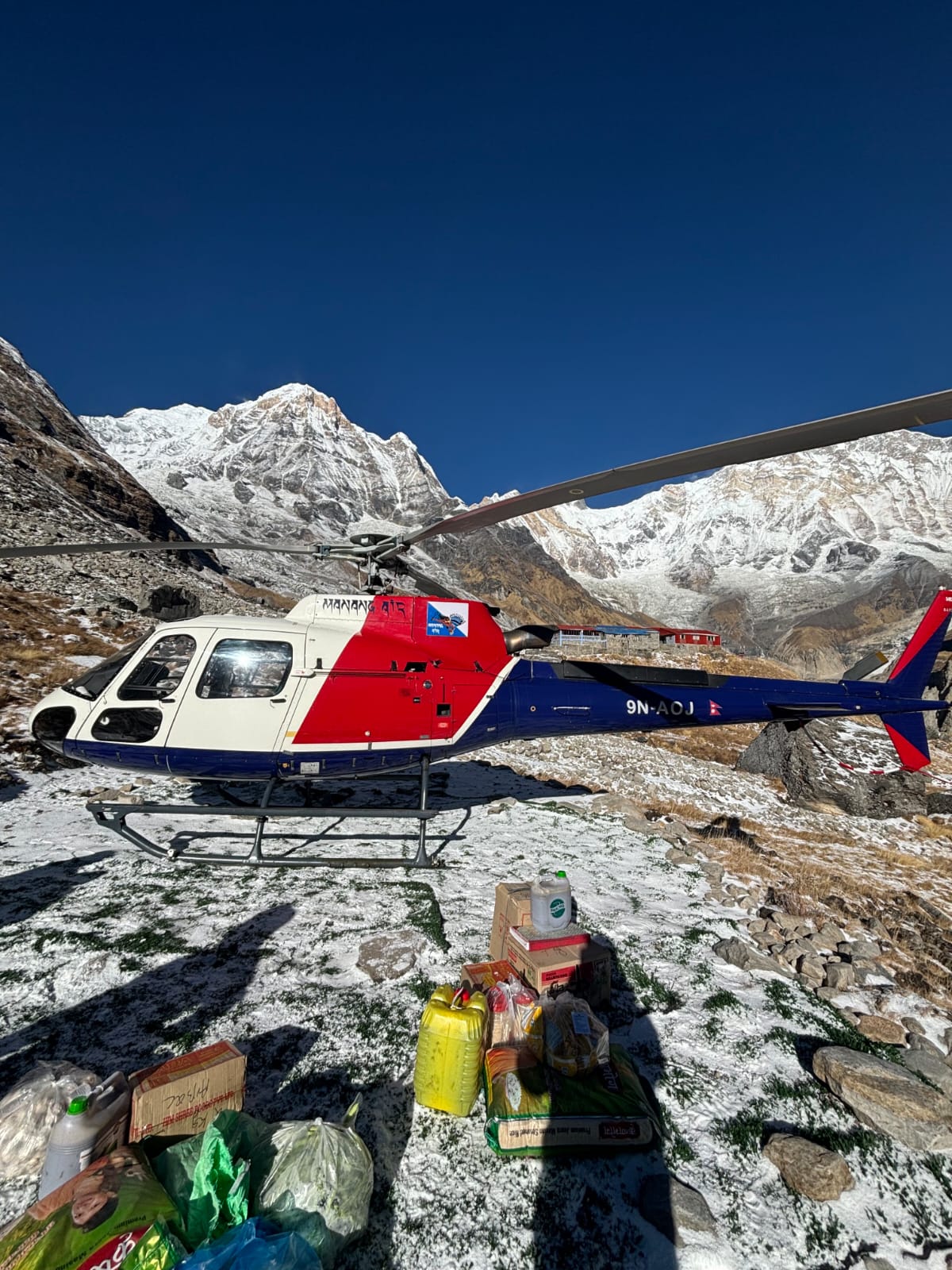
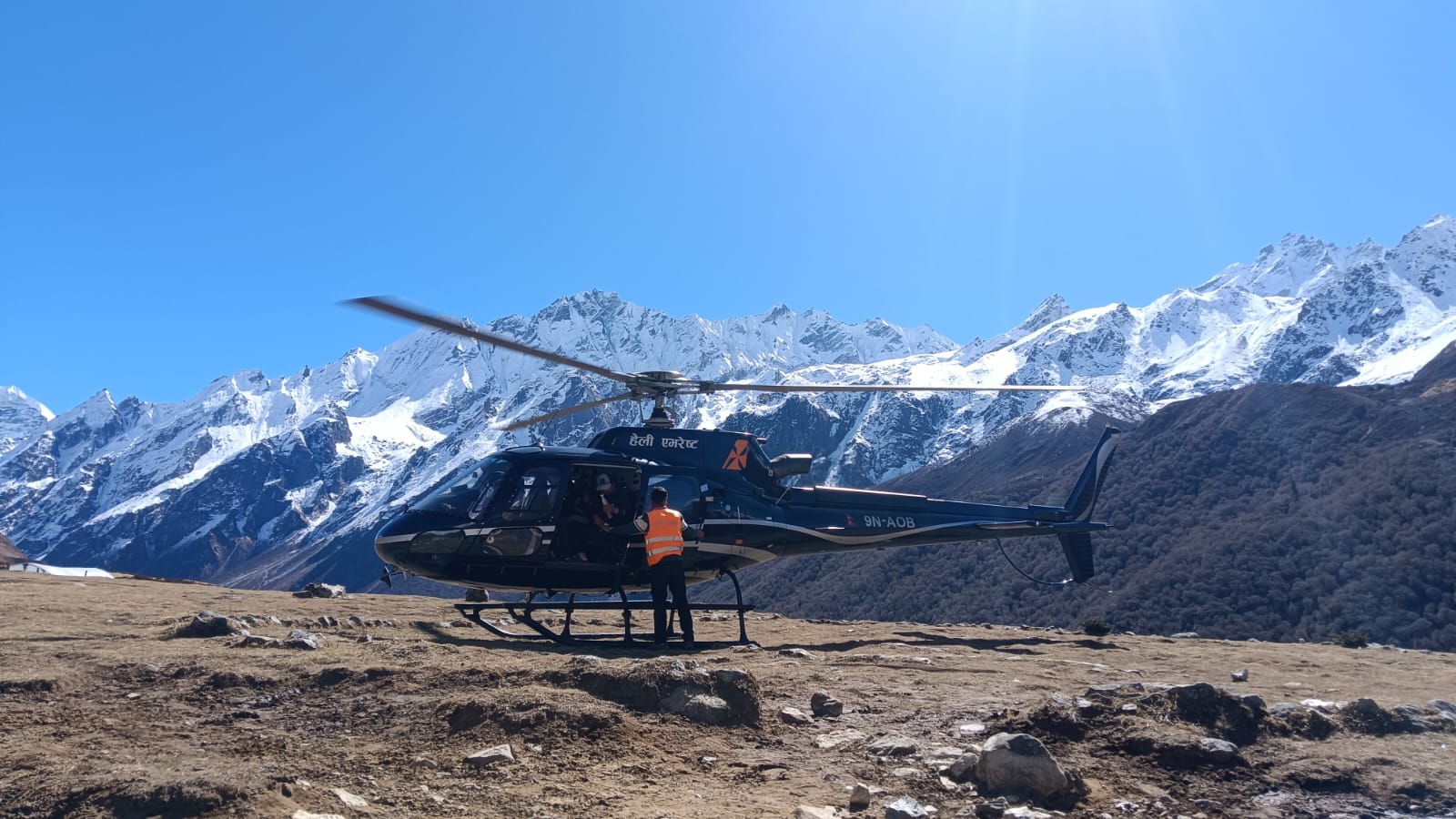
  • Helicopter evacuation may be necessary
  • Medical facilities are limited in mountain areas

What Your Insurance Must Cover

Minimum Requirements: ✓ Emergency evacuation by helicopter from 6,000m minimum ✓ Medical treatment in Nepal ✓ Repatriation to your home country ✓ Trip cancellation/interruption ✓ Lost or stolen belongings
Recommended Addition: ✓ Adventure activities/trekking specifically mentioned ✓ Natural disaster coverage (earthquakes, landslides)

Verification

We require proof of adequate insurance before trek departure. Many trekkers use:

  • World Nomads
  • True Traveller
  • Austrian Alpine Club
  • BMC Travel Insurance
  • Global Rescue

Important: Read your policy carefully. Some insurers exclude coverage above certain altitudes or for specific activities. Make sure “trekking in Nepal above 5,000m” is explicitly covered.

Emergency Protocols

In case of serious altitude sickness or injury:

  • Immediate descent to lower elevation
  • Contact insurance company’s emergency line
  • Arrange helicopter evacuation if needed
  • Himalayan Guide Treks coordinates with rescue services
  • Continuous communication with family

Helicopter Rescue Reality:

  • Can cost USD 3,000-8,000+
  • You must pay upfront or have insurance guarantee
  • Weather-dependent (may delay rescue)
  • We handle coordination, but you handle costs
  • Don’t let insurance cost deter you—it’s a small price for peace of mind in remote Himalayan regions

Don’t let insurance cost deter you—it’s a small price for peace of mind in remote Himalayan regions.

Safety Measures

Your safety is our absolute priority at Himalayan Guide Treks.

Before the Trek

Health Screening:

  • Pre-trek briefing covering altitude sickness
  • Discussion of medical history and concerns
  • Advice on physical preparation

Preparation:

  • Detailed pre-trek information provided
  • Equipment checklist review
  • Emergency contact procedures established

During the Trek

Daily Practices:

  • Morning health checks by guides
  • Pulse oximeter readings at high altitude
  • Pace controlled for proper acclimatization
  • Regular hydration and nutrition reminders

Emergency Equipment:

  • First aid kit with comprehensive supplies
  • Oxygen cylinder available above Manang
  • Portable altitude chamber (Gamow bag) on request
  • Satellite phone or communication device
  • Emergency evacuation plans for each location

Weather Monitoring:

  • Daily weather forecasts reviewed
  • Flexible itinerary for bad weather
  • Alternative routes planned
  • Early starts on summit day to avoid afternoon storms

Thorang La Pass Safety

This is the trek’s crux, demanding special attention:

  • Early start (3-4 AM) to cross before weather deteriorates
  • Slow, steady pace to prevent exhaustion
  • Regular breaks for energy and warmth
  • Turn-around time established (if not at pass by noon, descend)
  • Guide’s decision is final – safety over summit

Communication

  • Lodges have phone service in most locations
  • Mobile networks available in many areas
  • Emergency communication devices carried by guides
  • Regular check-ins with our Kathmandu office

If Something Goes Wrong

Mild Issues:

  • Rest day taken
  • Slower pace adopted
  • Extra acclimatization time

Serious Issues:

  • Immediate descent arranged
  • Porter or guide accompanies sick/injured trekker
  • Helicopter evacuation coordinated
  • Hospital treatment in Pokhara or Kathmandu

Our Track Record: In our years of operating Annapurna Circuit treks, our systematic approach and experienced guides have maintained an excellent safety record. We complete most treks without incident, but we’re always prepared for the unexpected.

Responsible & Sustainable Travel Tips

Trekking through the Annapurnas is a privilege that comes with responsibility.

Environmental Responsibility

Leave No Trace:

  • Carry out all non-biodegradable waste
  • Use refillable water bottles (avoid single-use plastic)
  • Dispose of toilet paper properly (burn or carry out)
  • Stay on established trails to prevent erosion

Energy Conservation:

  • Limit shower frequency (water is scarce at altitude)
  • Charge devices efficiently
  • Turn off lights when not needed
  • Use solar-charged devices when possible

Wildlife Protection:

  • Observe animals from distance
  • Don’t feed wildlife
  • Respect the Annapurna Conservation Area regulations

Cultural Respect

Buddhist Sites:

  • Walk clockwise around stupas and mani walls
  • Ask permission before entering monasteries
  • Dress modestly (cover shoulders and knees)
  • Remove shoes when required
  • Don’t touch religious objects without permission

Photography:

  • Always ask before photographing people
  • Respect when someone declines
  • Be especially sensitive in religious sites

Local Interaction:

  • Learn basic Nepali greetings
  • Support local businesses
  • Respect local customs and traditions
  • Be patient and understanding

Economic Impact

Support Local Communities:

  • Buy snacks and drinks from local shops
  • Purchase handicrafts directly from artisans
  • Eat at local teahouses
  • Tip fairly (we provide tipping guidelines)

Fair Treatment:

  • We pay porters fairly and ensure good working conditions
  • Lodge stays support local families
  • Your trek fees contribute to community development

Water Safety

  • Use water purification tablets or filters
  • Boiled water available at lodges (small fee)
  • Avoid using plastic bottles
  • Hot lemon tea is safe and helps acclimatization

Why Choose Himalayan Guide Treks Pvt. Ltd.

We’re not just another trekking company—we’re your partners in creating the Himalayan adventure of a lifetime.

Local Expertise, Global Standards

Deeply Rooted in Nepal:

  • Founded and operated by Nepali mountain professionals
  • Guides from Himalayan communities with generational knowledge
  • Personal connections throughout the Annapurna region
  • Understanding of local culture, customs, and languages

International Best Practices:

  • Safety protocols meeting international standards
  • Professional guide training and certification
  • Modern emergency equipment and procedures
  • Responsive customer service

Personalized Experience

Flexible and Customizable:

  • Adapt itinerary to your fitness level and interests
  • Extend or shorten trek based on your schedule
  • Add extra acclimatization days if needed
  • Combine with other Nepal adventures

Small Group Focus:

  • Maximum group size of 12 trekkers
  • Personal attention from guides
  • Better lodge accommodation availability
  • More authentic cultural interactions

Safety First Philosophy

Comprehensive Safety Approach:

  • Guides trained in wilderness first aid and altitude illness
  • Oximeters and first aid kits carried
  • Emergency evacuation plans at every stage
  • Regular health monitoring
  • Conservative acclimatization schedule

Proven Track Record:

  • Years of successful Annapurna Circuit operations
  • Zero-incident safety record
  • Excellent client feedback and reviews
  • Professional liability insurance

Ethical Operations

Fair Treatment Guaranteed:

  • Porters receive fair wages and proper gear
  • Insurance coverage for all staff
  • Rest days and reasonable working conditions
  • No exploitation—ethical tourism matters

Environmental Commitment:

  • Leave No Trace principles followed
  • Minimal plastic use encouraged
  • Support for conservation initiatives
  • Sustainable trekking practices

Transparent Pricing

No Hidden Costs:

  • Clear breakdown of what’s included
  • Honest advice on additional expenses
  • No surprise fees or demands
  • Value for money guaranteed

What You Get:

Experienced, licensed guides
All permits and paperwork handled
Quality lodge accommodations
Transportation as per itinerary
Emergency support and communication
Pre and post-trek support

Before, During, and After

Pre-Trek Support:

  • Detailed pre-trip information
  • Packing advice and gear rental guidance
  • Airport pickup and hotel arrangements
  • Trek briefing in Kathmandu

During Trek:

  • Daily guidance and support
  • Cultural insights and education
  • Photography assistance
  • Flexible to your needs

Post-Trek:

  • Airport transfer
  • Certificate of completion
  • Photo sharing
  • Stay-connected support

Real Reviews, Real Results

Our trekkers consistently highlight:

  • Knowledgeable, friendly guides
  • Well-organized logistics
  • Safety and professionalism
  • Value for investment
  • Memorable experiences beyond expectations

Join Our Trekking Family: When you trek with Himalayan Guide Treks, you’re not just a client—you become part of our trekking family. Many of our clients return for other adventures or send their friends. That’s the trust we’ve built.

Ready to Trek the Annapurna Circuit?

The Annapurna Circuit with Thorang La Pass isn’t just a trek—it’s a transformative journey through some of the world’s most spectacular mountain landscapes, warm-hearted communities, and diverse cultures. From the moment you step onto the trail until you celebrate in Pokhara, every day brings new wonders.
At Himalayan Guide Treks Pvt. Ltd., we’ve guided hundreds of trekkers safely around this magnificent circuit. Our local expertise, commitment to safety, and passion for sharing our mountains ensure you’ll have the adventure of a lifetime.

Whether you’re walking through rhododendron forests, sharing tea with Manang villagers, standing atop Thorang La Pass, or soaking in Tatopani’s hot springs, you’ll understand why the Annapurna Circuit remains one of the world’s greatest treks.

Contact us today to start planning your Annapurna adventure. Your Himalayan journey awaits.

Himalayan Guide Treks Pvt. Ltd. – Your trusted partner for authentic, safe, and unforgettable Nepal trekking experiences.

Itinerary

If you want tailor-made trip or want to personalize this itinerary, just feel free to contact us. We are always there to help you to make your holiday plan. Contact us

Day 01

Arrival in Kathmandu (1,400m)

Day 02

Drive from Kathmandu to Dharapani (1,965m) – 7/8 Hours

Day 03

Trek from Dharapani to Chame (2,610m) – 6/7 Hours

Day 04

Trek from Chame to Upper Pisang (3,300m) – 5/6 Hours

Day 05

Trek from Upper Pisang to Manang (3,550m) – 6/7 Hours

Day 06

Acclimatization Day in Manang (3,550m)

Day 07

Trek from Manang to Yak Kharka (3,900m) – 5 Hours

Day 08

Trek from Yak Kharka to Thorong Phedi (4,530m) – 4/5 Hours

Day 09

Cross Thorong La Pass (5,416m) and Trek to Muktinath (3,760m) – 6/7 Hours

Day 10

Trek from Muktinath to Jomsom (2,720m) – 5/6 Hours

Day 11

Fly or Drive from Jomsom to Pokhara – 6/7 Hours

Inclusions

What's included

  • Airport pick-up and drop-off for both international and domestic flights
  • Hotel accommodation in Kathmandu and Pokhara, including breakfast
  • Experienced English-speaking trekking guide
  • Full board meals and teahouse accommodation during the trek
  • Transportation as per itinerary: Kathmandu to Besisahar by bus, Besisahar to Dharapani by Private jeep, Muktinath to Pokhara , and Pokhara to Kathmandu by Private Jeep
  • All necessary trekking permits (Annapurna Conservation Area Entry Fee and TIMS Card)
  • Guide and porter insurance, including food and accommodation
  • Basic medical kit
  • Farewell dinner
  • All required documentation and government taxes
  • Himalayan Guide Treks T-shirt

What's not included

  • International airfare
  • Nepal travel visa fee
  • Personal medical and travel insurance (must cover helicopter evacuation)
  • Tips for guide, porter, and driver
  • Personal trekking gear and equipment
  • Personal bills and expenses
  • Lunch and dinner in Kathmandu and Pokhara
  • All beverages (soft drinks, tea, coffee, alcohol, etc.)
  • Any items not listed in the inclusions

Frequently Asked Questions

1. How fit do I need to be for the Annapurna Circuit

You should be in good overall fitness with the ability to walk 5-7 hours daily for consecutive days. Regular cardiovascular exercise (hiking, jogging, cycling) for 3-4 months before the trek is ideal. You don't need to be an athlete, but stronger fitness makes the experience more enjoyable. If you can comfortably hike 4-5 hours with a light pack, you're likely ready.

2. What about altitude sickness? How serious is the risk?

Altitude sickness is a real concern when crossing Thorang La at 5,416m. However, our itinerary is designed for proper acclimatization with gradual altitude gain and a crucial rest day in Manang. Most trekkers experience minor symptoms like slight headaches, which are normal. Serious altitude sickness is rare with proper acclimatization, hydration, and listening to your body. Our guides monitor everyone daily and know when to descend if needed.

3. Can I do this trek solo or do I need a group?

Nepal allows independent trekking on the Annapurna Circuit, but we strongly recommend going with a guide, especially for first-time high-altitude trekkers. Benefits include safety support, navigation, cultural insights, better lodge availability, and emergency assistance. You can join one of our scheduled group departures or book a private trek with just your own group.

4. What if I can't make it over Thorang La Pass?

If weather is dangerous or you're experiencing altitude sickness, safety comes first—we don't cross. Alternative options include waiting a day for weather improvement, taking the shorter route via Jomsom (skipping Thorang La), or arranging transportation. Our guides make these decisions based on conditions and your health. Don't worry—your wellbeing matters more than reaching the pass.

5. How reliable is WiFi and phone service?

Most lodges offer WiFi for 300-500 NPR per day, but speeds are slow and reliability decreases with altitude. Phone service (NTC network) is available in most villages, but can be intermittent. We recommend purchasing a local SIM card in Kathmandu and informing family you'll have limited connectivity. Embrace the digital detox—it's part of the mountain experience!

6. What about charging electronics?

Charging stations are available at all lodges for 200-500 NPR per device per charge (prices increase with altitude). Bring a power bank to reduce charging frequency. Solar panels power many lodges, so charging during sunny hours is most reliable. Bring extra camera batteries as cold temperatures drain them quickly.

7. Can I get hot showers on the trek?

Yes, but availability and quality vary. Lower elevations offer bucket hot showers or sometimes even shower rooms with heaters (200-500 NPR). At higher elevations, hot water is precious and expensive (up to 1,000 NPR at Thorang High Camp). We recommend showering every 2-3 days rather than daily to conserve resources and respect local water scarcity.

8. What currency should I bring and how much?

Bring Nepali Rupees (NPR) in cash. ATMs in Kathmandu and Pokhara are reliable, but no ATMs exist on the circuit after Besisahar (some lodges in Manang and Jomsom have limited facilities). Budget approximately USD 25-35 per day for meals, drinks, WiFi, charging, and snacks. Credit cards aren't accepted on the trail.

9. Can vegetarians/vegans eat well on this trek?

Absolutely! Nepal has excellent vegetarian food, and dal bhat (the trekking staple) is vegetarian. Menus include vegetable curries, noodle dishes, pasta, soups, and more. Vegan options are available though more limited at higher elevations. Inform our guides of dietary requirements, and we'll communicate with lodges in advance.

10. What if weather delays or prevents completing the circuit?

The Annapurna region can experience weather that delays or alters plans, especially during winter. If Thorang La is impassable due to heavy snow, options include waiting (if time permits), taking the Jomsom route (shorter circuit), or arranging vehicle transport. We build flexibility into itineraries and always have backup plans. Travel insurance should cover trip interruptions due to weather.

11. How does the toilet situation work?

Most lodges have basic flush or squat toilets (shared facilities). Lower elevations have Western-style toilets more commonly. At higher elevations, expect squat toilets and remember that water is scarce. Toilet paper isn't always provided—bring your own and a lighter to burn it properly. Hand sanitizer is essential.

12. Is drinking alcohol okay at high altitude?

We strongly advise against alcohol above 3,000 meters. Alcohol dehydrates you, interferes with acclimatization, and can mask altitude sickness symptoms. Save the celebration drinks for Kathmandu or Pokhara after successfully completing your trek. Stay hydrated with water, tea, and hot lemon instead.